





Featured videos
 FEATURED
PREMIUM
FEATURED
PREMIUM
Emmy-nominated Doni Glover Show: Melvin Wilson, LaRian Finney, Dr. Alvin Hathaway
The Emmy-nominated Doni Glover Show returns with its second exclusive BMORENews.com Premium episode, featuring three guests making a difference in Baltimore. Melvin Wilson discusses Turnaround Tuesday and its…




LATEST NEWS
 ★ Featured
Deadline to Request a Mail-in Ballot is Approaching
ANNAPOLIS (October 14, 2026) — The Maryland State Board of Elections (SBE) reminds voters that the deadline to request a mail-in ballot for the 2026 Gubernatorial General Election…
 By Doni Glover



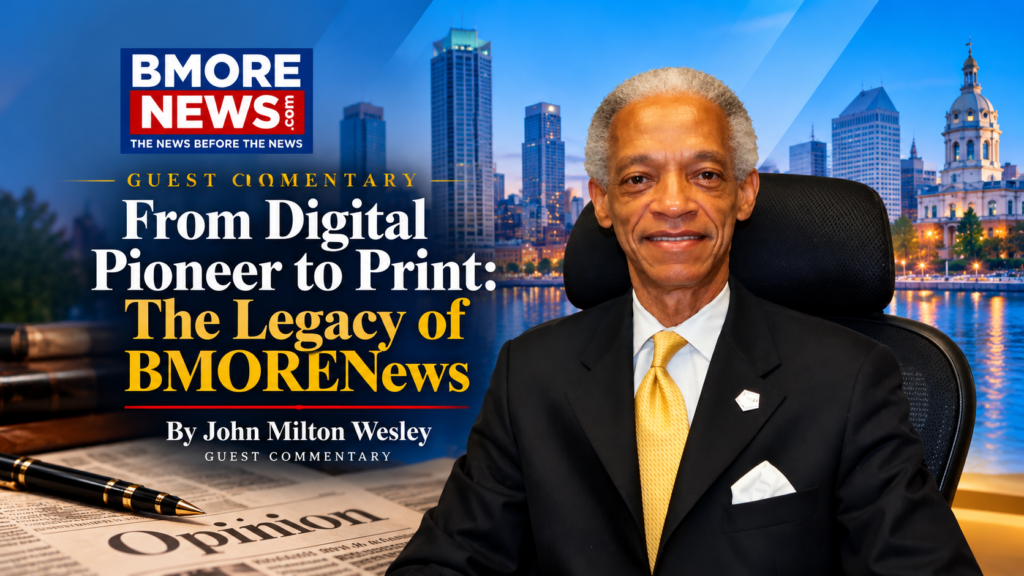
As BMORENews.com expands from digital journalism into statewide print publishing, its journey reflects the enduring importance of independent Black media. Guest Commentary (BALTIMORE – October 10, 2026) — In August 2002, Donald Morton “Doni” Glover launched BMORENews.com with a vision: to create an independent news platform that would amplify stories, voices, and perspectives too often overlooked by mainstream media. More than 24 years later, that vision continues to evolve. What began as a Baltimore-based digital news operation has grown into a multimedia enterprise spanning online journalism, radio, television, interviews, special events, and community recognition programs. Now BMORENews.com has taken another significant step: expanding into print and bringing its reporting directly into Maryland neighborhoods and communities. The move represents more than the introduction of another newspaper. It continues a commitment to Black journalism, economic empowerment, political accountability, and preserving community history. A Digital Pioneer With a Community Mission BMORENews.com emerged when digital journalism was still developing, and traditional newspapers dominated local news coverage. Glover recognized that the internet gave independent publishers a chance to reach audiences without relying entirely on established media institutions. The publication adopted a motto that continues to define its editorial identity: “THE NEWS BEFORE THE NEWS.” Over the years, BMORENews.com has covered political campaigns, elections, entrepreneurship, education, criminal justice, community development, and the accomplishments of Black leaders. Its reporting has spanned Baltimore neighborhoods, Annapolis, Washington, D.C., and beyond. Glover brought considerable media experience to the enterprise, having worked across print, radio, television, and digital journalism. His understanding of these platforms helped shape a publication that could adapt as audiences changed how they consumed news. Yet its fundamental mission remained consistent: providing a platform for people and communities whose experiences deserve greater public attention. Black Wall Street and Economic Empowerment Among Glover’s most recognizable initiatives are the Joe Manns Black Wall Street Awards. Established in 2011, the awards celebrate entrepreneurs, professionals, community advocates, and other individuals whose work strengthens Black communities. Over 15 years, the initiative has expanded to nine cities and recognized more than 3,000 individuals. The awards reflect a central principle of Glover’s work: economic development and community recognition are essential components of empowerment. Rather than focusing exclusively on problems, BMORENews.com has sustained efforts to document achievement, leadership, and the contributions of people who build businesses and institutions. That approach has helped establish the publication as both a news outlet and a community institution. The Return to Print The introduction of a printed BMORENews.com newspaper is particularly noteworthy as many traditional newspapers reduce circulation, cut staff, or abandon print altogether. BMORENews.com is doing the opposite. Unlike newspapers that began in print and later developed digital platforms, BMORENews.com was born online and is now extending its reach through a physical publication. The newspaper creates opportunities to connect with readers in bookstores, restaurants, churches, community centers, businesses, and other gathering places. It also introduces the publication to audiences who may not regularly encounter its reporting through websites or social media. The print edition complements the existing digital operation rather…




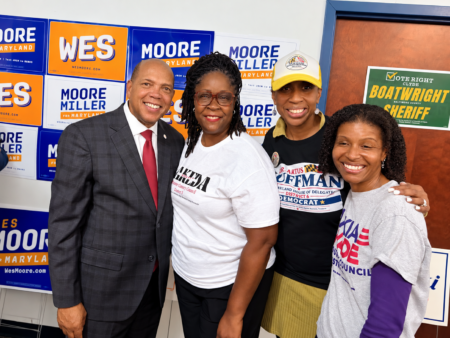
Makeda Scott, Sharonda Dillard-Huffman and Arkia Wade seek seats on a County Council that has never included a Black woman.…
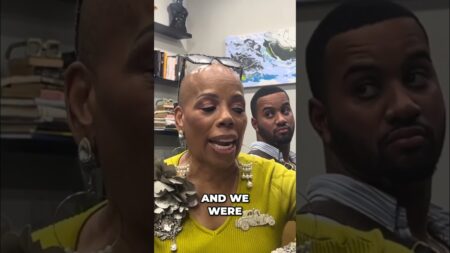
Symbolie Monique Smith speaks on Baltimore City’s premier underground utility firm. #bmorenews Welcome to Doni Glover … Watch full video…

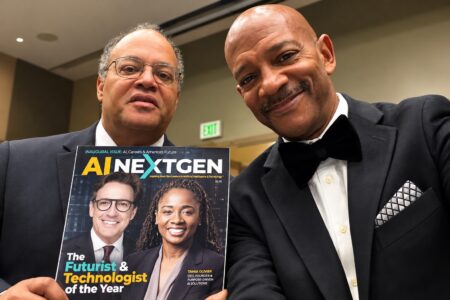
(BALTIMORE – October 12, 2026) – I am a Black man, and I want the Black community to participate in the adoption of artificial intelligence.…











Politics























More News





Featured Videos

Walter Plecker, Virginia’s registrar of vital statistics, helped promote and enforce the Racial Integrity Act of 1924. He pressured … Watch full video on YouTube






Former Maryland aviation leader joins regional leaders for the ATL Airport Chamber’s annual meeting on October 30. (ATLANTA – October 11, 2026) — A familiar…


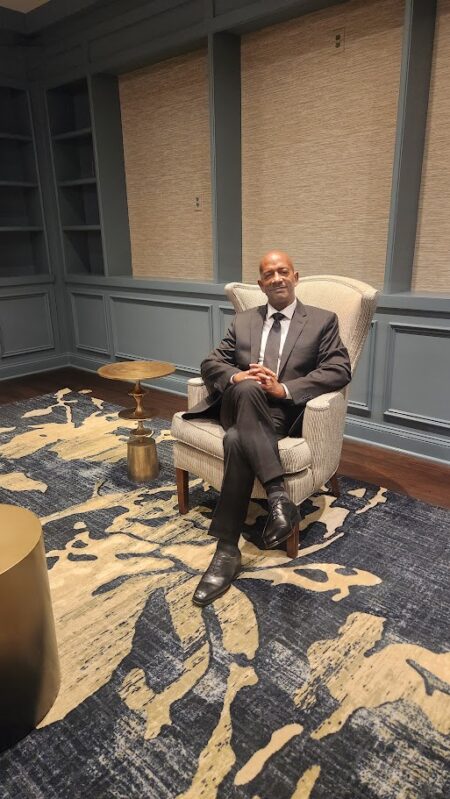







(BALTIMORE – September 29, 2026) – My journey in media began long before I knew it would become my life’s work. At Matthew Henson Elementary…




(BALTIMORE – September 25, 2026) – I was minding my own business when I got word about the leadership of Baltimore’s…

A business-school assignment sent me around the world examining artificial intelligence, quantum computing, semiconductors, and data centers. It brought me…

(BALTIMORE) — I have met a lot of entrepreneurs in my 61 years. I have…

Honored Saturday, the Coppin State Athletics Hall of Famer and educator has a legacy that…
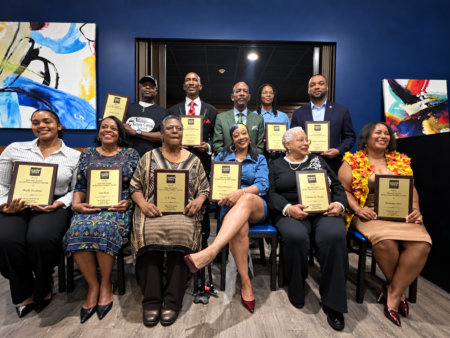
(BALTIMORE – October 1, 2026) — I cannot speak for anyone else, but for me,…

(BALTIMORE – September 30, 2026) – Saturday’s Black Wall Street Expo was riddled with rain.…
Trending News
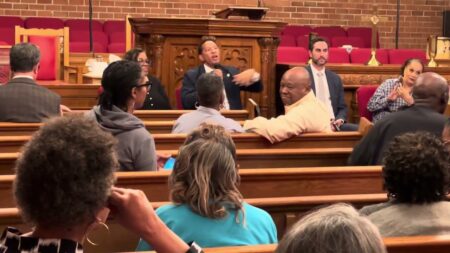

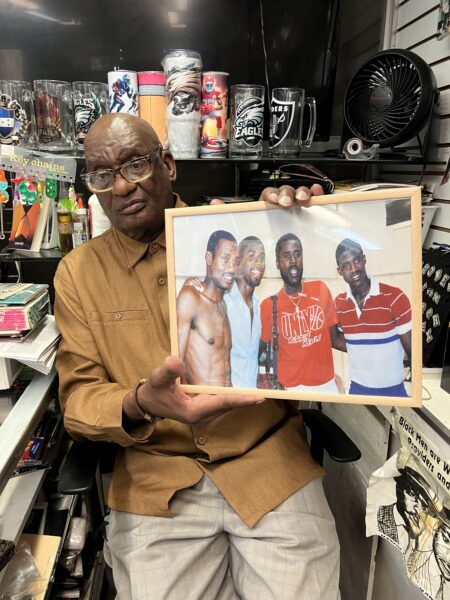



First-ever print edition expected by September 24 as BMORENews.com launches its premium section with interviews featuring KSAL Empire and Nicole Earle (BALTIMORE – September 16, 2025) — We are proud—and…






Discover how Turnaround Tuesday achieves over 70% retention for participants in anchor institutions. We focus on soft skills and … Watch full video on YouTube

Rasul is the 4th inductee in the BNBL Hall of Fame as Pat McKinley. Watch full video on YouTube
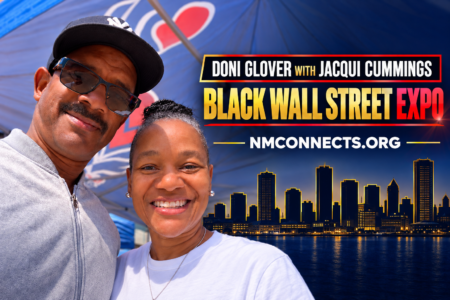
JACQUI CUMMINGS: This visionary entrepreneur shares her passion for empowering Black-owned businesses. Discover her … Watch full video on YouTube
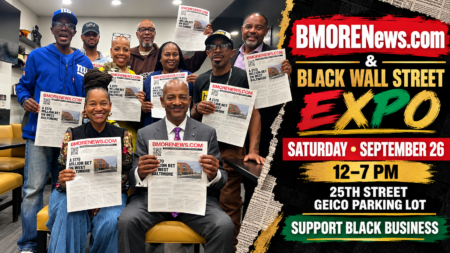
BMORENews.com/Black Wall Street 25th Street Press Conference at The Chill Spot: Symbolie Monique Smith #iamtheancestor … Watch full video on YouTube
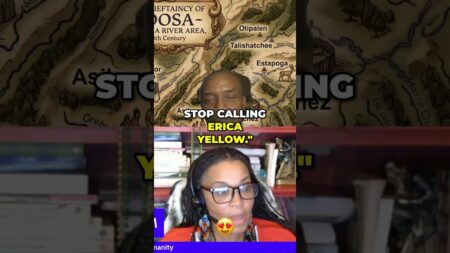
Explore a personal journey of identity through childhood memories and family history. Discover how perceptions of color shaped … Watch full video on YouTube

Updates on Bmorenews.com and AINextGen. Watch full video on YouTube
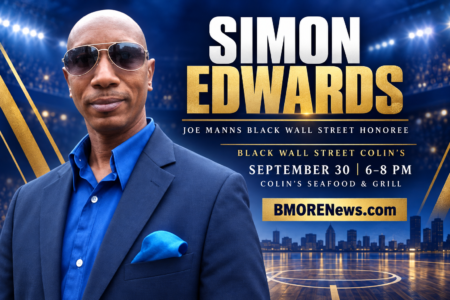
Baltimore Basketball Leader to Receive Joe Manns Black Wall Street Award (BALTIMORE – September 21, 2026) — Simon Edwards, a Baltimore-born former Division I basketball player, coach, motivational speaker and community leader, will be honored at Black Wall Street COLIN’S on Wednesday, September 30, 2026, from 6 to 8 p.m. at Colin’s Seafood & Grill. Edwards’ basketball journey began in Baltimore, where he learned the game at the historic Bentalou Recreation Center under the mentorship of Coach Herman. He also credits “Mr. Bill” at Cloverdale with helping shape his development. After attending Towson Catholic High School, Edwards continued his career…
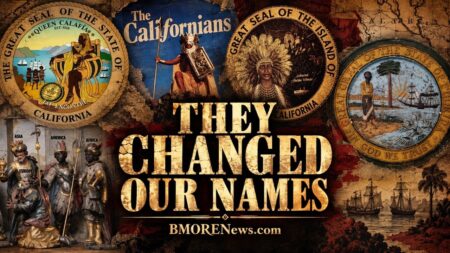
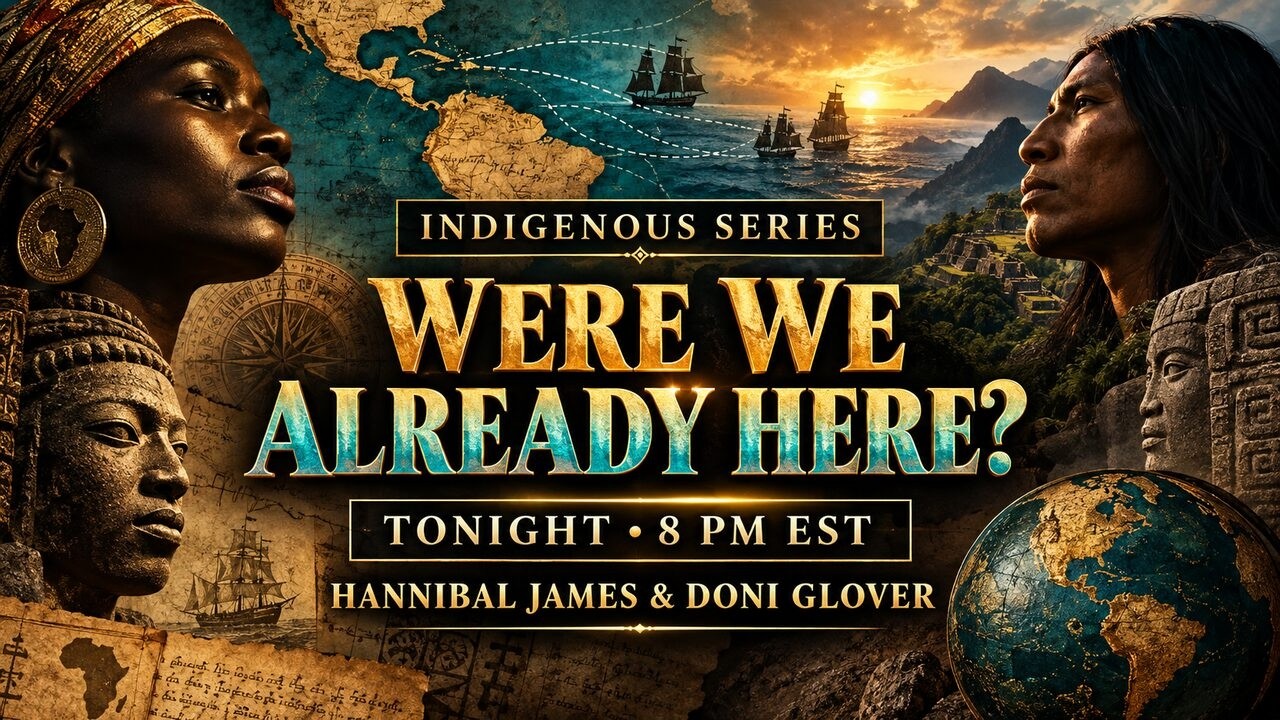
For generations, Indigenous people throughout America were reclassified, renamed and written out of history. Families were told … Watch full video on YouTube

Welcome to Doni Glover Media — Powered by BMORENews.com BMORENews.com and BlackUSA.News form a multi-platform … Watch full video on YouTube

See the FULL INTERVIEW on BMORENews.com in the Premium section. Welcome to Doni Glover Media — Powered by … Watch full video on YouTube
Recommended