







Featured videos
FEATURED
PREMIUM
Emmy-nominated Doni Glover Show: Melvin Wilson, LaRian Finney, Dr. Alvin Hathaway
The Emmy-nominated Doni Glover Show returns with its second exclusive BMORENews.com Premium episode, featuring three guests making a difference in Baltimore. Melvin Wilson discusses Turnaround Tuesday and its…




LATEST NEWS
 ★ Featured
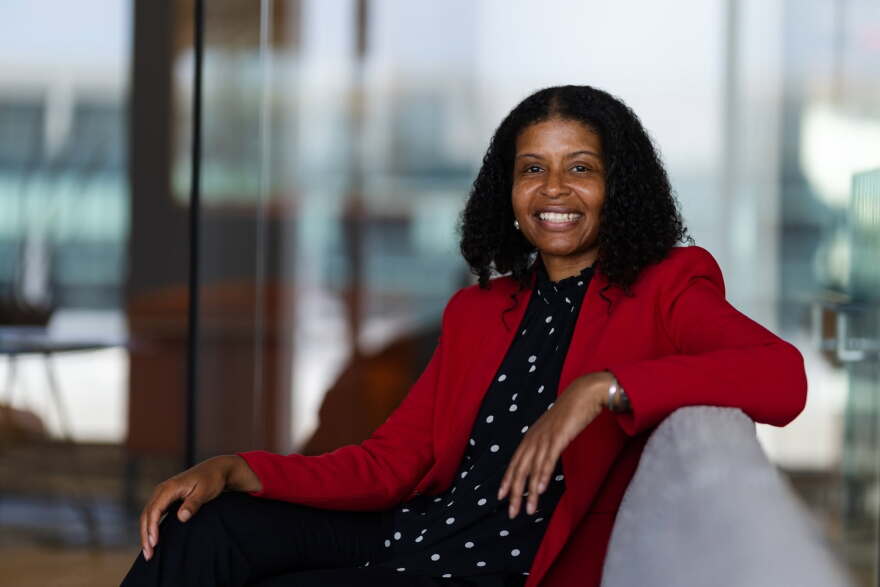
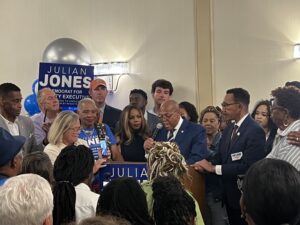
Full Circle: Arkia Wade Seeks to Serve the Dundalk Community Her Family Calls Home
(TURNER STATION – October 8, 2026) – For Arkia Wade, representing Baltimore County’s new District 9 is about more than winning an election. It is about making sure…
 By Marsha Jews


Latest Updates
See all updates
Discover the ‘magic’ of collaboration and bold leadership transforming this city. See how redevelopment and community … Watch full video on YouTube





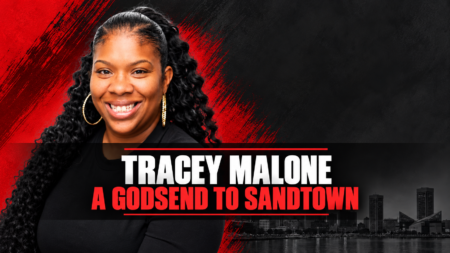
The Sandtown-Winchester community leader joins Elev8 Baltimore as Director of ENOUGH@21217 and West Baltimore Engagement. (BALTIMORE – September 28, 2026)…

See FULL INTERVIEW at BMORENEWS.COM, Premium section. Welcome to Doni Glover Media — Powered by … Watch full video on…

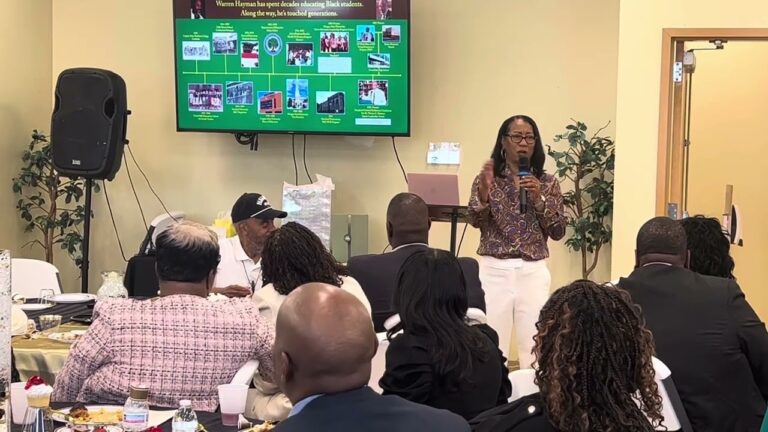
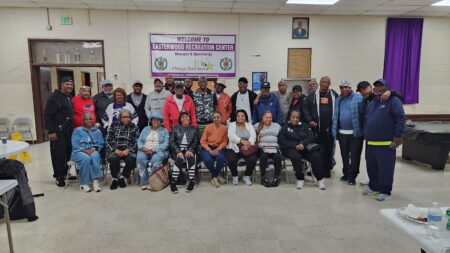
(BALTIMORE – September 25, 2026) – Before Easterwood Park became our playground, somebody had to fight for Black children to use it. The park existed…









Politics




















More News




Featured Videos

JACQUI CUMMINGS: This visionary entrepreneur shares her passion for empowering Black-owned businesses. Discover her … Watch full video on YouTube








(BALTIMORE – September 20, 2026) – We talk a lot about the skills required for success, but not nearly enough about the character required to…






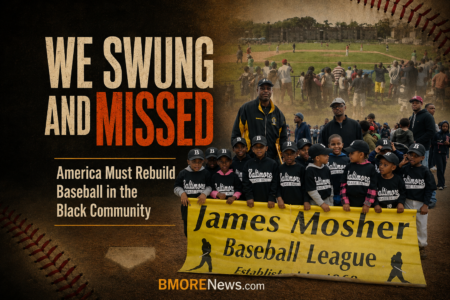

A business-school assignment sent me around the world examining artificial intelligence, quantum computing, semiconductors, and data centers. It brought me home convinced that Maryland—and the…
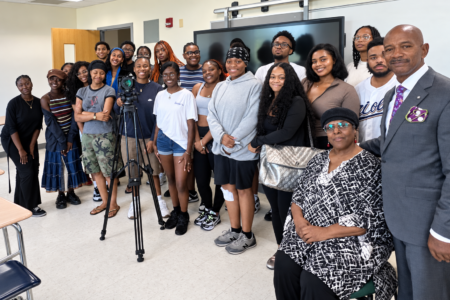





(BALTIMORE – August 22, 2026) – I once sat across from the man who directed Project Blue Book—the United States…

For 24 years, BMORENews.com’s Six-Point News Agenda has guided its coverage of Black Baltimore. The mission—and the question—remain the same:…
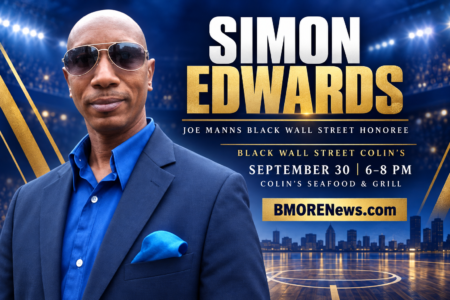
Baltimore Basketball Leader to Receive Joe Manns Black Wall Street Award (BALTIMORE – September 21,…

(BALTIMORE – September 18, 2026) — Jacqui Cummings is at it again. For nearly two…

Career Communications Group recognizes leaders shaping the future of artificial intelligence, technology, education, industry and…
Great people, food, and basketball. Watch full video on YouTube
Trending News




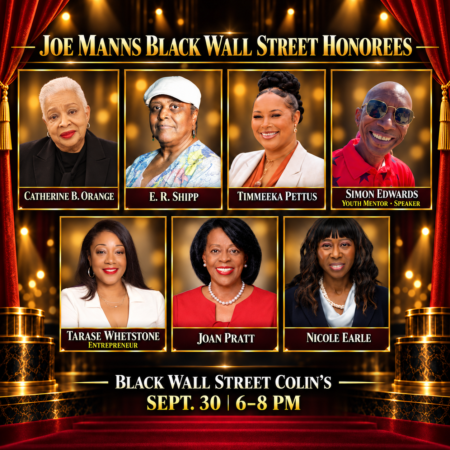

Lift your voice and celebrate the history of Gospel!From 3–4 PM, the Voices of History Street Fair will feature a special Gospel Hour, celebrating the music, history, and traditions of…




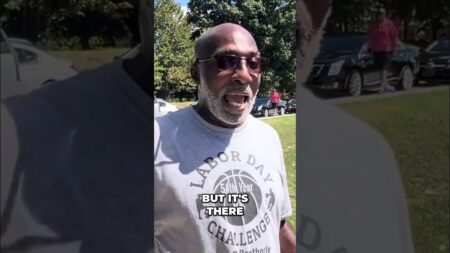


From Eastern Shore crab pickers and Baltimore ship caulkers to Raymond Haysbert, Otis Warren, and my mother’s three rules (BALTIMORE — Labor Day 2026) — America. North America, specifically. The East Coast. The Mid-Atlantic. More specifically, travel up the Chesapeake Bay, and you will find a city of firsts. It is the place many of us call home. New York City has pizza. Philadelphia has cheesesteaks. Baltimore has crab cakes loaded with jumbo lump, lightly breaded, with a dash of yellow mustard and two crackers on the side. Mmph. Watch your mouf! I can smell a skillet with about five…
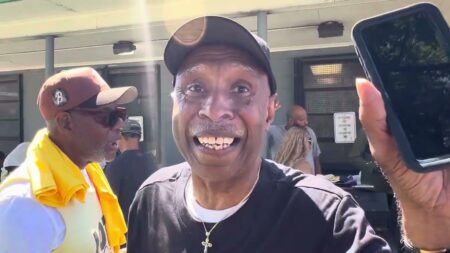
Meet the legends of Baltimore basketball at Cloverdale. #bmorenews. Watch full video on YouTube

BASKETBALL GOSPEL ACCORDING TO DICKIE KELLY The Dunbar great, playground scoring machine, and Baltimore Bullets draft pick remembers the long road from Turner Station to the edge of the NBA (BALTIMORE – September 6, 2026) — Before there was Skip, there was Dickie. That is not meant to diminish the greatness of Skip Wise, one of the most celebrated basketball players ever produced by Baltimore. It is a reminder that this city’s basketball history did not begin with the names most people remember. Long before Skip electrified crowds at Dunbar High School, Dickie Kelly was already giving Baltimore basketball fans…

What happens when the government changes your racial identity on paper—and generations later, your descendants are left … Watch full video on YouTube

I’m a mom of three who’s watched grocery prices keep rising. Georgia can do something about it. (DULUTH, GA – September 5, 2026) – If you do the grocery shopping in your home, you know exactly how it feels when everything adds up at the checkout line, even when you’re buying less. I’m a mom of three, and I’ve gone from shopping at Publix to shopping at Aldi. I kid you not, I even asked ChatGPT to help me build a grocery list that stretches every dollar. These prices are crazy, and hard-working families across Georgia are feeling the pinch.…

(BALTIMORE – September 5, 2026) – The 2026 HBCU football season is underway, bringing another fall filled with historic rivalries, homecoming celebrations and nationally televised classics. From the season-opening showdowns to the Bayou Classic and Celebration Bowl, BMORENews has assembled key dates, matchups, locations, and broadcast information to help fans follow the action. Compiled by BMORENews from official university and conference schedules, ESPN, HBCU GO, NCAA.com, New York Amsterdam News, HBCU Classics, and additional published listings. Updated Sept. 5, 2026. Editor’s note: Kickoff times and broadcast assignments remain subject to change. Readers should check the participating schools’ official schedules before…

(BALTIMORE) — Mark your calendars for the new date. The Historic Pennsylvania Avenue Cadillac Parade & Festival, originally scheduled for October 24, has been rescheduled for Saturday, November 21, 2026. Presented by the 1 Baltimore Foundation and BMORENews.com, this community-driven celebration will honor Baltimore’s people, history, culture, and traditions along Pennsylvania Avenue—once one of the nation’s most celebrated Black entertainment and business corridors. “This parade is a great demonstration of the culture found in Baltimore’s Black American community—a culture unlike anything else in the world,” said BMORENews.com publisher Doni Glover. “We invite the entire city to come out, experience it,…
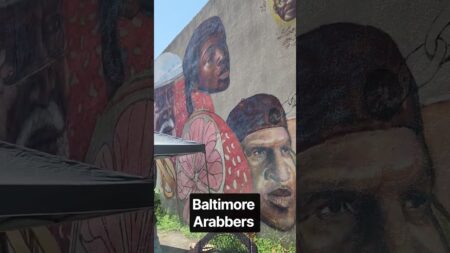
I love how the Savoy Family has continually kept the Arabber legacy in Baltimore alive. Watch full video on YouTube

(BALTIMORE – September 4, 2026) – Kaii Gilliam doesn’t fit the mold of the typical Baltimore basketball legend piece — he’s only 27, still playing, still climbing. But his path from a sixth-grader who landed in Baltimore from the Bronx to a professional point guard hoisting a championship trophy in Colombia is exactly the kind of story that belongs alongside the city’s playground legends. Finding Baltimore Gilliam wasn’t born here. He was raised in the Bronx before his family moved to Baltimore when he was in sixth grade. He attended Woodlawn Middle School — now known as Southwest Academy —…
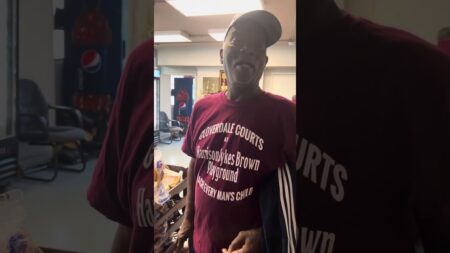
Discover an unexpected Hall of Fame inductee and a forgotten basketball legend. We delve into a surprising revelation about a … Watch full video on YouTube
Recommended