

LATEST NEWS
 ★ Featured
Coach William Wells: Baltimore Dome History | From Madison Square to Today
Uncover the rich history of Baltimore’s iconic Dome, from its Madison Square Summer League origins to its current status. Watch full video on YouTube
 By Doni Glover
Latest Updates
See all updatesBMORENews at 24 | 2002–2026 24-YEAR IMPACT & LEGACY REPORT
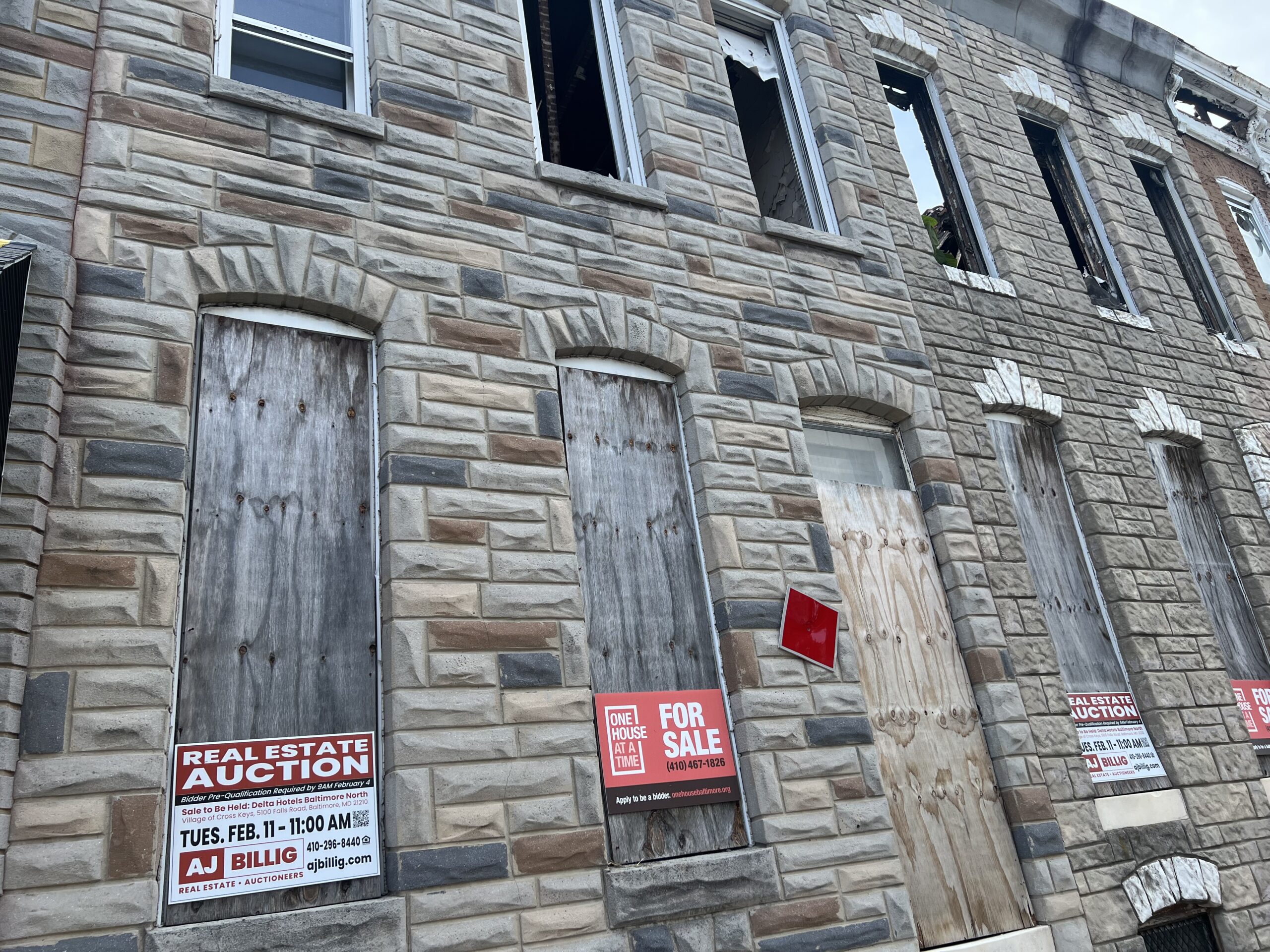
Black Wall Street Summit: Ven McCormick on Tax Sale Secrets | Why Patience is Key for Entrepreneurs
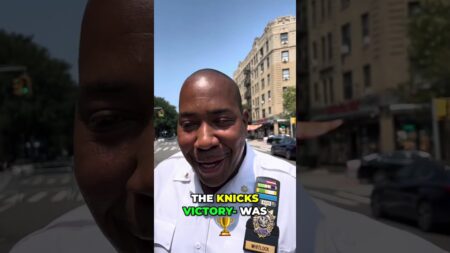
Commanding Officer Whitlock: Knicks’ Win Unites Community | Family Watch Parties, Zero Violence!
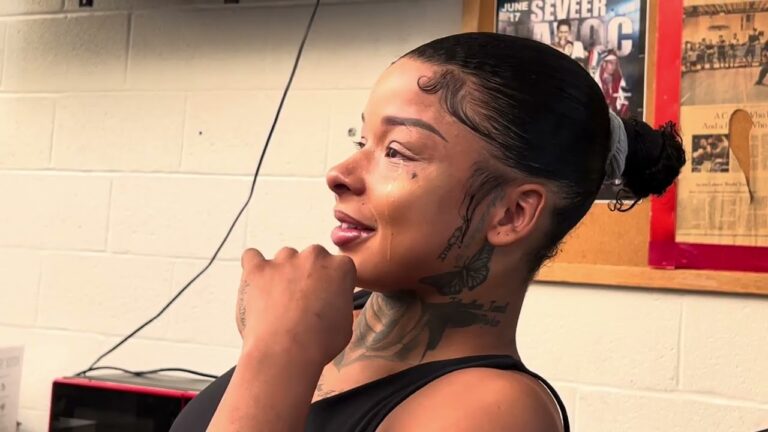
EXCLUSIVE: Chrisean Is Still Rising
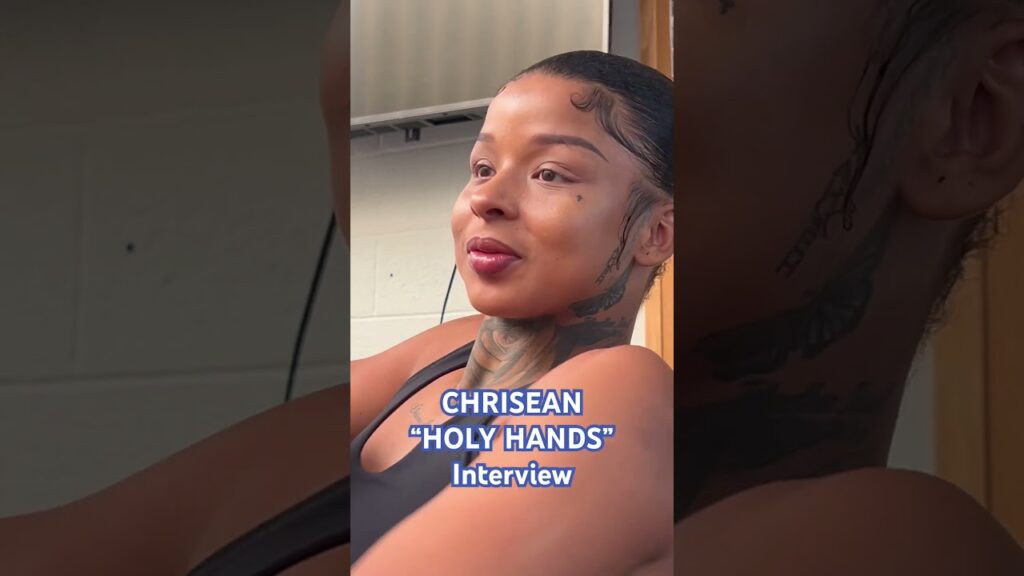
We are very proud of this young lady. Period. @ChriseanRock @notchrisean #chrisean #holyhands #afro #bmorenews. Watch full video on YouTube






(BALTIMORE – August 23, 2026) – Frederick Wright has spent much of his life getting things done. Before he became…

(BALTIMORE — August 22, 2026) – Before basketball became a business, it was a bond. It was the sound of…

TOMORROW: HEALTH AND WELLNESS EXPO 2026 Tomorrow is the day! Join us for a morning of health, wellness, education, resources, and community connection. CLICK HERE TO…






Politics


















More News




Featured Videos
Welcome to Doni Glover Media — Powered by BMORENews.com BMORENews.com and BlackUSA.News form a multi-platform … Watch full video on YouTube







New media campaign model launches with sponsorship opportunities for the December 3rd LOYALTY Black Wall Street Reunion (WOODLAWN, MD – August 19, 2026) – BMORENews.com…
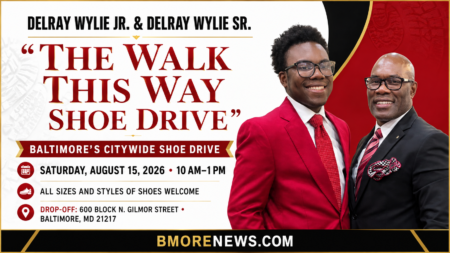





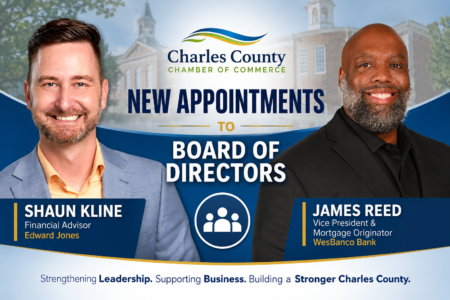



Those who have been to the darkest depths of hell can best appreciate the limitless heights of heaven. (BALTIMORE – August 15, 2026) – I stood…






“My head is bloody, but unbowed.”— William Ernest Henley, “Invictus” (WOODLAWN – July 29, 2026) – Timmy Greene doesn’t want…
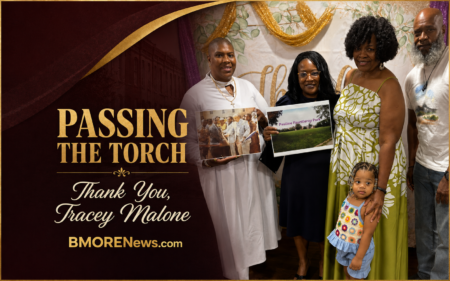
A faithful servant, a keeper of Sandtown’s history and one of Baltimore’s most dynamic community leaders (BALTIMORE – July 27,…
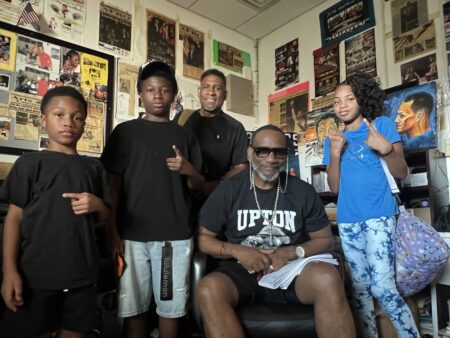
The world-renowned boxing trainer has never forgotten his roots—or the young people who still enter…

From the legendary Easter parades and Cadillac Club to the Royal Theatre, Sphinx Club, Lena…

(BALTIMORE – August 17, 2026) – There are legends. And then there are champions. Not…

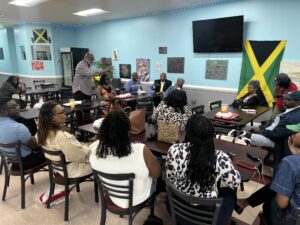
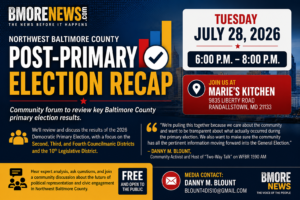
(BALTIMORE – August 17, 2026) — Baltimore City’s June 23rd primary election is over; the…
Trending News
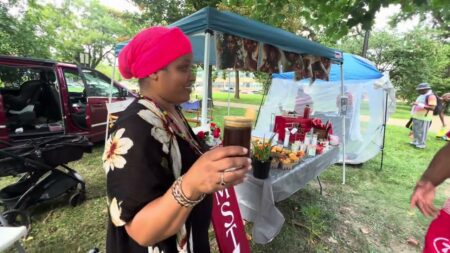
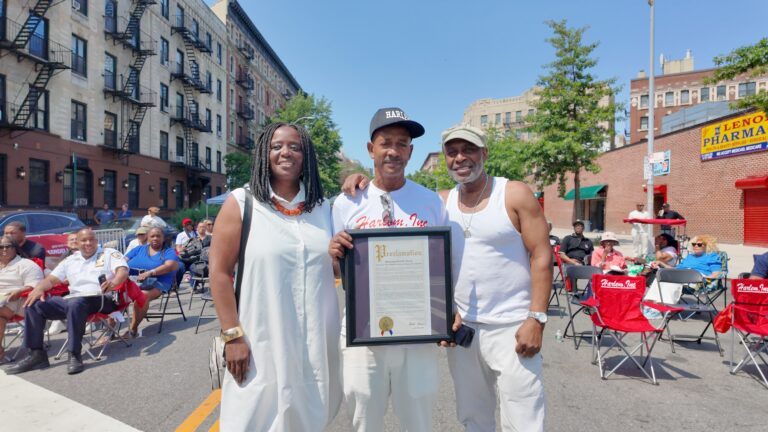
Harlem recognition celebrates more than 30 years of media, advocacy and community leadership (HARLEM, N.Y. — July 27, 2026) — New York State Senator Cordell Cleare, representing the 30th Senate…

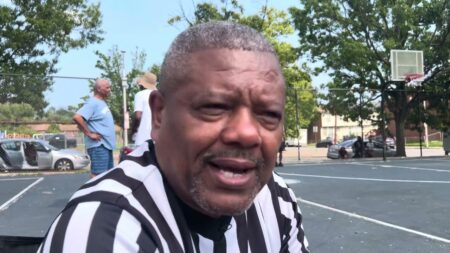

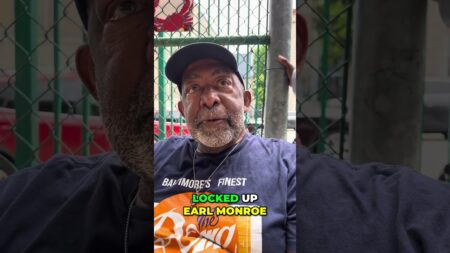



Black Wall Street WASHINGTON, DC Joe Manns Black Wall Street Awards — 15th Anniversary Homecoming Washington, D.C. | Tuesday, June 16, 2026 | 6:00 PM RSVP: blackwallstreetdc.eventbrite.com Ron Busby, Sr.: The National Voice of Black Business Black Wall Street WASHINGTON, DC Honoree | President & CEO, U.S. Black Chambers, Inc. WASHINGTON, D.C. — Some people you meet and quickly forget. And then there are those rare individuals who leave a mark every single time you cross paths. Ron Busby, Sr., is that kind of man. I first met Ron through a mutual friend, the late Mr. Michael Graham — a…

New Imam in Baltimore at historic masjid shares forward-thinking vision for the community. Joined by Rebby Bass, Imam Mustafa … Watch full video on YouTube

Rowena Nelson isn’t campaigning to be a different kind of judge. She’s campaigning to be a disciplined one. In a legal culture … Watch full video on YouTube

(BALTIMORE – May 25, 2026) – I did not watch the Netflix Kevin Hart Roast. I want to be clear about that upfront. But by all accounts — and from the few minutes of Dr. Umar Johnson’s commentary that I could stomach before turning it off — what took place on that stage on May 10 crossed a line. And I, for one, am done. I attempted to open up Netflix. I went from thinking about typing in “Kevin Hart Roast” to immediately, and gladly, canceling my subscription. That is where I am. That is where I believe many of…

BLACK WALL STREET JODY DAVIS — HONOREE FEATURE Pamela Reaves: Author, Coach, Icon — She Just Keeps Going “She doesn’t look a day over 50. I don’t know how she does it. Pamela Reaves has weathered the toughest storms, yet keeps on pushing through. We are so very proud to recognize a person who has consistently spoken life over BMORENews and the Joe Manns Black Wall Street Awards.” — Doni Glover, Founder, Joe Manns Black Wall Street Awards (BALTIMORE – May 25, 2026) — Some people talk about being iconic. Pamela Reaves just lives it. A native Baltimorean who now…

BLACK WALL STREET AWARDS | WOODLAWN | JUNE 4, 2026 For 40+ years, Randy Dennis showed up — no ego, no drama, just music, community, and joy. On June 4, Baltimore gets to say thank you. (BALTIMORE – May 25, 2026) — There is a particular kind of Baltimore person that this city produces every now and then. Not the loudest in the room. Not the one angling for the spotlight or chasing the headline. Just somebody who moves through the community with a quiet, unshakeable consistency — somebody who was there before you knew to look for them, and…

(WOODLAWN – May 25, 2026) – When your name literally means “beauty and peace,” perhaps it was always destiny. For Maeion Bryant, Founder and Lead Artist of Maeion Beauty Collective, those two words aren’t just a personal identity — they’re a business philosophy, a mentorship mission, and a way of life that has touched thousands of lives across three decades. Bryant is one of the honorees at this year’s Joe Manns Black Wall Street Awards — WOODLAWN, and few people in Baltimore’s creative and business community are more deserving of that recognition. Her career began on the West Coast, navigating the…
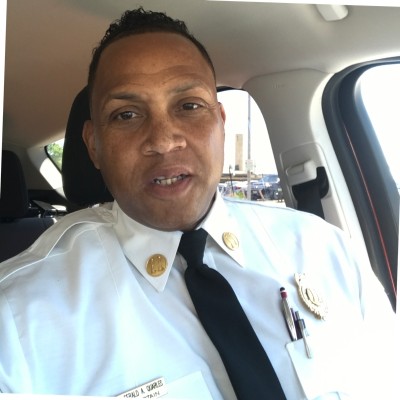
BMORENews.comJoe Manns Black Wall Street Awards — WOODLAWN (BALTIMORE – May 25, 2026) – Some people serve in uniform. Some serve from the sidelines. Some serve quietly, year after year, shaping young lives without asking for applause. Fire Captain Gerald Quarles has done all three. BMORENews.com and the Joe Manns Black Wall Street Awards are proud to honor Fire Captain Gerald Quarles of the Baltimore City Fire Department at Black Wall Street WOODLAWN, Thursday, June 4, 2026, from 6 to 8 pm at 6665 Security Boulevard. RSVP to blackwallstreetwoodlawn.eventbrite.com. I have known Gerald since the first grade. We grew up…
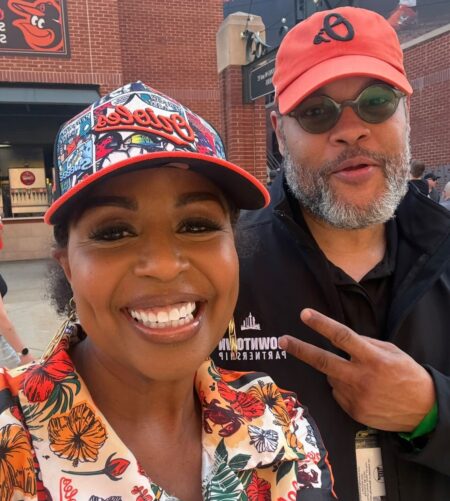
(BALTIMORE – May 24, 2026) — Few leaders in Baltimore today embody resilience, vision, and execution quite like Shelonda Stokes. On Thursday, May 28, 2026, from 6 to 8 pm at Jody Davis Designs, BMORENews.com, and the Joe Manns Black Wall Street Awards — JODY DAVIS will proudly honor Stokes for her extraordinary leadership in business, economic development, and the continued revitalization of Downtown Baltimore. The event is part of the 15th Anniversary celebration of the Joe Manns Black Wall Street Awards, which has honored more than 3,000 entrepreneurs, professionals, educators, advocates, and community leaders across nine American cities. Guests…

SABRINA TAPP-HARPER FOR SHERIFF OF BALTIMORE CITY: Discover the qualities needed for a strong sheriff’s office leader. Watch full video on YouTube
Recommended