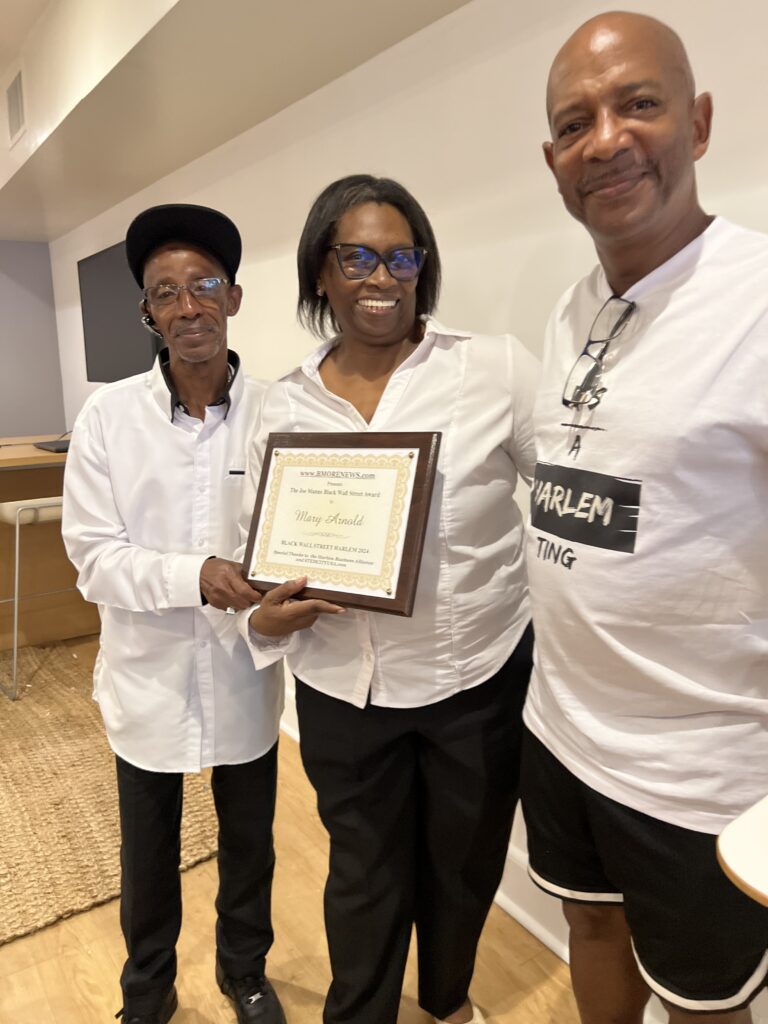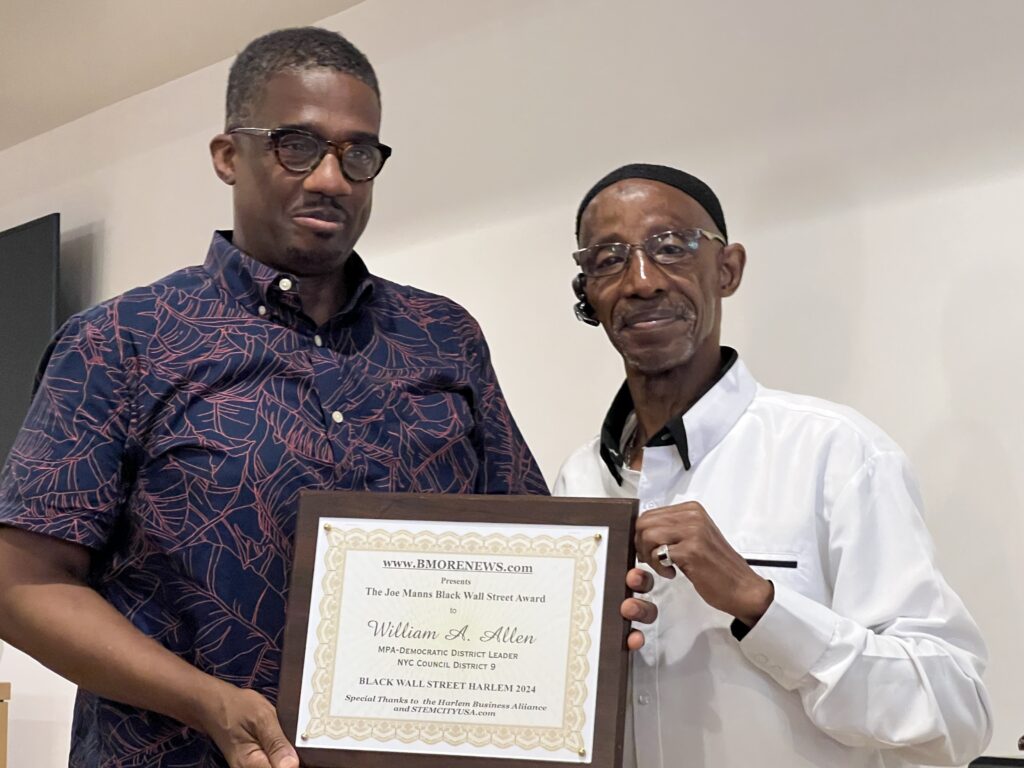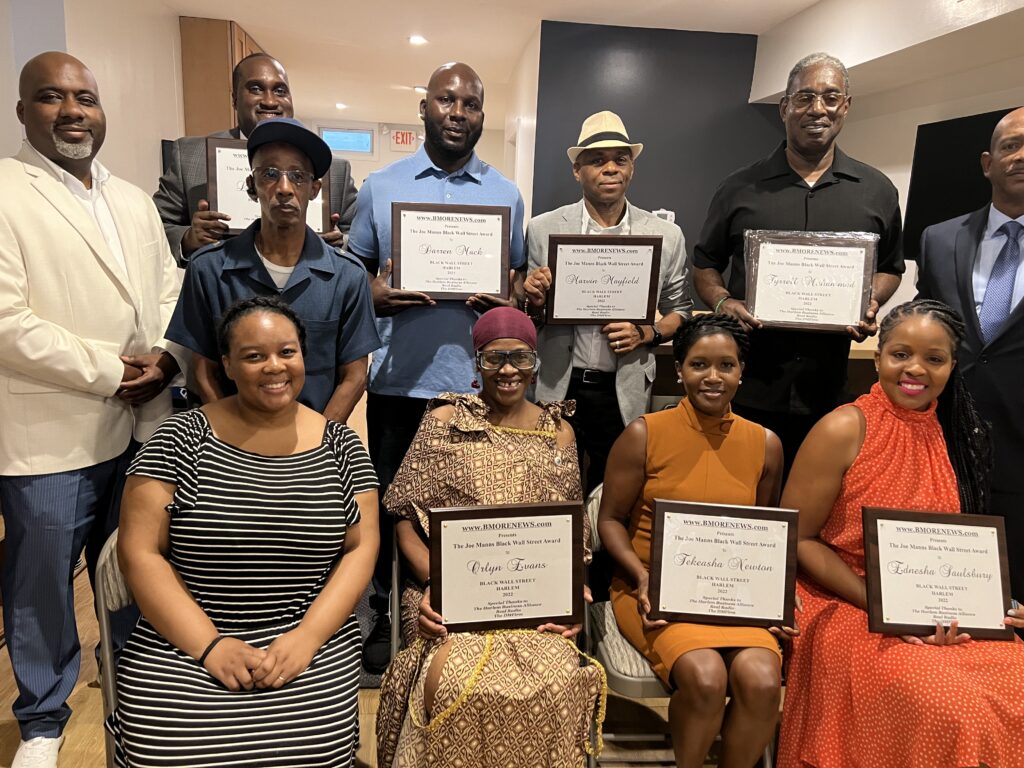


(New York, NY) — New York didn’t just inspire me—it sharpened my purpose.
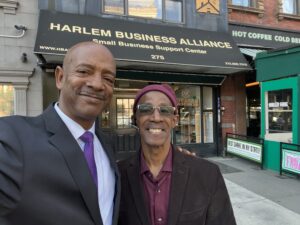
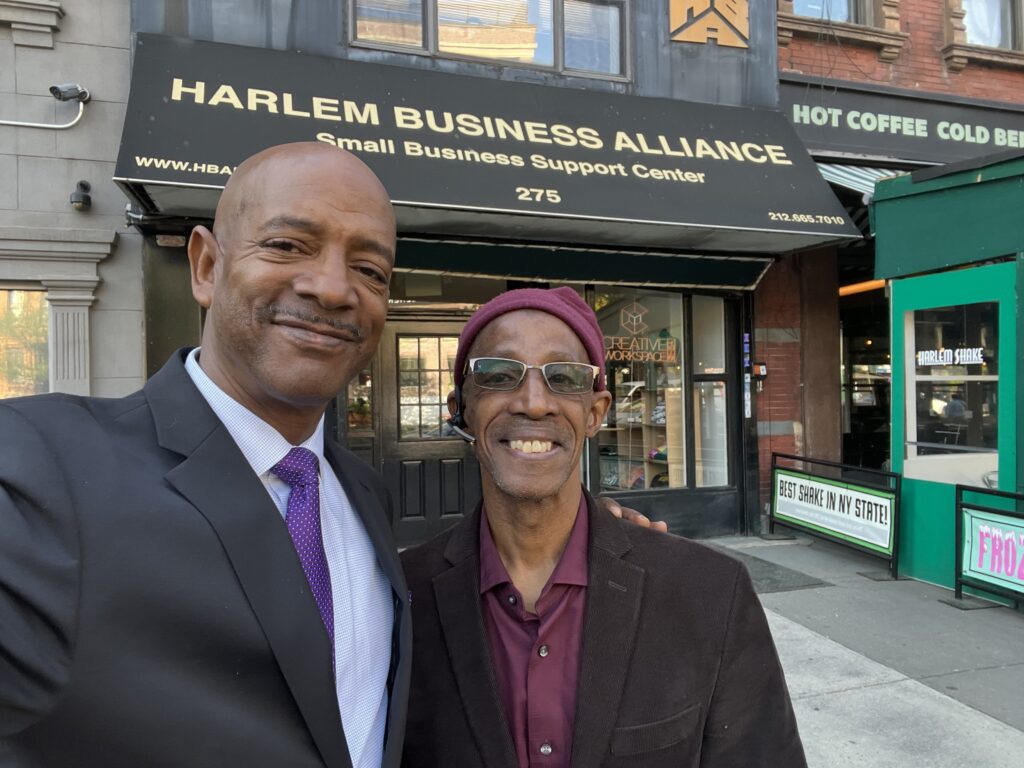
For years, my work has taken me to Harlem—specifically 275 Malcolm X Boulevard, just below 124th Street, home to the Harlem Business Alliance. That space, and the people in it, have played a meaningful role in our national push for Black economic empowerment.
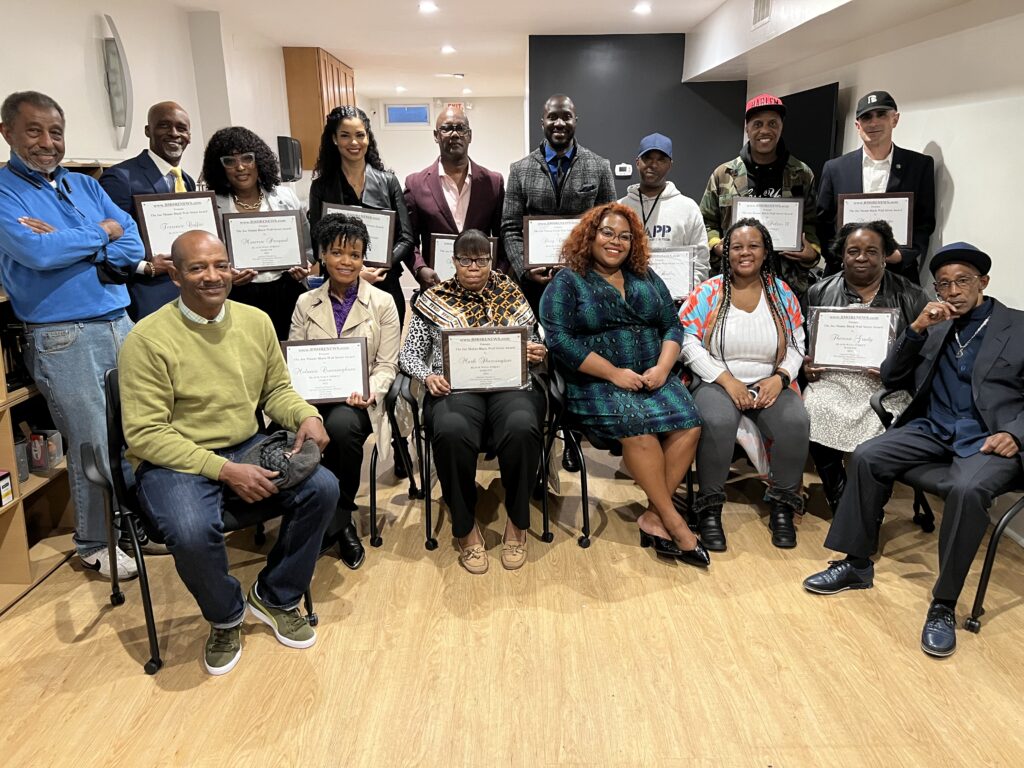
Leaders like Walter Edwards, Regina Smith, and Tasemere Gathers have stood with us for over 15 years as we’ve produced the Joe Manns Black Wall Street Awards across the country. Their consistency, their commitment, and their belief in the work have helped make New York one of our most impactful markets.
But this story isn’t just about Harlem.
It’s about a man whose work represents something deeper—something urgent.
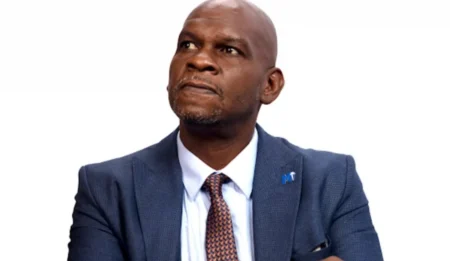
His name is Victor Pate.
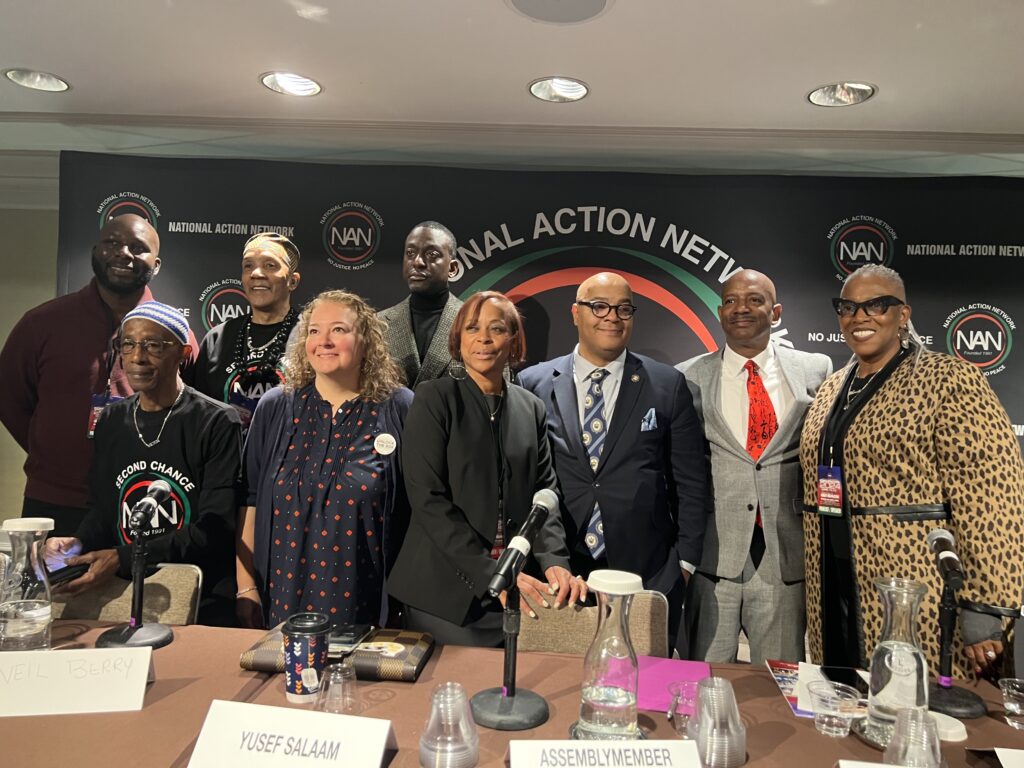
In New York, particularly in the realm of criminal justice reform and reentry advocacy, Mr. Vic is widely respected. To many, he’s a trusted voice. To others, a lifeline. To me, he’s been a consistent ally—someone who shows up every single time we call.
I met him through our mutual connection, Odessa Hopkins. And from the very beginning, it was clear: this is a man committed to people who are too often forgotten.
Victor Pate is a relentless advocate for the formerly incarcerated, with a particular focus on ending solitary confinement and improving conditions for those behind the walls. His work stretches from the streets to the state capital in Albany, and deep into the prison system itself. His network is vast. His impact is real.
And what makes his work even more powerful is how it connects across state lines.
Here in Maryland, that same spirit lives through people like Gwen Levi—a tireless advocate for justice and second chances—and Natasha White, a proud Brooklyn native with deep roots in community work and a commitment to uplifting our people.
This is not isolated work. This is a network.
And the issue they’re fighting is massive.
The United States represents roughly 5% of the world’s population—but nearly 25% of the world’s incarcerated population. Let that sit with you.
That reality demands more than conversation. It demands action.
Back in Baltimore, I was first introduced to this work through the late Brother Ellsworth Bey, founder of the Fraternal Order of Ex-Offenders. He taught me early on that advocacy for returning citizens is not charity—it’s necessity.
Since then, through BMORENews.com, we’ve made it a point to support and amplify efforts that help individuals successfully transition home. Because the truth is simple: most people who are incarcerated will one day return to society.
The real question is—what happens next?
Do we create pathways? Or do we create barriers?
Institutions like the Entrepreneurial Development and Assistance Center (EDAC) at Morgan State University, led by Omar Muhammad, are doing the work—helping returning citizens build businesses, develop skills, and reclaim their place in the economy.
And advocates like Victor Pate—along with Gwen Levi and Natasha White—are making sure those individuals are not forgotten before they even get that chance.
Because these are our brothers. Our sisters. Our people.
We can judge them—or we can help them.
We can distance ourselves—or we can build systems that support their return.
The question isn’t whether they deserve a second chance.
The question is whether we, as a community, are serious enough to help them succeed when they get one.
Salute to all of the advocates doing this work across the country.
But today—this one is for you, Mr. Vic.
Keep pushing. You are appreciated.