

Photos by Lafon Porter
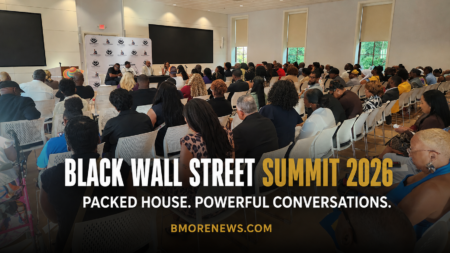
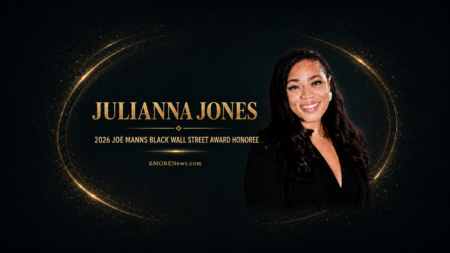
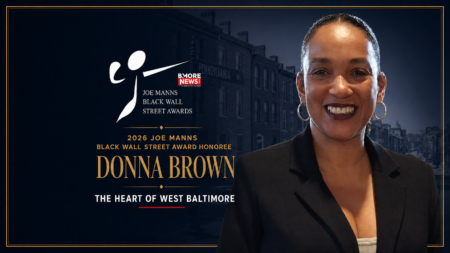
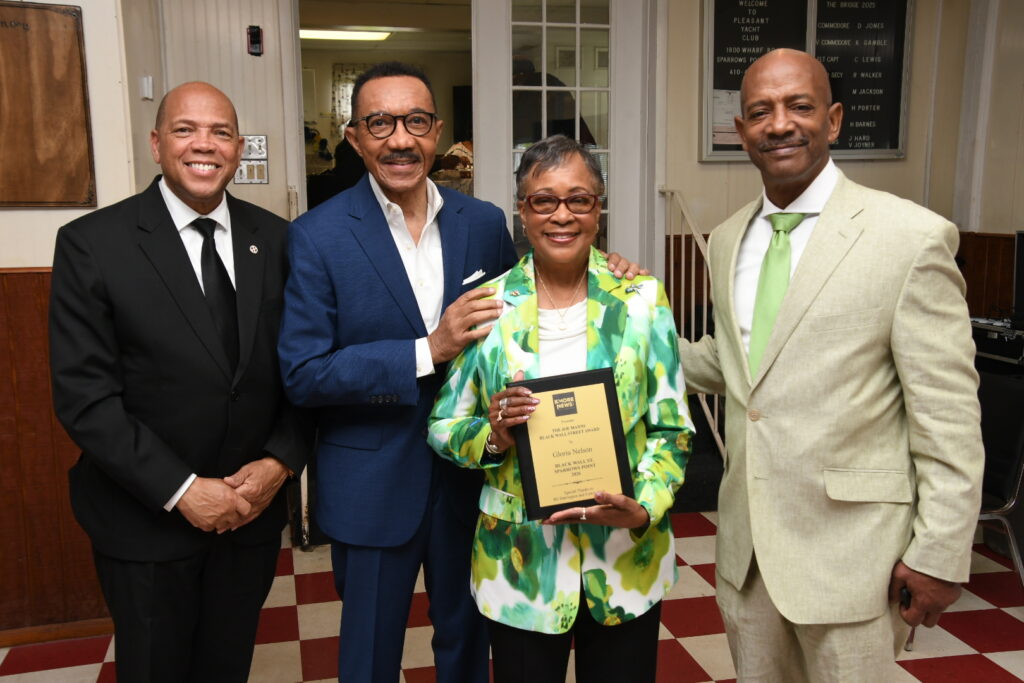
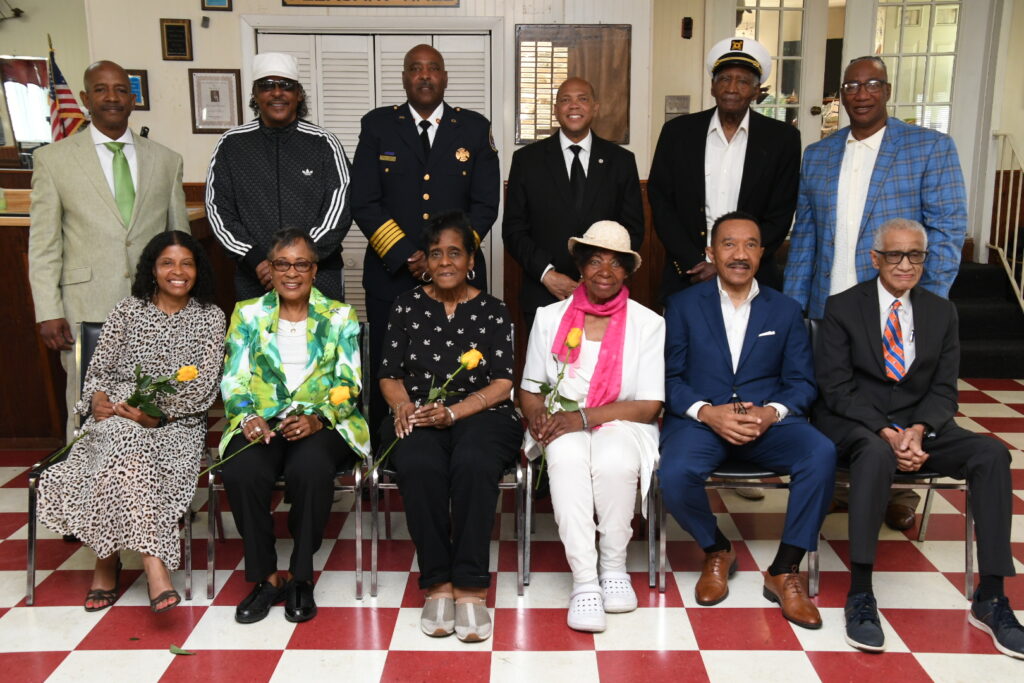
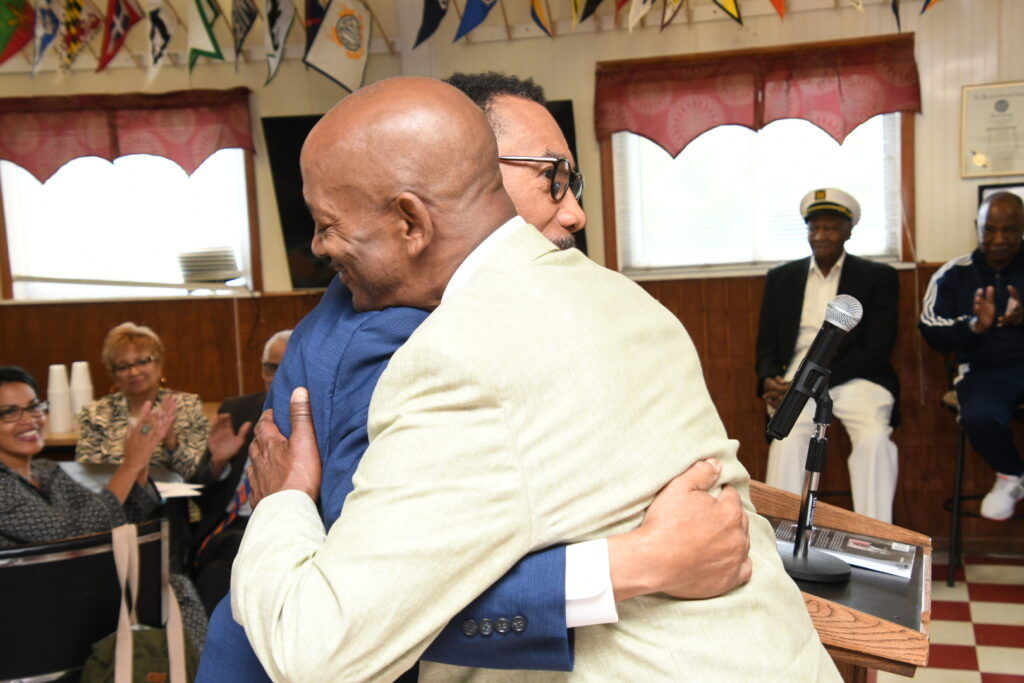
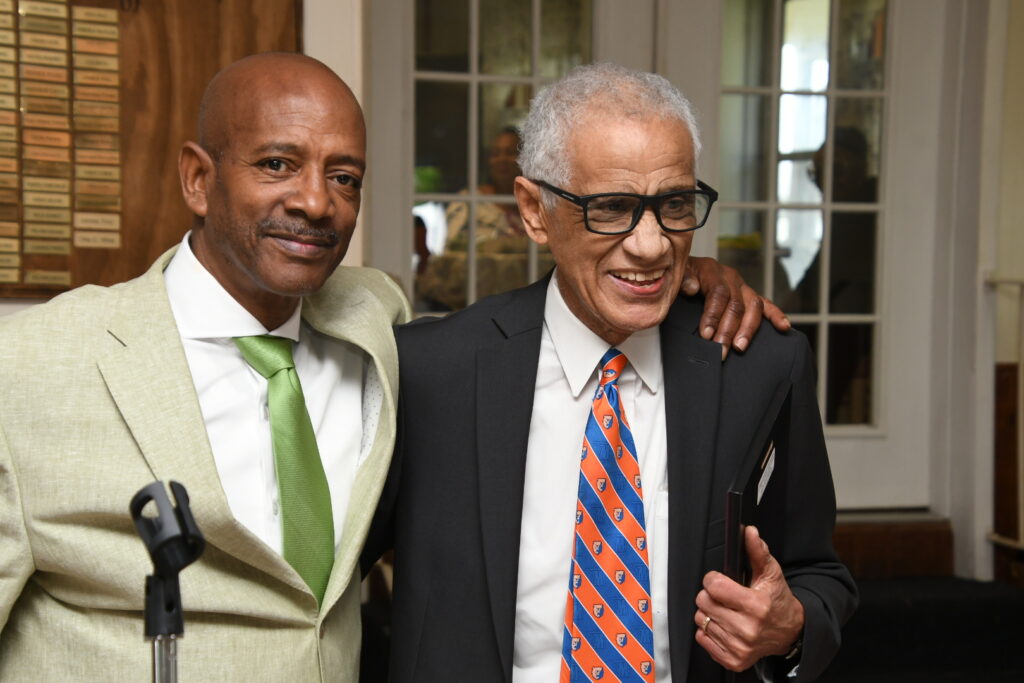
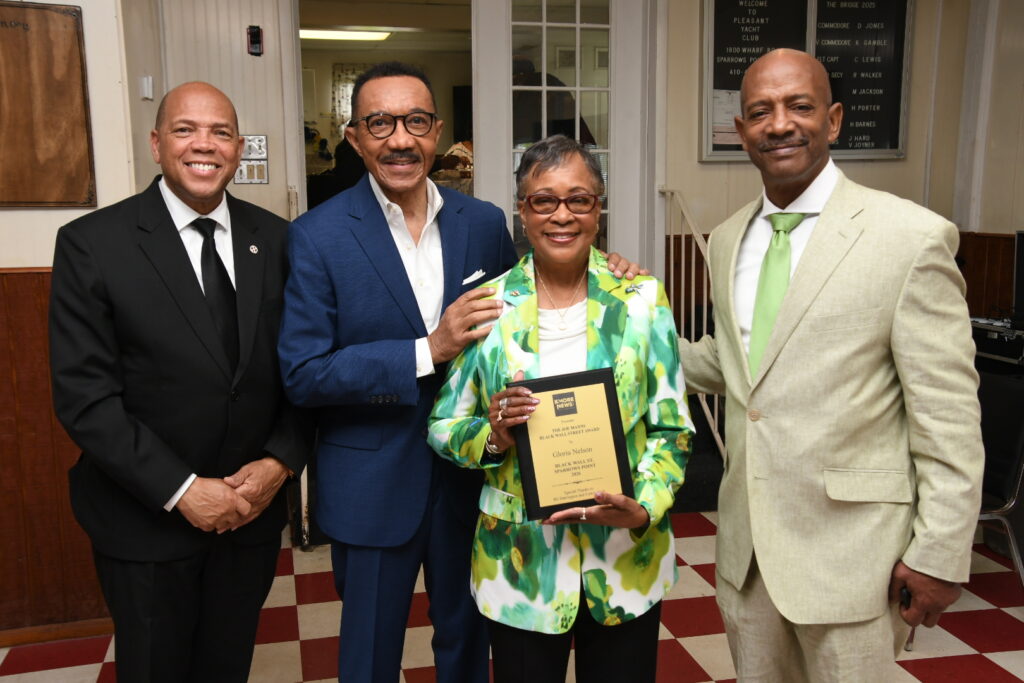
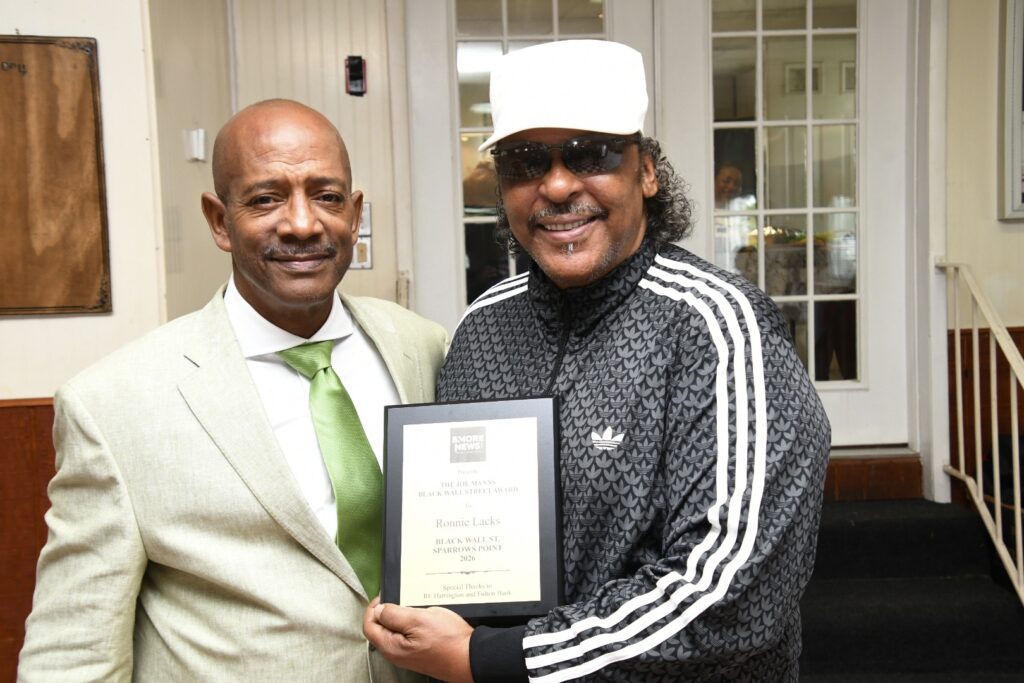
(SPARROWS POINT – May 12, 2026) – When the Joe Manns Black Wall Street Awards came to Sparrows Point on May 9 at the Pleasant Yacht Club, most people came to celebrate the honorees — the community titans, entrepreneurs, pastors, public servants, and living legends of Turner Station who have quietly held Black Baltimore together for generations.
And rightfully so.
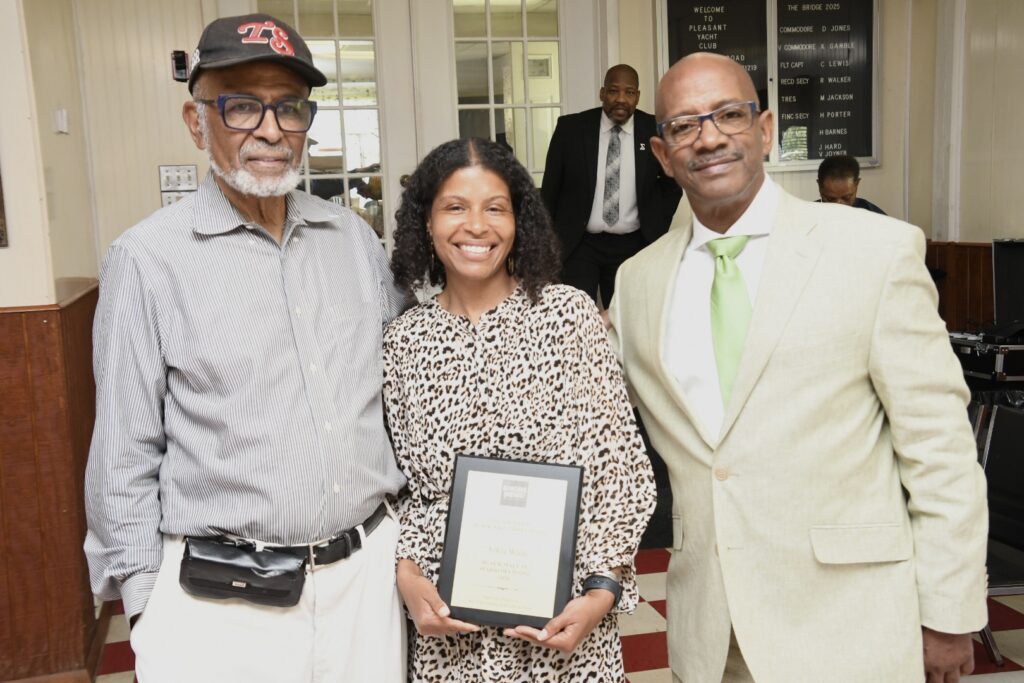
Every honoree deserved every moment of recognition they received that evening.
But somewhere between the applause, the fellowship, and the stories being shared across the room, something else became undeniable.
The real gem at Sparrows Point had been hiding in plain sight for more than 60 years.
The Pleasant Yacht Club itself.
This hand-built monument sitting quietly along Jones Creek is Black Wall Street.
It always has been.
They Said No. So Black Men Said Watch.
In the 1950s, six Black steelworkers walked over to Bethlehem Steel management and asked a simple question: could they have a place on the water like their white coworkers?
The answer was no.
Bethlehem Steel had already built the North Point Yacht Club for white employees. Black workers were excluded.
But here is where the story changes.
These men did not walk away defeated.
They walked away determined.
The company offered them a small parcel of land and some leftover materials. Nothing more. From that rejection, those Black steelworkers built something extraordinary with their own hands — a floating pier, a boat ramp, a clubhouse, and eventually a legacy that would outlive the steel mill itself.
After working long shifts in the heat of the mill, they came back to the waterfront and built.
Board by board.
Beam by beam.
Not just a structure — a statement.
That is Black Wall Street.
Not simply commerce, but self-determination.
Not merely ownership, but imagination in the face of exclusion.
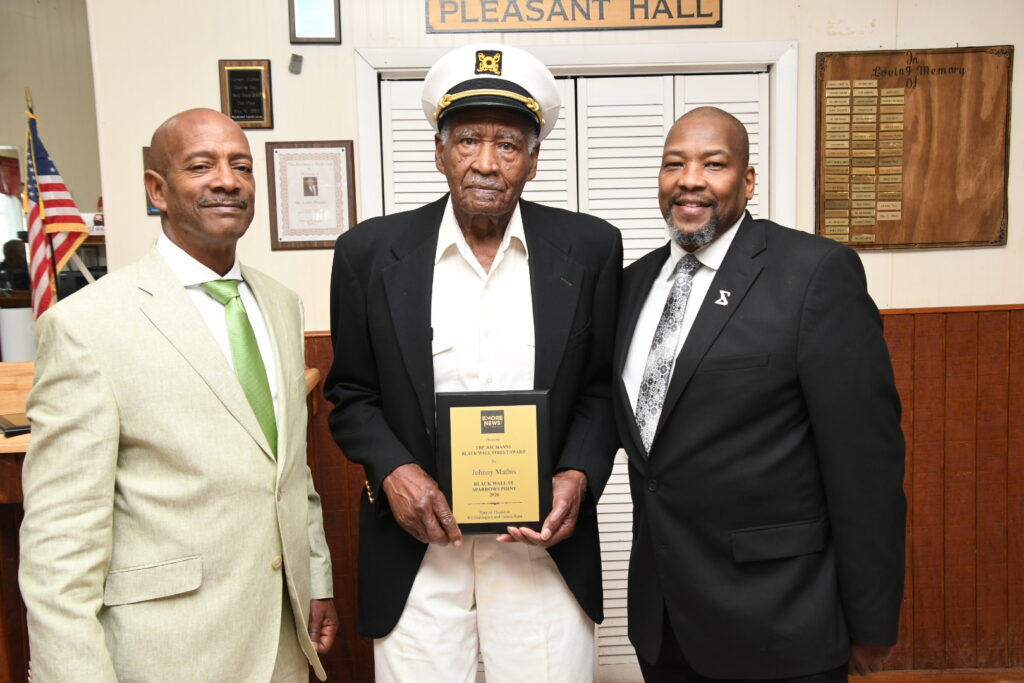
The last surviving founding member, 97-year-old Capt. Johnnie Mathis, never forgot what drove them. Speaking about Bethlehem Steel’s refusal to include Black workers in the white yacht club, Mathis said plainly: “What they really wanted to do was keep us separated.”
Separated by race.
Separated from the water.
Separated from opportunity.
Instead, those men separated themselves into something magnificent.
More Than a Yacht Club
Today, Pleasant Yacht Club remains the only historically Black yacht club in Baltimore County.
But calling it merely a yacht club almost misses the point.
This is a living institution.
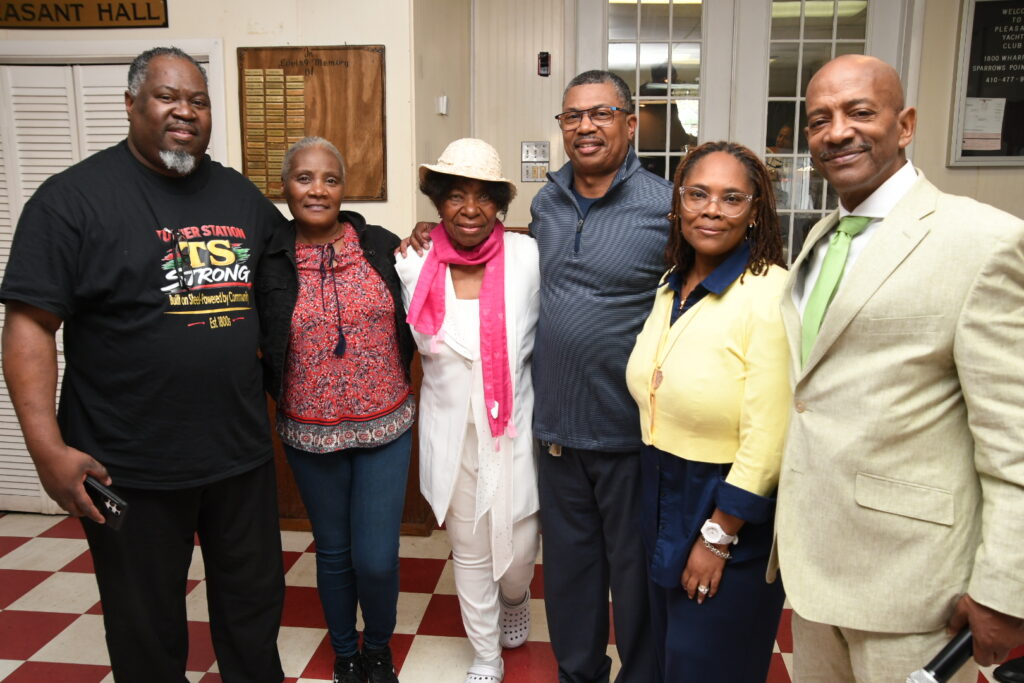
Families gather there after church. Elders are taken onto the water for peace and healing. Crab feasts, fish fries, Safe Boating Classes, and Senior Citizen Day celebrations continue traditions started generations ago. Portraits of past commodores line the walls inside the social hall, preserving the memory of the men who built the place from nothing.
And recently, all of it nearly disappeared.
Plans tied to Tradepoint Atlantic’s massive port expansion project threatened both Pleasant Yacht Club and neighboring North Point Yacht Club. For many in the community, it felt like history was once again being sacrificed in the name of progress.
But this time, the community pushed back.
Through the efforts of State Senators Carl Jackson and Charles Sydnor, language was inserted into the state budget process requiring a preservation pathway — or compensation plan — for the yacht clubs.
What was being protected was never just land.
It was legacy.
Derrick Jones and Lafon Porter: Stewards of the Legacy
Two men who understood that immediately were Commodore Derrick Jones and Capt. Lafon Porter, both of whom helped produce Black Wall Street SPARROWS POINT while simultaneously helping lead the fight to preserve the club itself.
Their leadership felt less like event coordination and more like stewardship.
Jones carried himself with the quiet dignity of a man fully aware that he was protecting sacred ground.
Porter brought both passion and historical memory. His uncle, Columbus Porter, was among the club’s earliest members. When Lafon says there is “no place like this” in Baltimore County — perhaps even the nation — it does not sound like exaggeration.
It sounds like truth.
Because where else do you find descendants of Southern sharecroppers turned steelworkers becoming boat owners on the Chesapeake Bay during segregation?
Where else do you find Black men taking discarded materials and building a waterfront institution with their own hands after factory shifts?
Where else do you find a 97-year-old founder still able to stand on the grounds and point to what he helped create?
That is not just a yacht club.
That is Black Baltimore history.
Black Wall Street at the Water’s Edge
The Joe Manns Black Wall Street Awards were founded to celebrate Black entrepreneurship, ownership, resilience, and institution-building.
Few places embody that spirit more clearly than Pleasant Yacht Club.
White coworkers had theirs built for them by the company.
Black steelworkers built theirs themselves.
That distinction is not a footnote.
It is the entire story.
Black Wall Street has never been solely about economics. It has always been about the refusal to accept limitation as a final answer.
It is about taking whatever is available — even scraps, even rejection, even exclusion — and transforming it into something lasting.
The Pleasant Yacht Club has been doing exactly that since the 1950s.
And as long as that pier stands on Jones Creek, built not by corporations but by conviction, the legacy will stand too.
SEE MORE PHOTOS
RELATED STORY