

(SOUTHEAST DC – June 13, 2026) – When we launched the first event in Washington, D.C., back in 2011, it wasn’t called the Black Wall Street Awards.
It was called the Black Capital Awards.
At the time, I was still learning the full story of Tulsa’s Greenwood District and the massacre of May 31–June 1, 1921. I had heard pieces of the story, but I had not yet connected all the dots between that history and the work I was trying to do.
What I didn’t fully appreciate then was that I had spent my entire life walking through Baltimore’s own version of Black Wall Street.
I didn’t know the terminology yet.
I just knew the people.
The funeral directors.
The pastors.
The entrepreneurs.
The beauty shop owners.
The barbers.
The business owners.
The people who built.
Growing up in a family business founded in 1965, Black ownership wasn’t something I studied.
It was something I lived.
Long before I learned about Greenwood, I was already surrounded by Black Wall Street.
What I did know was this:
Black people build.
We build businesses.
We build families.
We build churches.
We build communities.
We build institutions.
And despite every obstacle placed in our path, we keep building.
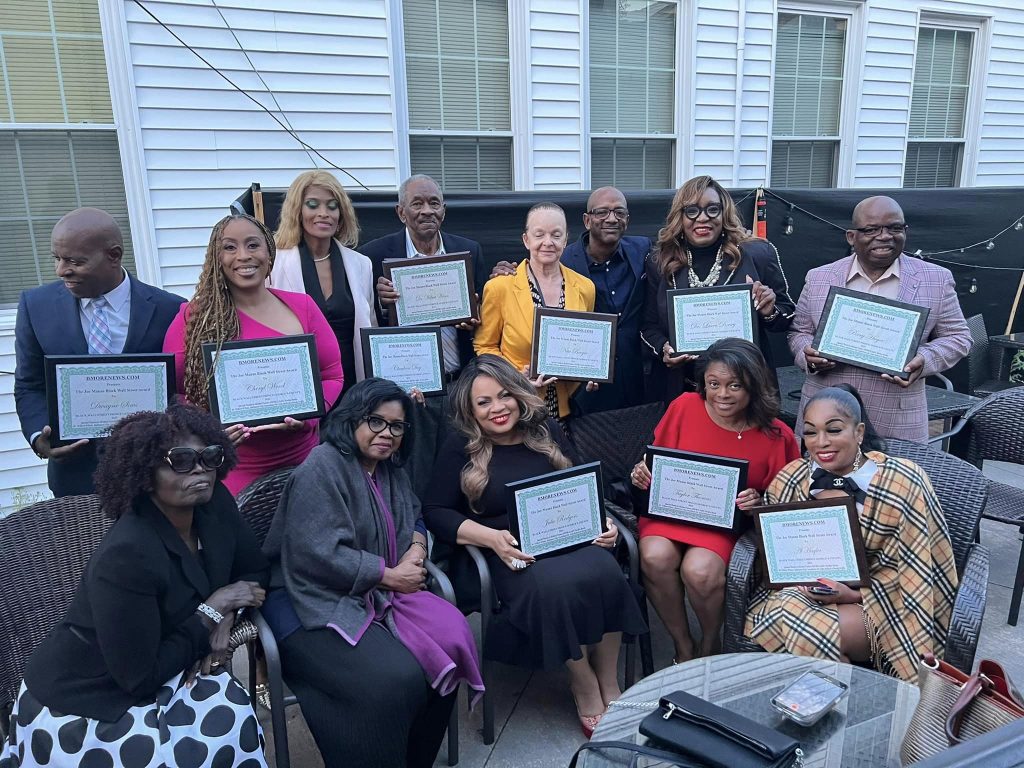
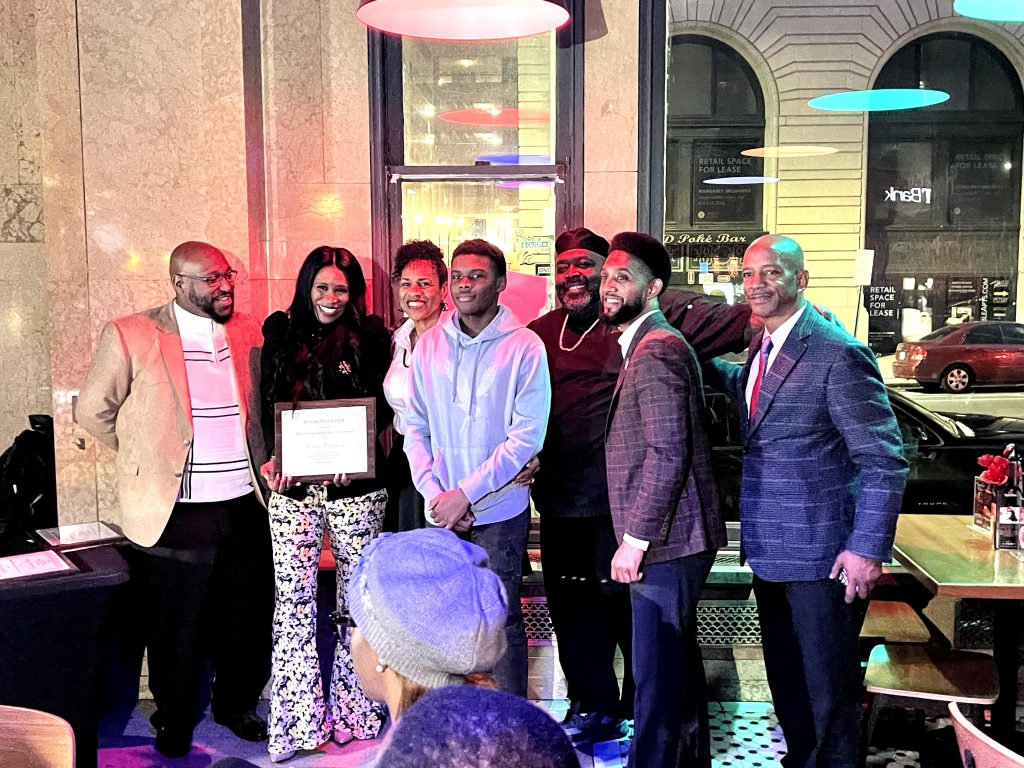
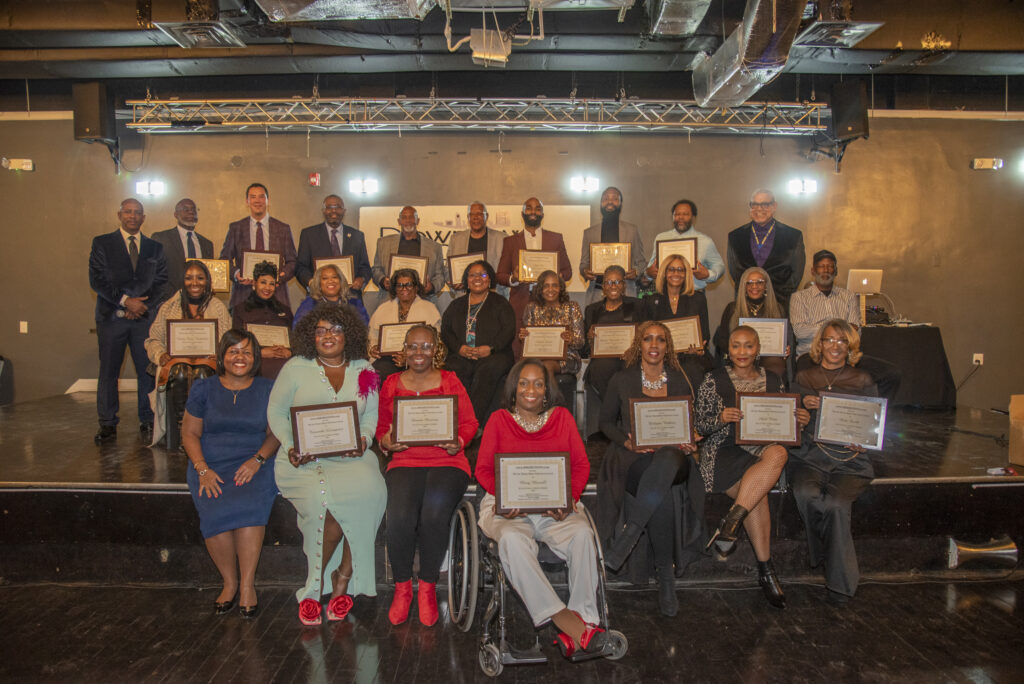
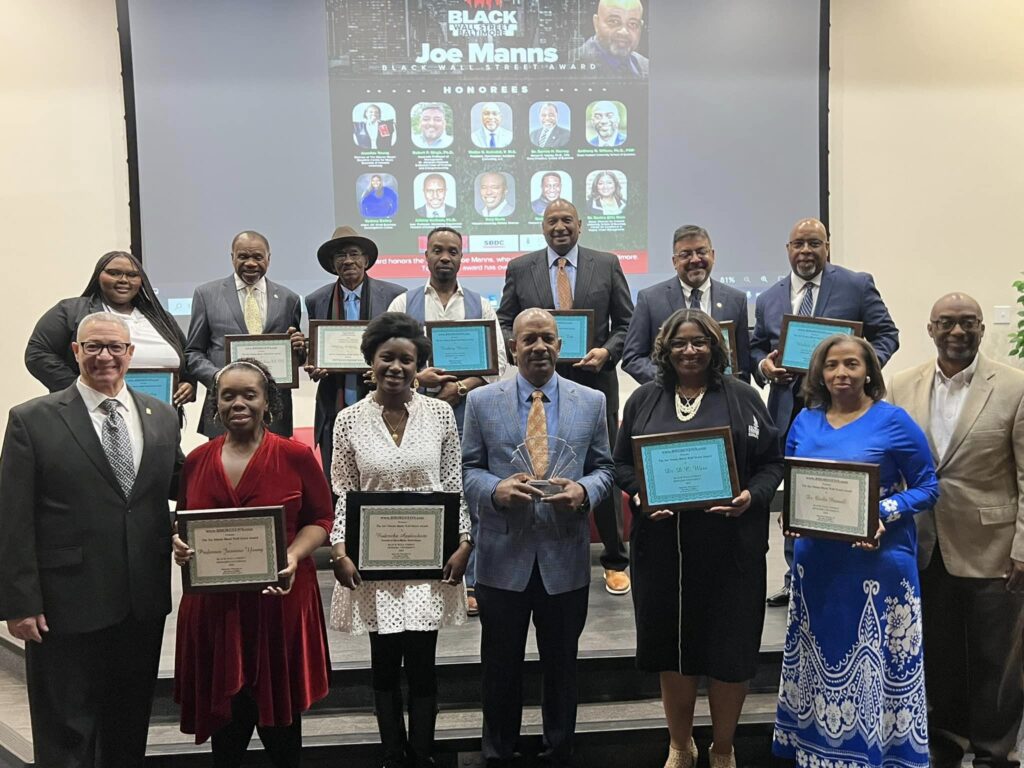
Fifteen years later, what started as a single event has grown into a movement that has recognized more than 3,000 entrepreneurs, professionals, educators, advocates, clergy, public servants, artists, and community leaders across nine cities.
Along the way, I have not walked alone.
Brothers like Renny Bass, Thomas Hardnett, Sanjay Thomas, and John Bugg helped us build the Black Wall Street Awards brick by brick. I tried not to wear them out. My father taught me never to wear out my welcome. You’re supposed to give more than you take. If you make a mistake, fix it. Apologize if you have to. Then get back to work.
Oh, the money will come.
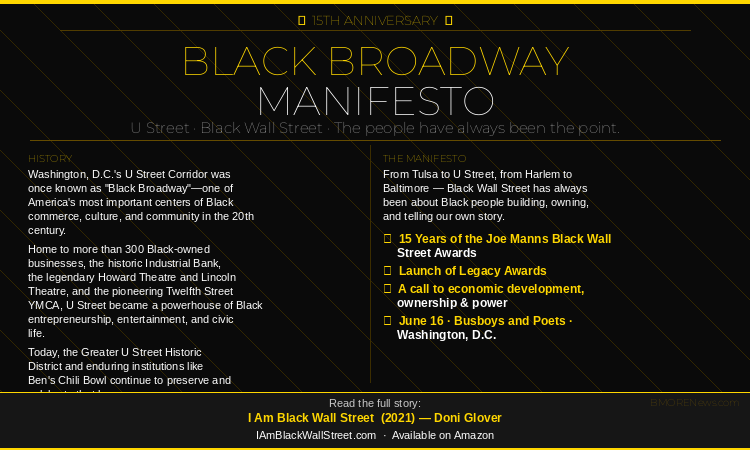
Beyond Tulsa: A Bigger Black Wall Street
As I learned more about Tulsa, I also began asking bigger questions.
Most people know about one Black Wall Street.
Tulsa.
What many people don’t realize is that there were other communities also known as Black Wall Street.
Richmond, Virginia.
Durham, North Carolina.
And countless other business districts, freedom colonies, and self-sustaining Black communities scattered throughout the Americas.
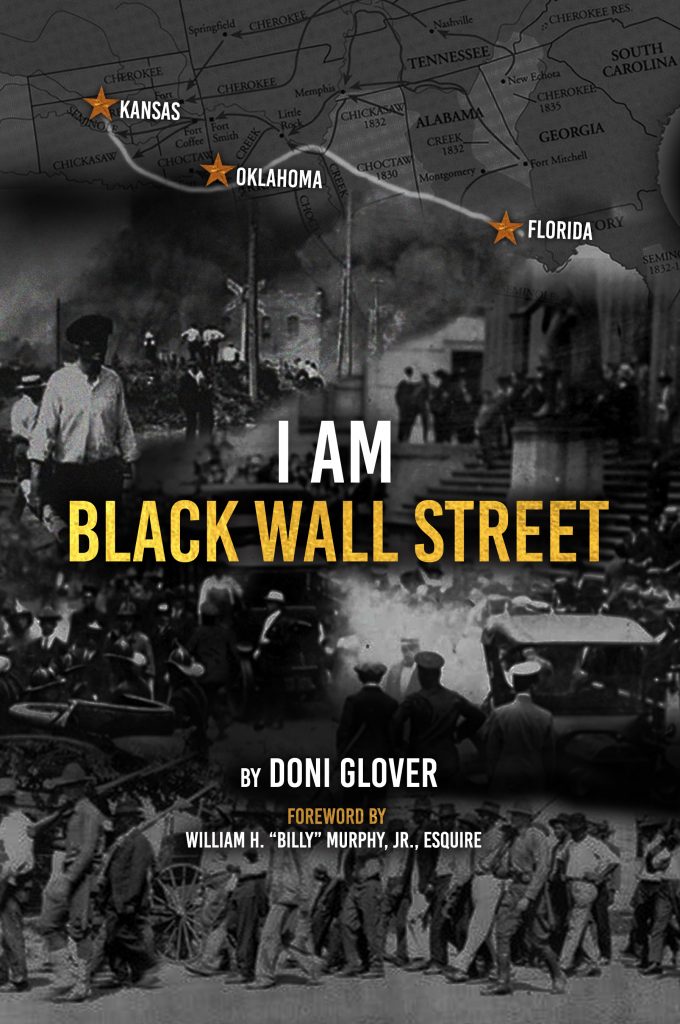
As I wrote in my book, I Am Black Wall Street (2021), Black Wall Street was never just a place.
It was an idea.
A tradition.
A determination to build economic power regardless of the obstacles.
And that realization led me to another question:
How far back does the story go?
Long before the transatlantic slave trade.
Long before anyone called this land “America.”
The transatlantic slave trade forcibly displaced approximately 12.5 million Africans. Only about 4 to 6 percent—roughly 388,000 people—were brought directly to what is now the United States. Most were taken to Brazil, while millions more were dispersed throughout the Caribbean and Latin America.
Yet even that horrific chapter is not the beginning of our story in the Western Hemisphere.
Consider Luzia, the name given to the remains of a woman discovered in Brazil whose remains were estimated to be between 10,000 and 12,000 years old. Her discovery sparked decades of discussion among anthropologists and researchers about the earliest inhabitants of the Americas and what they may have looked like.
The pyramids of Mexico invite comparisons to those of Egypt.
The great Olmec heads continue to fuel debate and curiosity.
Dark-skinned figures appear in ancient artwork throughout Mesoamerica.
Across North America, mound structures and earthworks remind us that sophisticated civilizations flourished here long before European colonization.
Whether one agrees with every theory or not, the larger point remains the same:
Black people have been builders for a very long time.
That is why Black Wall Street resonates so deeply with me.
I do not see it as a single neighborhood in Oklahoma.
I see it as part of a much longer tradition of Black people creating, organizing, building, resisting, surviving, and prospering wherever they found themselves.
Black Wall Street is not merely a place.
It is a mindset.
It is a tradition.
It is a legacy of builders.
Builders Across Generations
When I think about Black Wall Street, I don’t just think about neighborhoods.
I think about builders.
William Alexander Leidesdorff Jr.
Reginald F. Lewis.
Robert F. Smith.
David Stewart.
Oprah Winfrey.
Maggie Lena Walker.
Dorothy Brunson.
Annie Turnbo Malone.
Madam C.J. Walker.
Little Willie Adams.
Tom Smith.
Different generations.
Different industries.
The same spirit.
They all asked the same question:
How do we build something that lasts?
How do we create ownership?
How do we create opportunity?
How do we leave something behind for those who come after us?
Those questions mattered then.
They matter now.
And they will matter long after we’re gone.
Because Somebody Helped Me
But if I’m honest, the specific reason these awards exist is even more personal.
They exist because somebody helped me.
When I started BMORENews in 2002, I hired someone to build a website.
It quickly became apparent that every update would require another payment.
Every change meant another fee.
I didn’t know much about web design back then.
But I knew one thing.
I wasn’t going to spend the rest of my life paying somebody every time I wanted to update my own website.
So I went back to the drawing board.
I bought Microsoft Publisher and built the first version of BMORENews.com myself.
And let me tell you something.
It was the ugliest website in the history of mankind.
Ugly.
Terrible.
No color scheme whatsoever.
But it existed.
My father, Donald Edward “Doc” Glover, gave me advice that changed my life.
“Doni, get out there and try. If you get out there and try, somebody might see you and they might even help you. But you’ll never know if you never try.”
So I got out there and tried.
Around that time, LaRian Finney hosted one of his African-American Business Summits at the Hyatt Regency Baltimore.
One of the people I met there was a brilliant web designer named Julian B. Moore.
Julian had already seen BMORENews.com.
He saw my ugly little website.
He saw the effort.
And then he did something that changed my life.
He helped me.
God rest his soul.
Julian used to joke that BMORENews had a “Black man’s color scheme,” meaning no color scheme at all.
Instead of laughing and walking away, he rolled up his sleeves and showed me how to make it better.
Macromedia Dreamweaver.
Macromedia Fireworks.
Graphic design.
Web development.
Digital publishing.
He took my baby and made my baby beautiful.
And that experience taught me something I’ve never forgotten:
Sometimes people don’t need money.
Sometimes they don’t need a handout.
Sometimes they simply need somebody to see them.
That is why the Black Wall Street Awards exist.
Every award says the same thing:
I see you.
I see the sacrifice.
I see the struggle.
I see the late nights.
I see the perseverance.
I see the dream.
Because somebody once saw me.
And fifteen years later, I’m still trying to return the favor.
How I Met Joe Manns
People may wonder just how the awards came to be named after Joe Manns.
To me, that might be the most fascinating part of the whole story.
For twenty‑one years, I hosted a radio show on WOLB 1010 AM with Radio One. It was the longest-running customized (sponsored) show on Radio One in America. Twenty-one years. The show was often political, centered on Black business and community issues, but I have always loved music. I play the piano—a lot of people don’t know that—so I welcomed the chance to bring artists on whenever I could.
From time to time, I brought on a blind promoter named Leamon Best. Leamon hosted regular talent shows and would bring singers onto the show, including a little girl named Ashley who was about ten years old back then. They would come on, sing, and bring light into a show that often dealt with heavy topics.
One day, out of the blue, Leamon said, “Brother Doni, I want you to come to my awards ceremony.” It was at a church in Edmondson Village, on Wildwood Parkway. He told me he wanted to give me an award for bringing him on the show. I appreciated it, but I didn’t think much of it at first.
When I walked into that church, I was not ready for what I saw.
This blind man had three or four banquet tables loaded with trophies—three‑foot trophies. Not one. Not two. Tables full of them.
You have to understand: I played Little League baseball at James Mosher. We were thrilled to get our trophies at the end of the year. Some of them weren’t more than four inches tall, but we treasured them. Later, I played rec sports and did weightlifting, and I received some nice trophies—but nothing like this.
These trophies were huge. And there were many.
I had to ask him, “Leamon, where did you get these trophies? Where do you get all these trophies?”
This is a blind man, standing in a church full of three‑foot trophies, determined to honor people in a big way.
He told me about a man named Joe Manns.
He directed me to Joe.
The rest, as they say, is history.
When I met Mr. Joe Manns, I met a man who had a heart for giving, a heart for the community, and a passion for recognizing people. He was all about philanthropy and being a blessing to others. His mindset was very much aligned with my father’s.
My father used to say, “Doni, with a closed hand, nothing gets in and nothing gets out. With an open hand, there are endless possibilities. My mother taught me a similar lesson. After the last Thanksgiving Dinner she would ever cook, she gave me two plates of food wrapped in foil and told me to go out and give them to anybody.
The moral of the story is simple: help somebody.
Lehman helped somebody.
Joe helped somebody.
My father taught me to help somebody. So, did Mom.
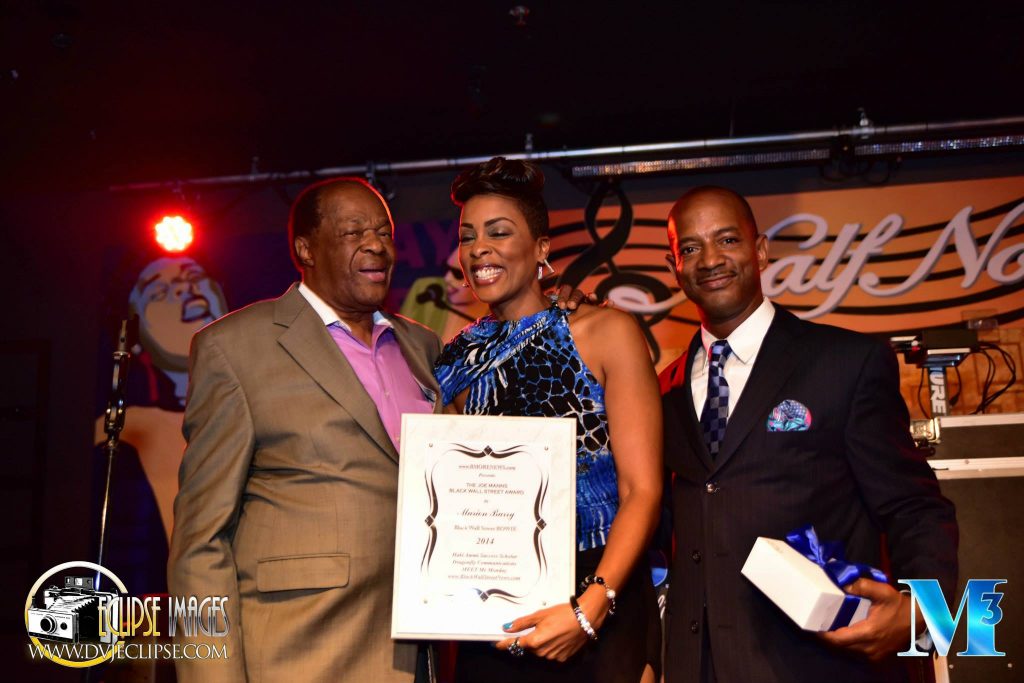
That’s why these awards carry Joe Manns’s name. Today, the company has evolved into Legacy Awards, but we proudly continue this tradition in his honor, because his spirit is part of our story.
We have also been blessed by visionaries who push our people into the future.
Dr. Tyrone Taborn, with his work on STEM CITY USA and his efforts to move our communities into the metaverse, has been like the Captain Kirk of Black and Brown people—commanding a starship aimed straight at the future of engineering and technology. His work is a reminder that if God gives you the vision, He will give you the provision. Your job is not to give up.
The Economic Vision
The mission of the Black Wall Street Awards is simple.
Black Americans control an extraordinary amount of annual buying power. Don’t believe me? Ask Target. Go back and ask the folks who ran the Montgomery public bus system.
The challenge has never been our ability to create.
Black people are among the greatest creators of culture on the planet.
Our music influences the world.
Our fashion influences the world.
Our language influences the world.
Our style influences the world.
From jazz to gospel to rhythm and blues to hip‑hop, Black creativity has shaped American culture and global culture again and again.
The question is not whether we can create.
The question is whether we can capture enough of the economic value our creativity generates.
Imagine if every family spent just $100 more this year with a Black‑owned business than they did last year.
Think about what that would mean.
More jobs.
More storefronts.
More homeowners.
More wealth.
More opportunity.
That is the vision of Black Wall Street.
Not symbolism.
Not nostalgia.
Economic development.
Economic ownership.
Economic power.
And while we’re talking about entrepreneurship, I must give special recognition to Black women.
Over the last several years—through a pandemic, economic uncertainty, and political division—Black women have continued to lead.
Again and again.
They have launched businesses.
Created opportunities.
Built brands.
Created wealth.
Inspired communities.
To every Black woman who bet on herself, who turned a kitchen table into a boardroom, who transformed an idea into a business—thank you.
You have set the standard.
You have removed excuses.
You have shown America what determination looks like.
You have become the backbone of the modern entrepreneurial movement.
It Don’t Mean a Thing
And maybe that’s what all of this comes down to:
Legacy.
The Joe Manns Black Wall Street Awards is, at its core, about legacy—of families, of communities, of businesses, of ideas that outlive the people who started them.
The old Duke Ellington standard said:
“It don’t mean a thing if it ain’t got that swing.”
Chuck Brown, the Godfather of Go‑Go, gave Washington its own version:
“It don’t mean a thing if it ain’t got that Go‑Go swing.”
Go‑Go is about participation. It’s call and response. The people aren’t spectators—they’re part of the show. The energy in the room comes from the people in the room.
In that sense, the Joe Manns Black Wall Street Awards has always been a little like Go‑Go.
It’s not about celebrities, even though we have honored the likes of D. L. Hughley and Raheem DeVaughn.
It’s not about red carpets.
It’s not about who has the biggest title.
It’s about the people.
The entrepreneur who just opened a business.
The educator changing lives.
The advocate fighting for justice.
The formerly incarcerated person rebuilding their life.
The author writing their first book – like one of our youngest authors, Kenny Rochon, Jr. – who has already published 14 books.
The pastor of the church that never had a building fund because they paid the mortgage off almost immediately.
The barber.
The beautician.
The nonprofit founder.
The Big Mama who kept everybody together.
The people.
Maybe the line is this:
“Chuck Brown taught us that it don’t mean a thing if it ain’t got that Go‑Go swing. In much the same way, Black Wall Street doesn’t mean a thing if it doesn’t reach the people, especially the youth. The people have always been the point.”
To our sponsors.
To our volunteers.
To our partners.
To every honoree.
To every supporter.
Thank you.
Special thanks to R.E. Harrington, New Life Recovery Center and Vanith McCormick, Fulton Bank, and the many organizations and individuals who have helped make this journey possible.
Fifteen years.
More than 3,000 honorees.
Nine cities.
Countless stories.
And we’re just getting started.
The next fifteen years begin now.
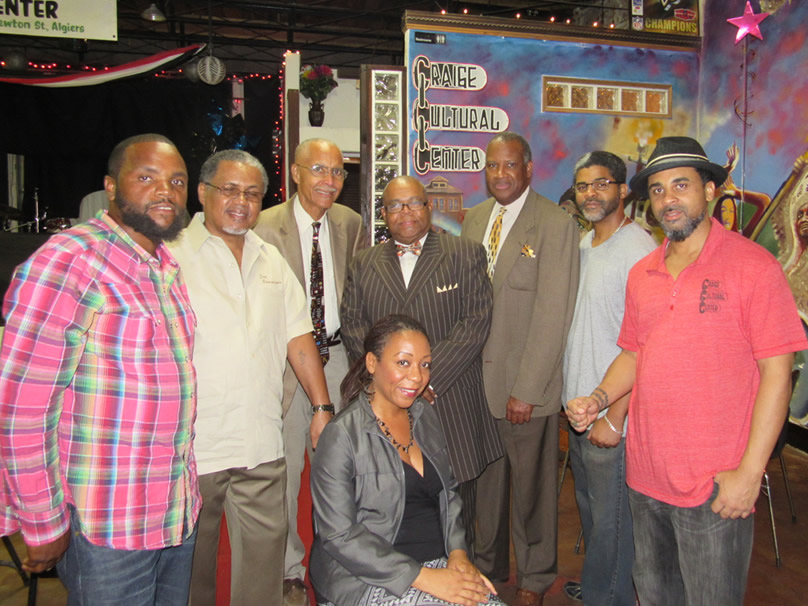
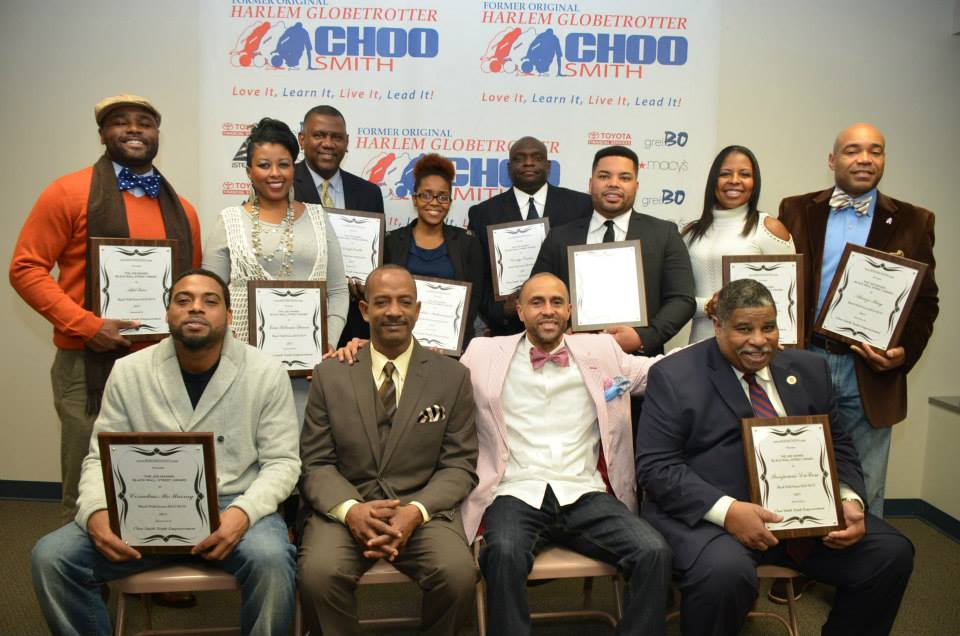
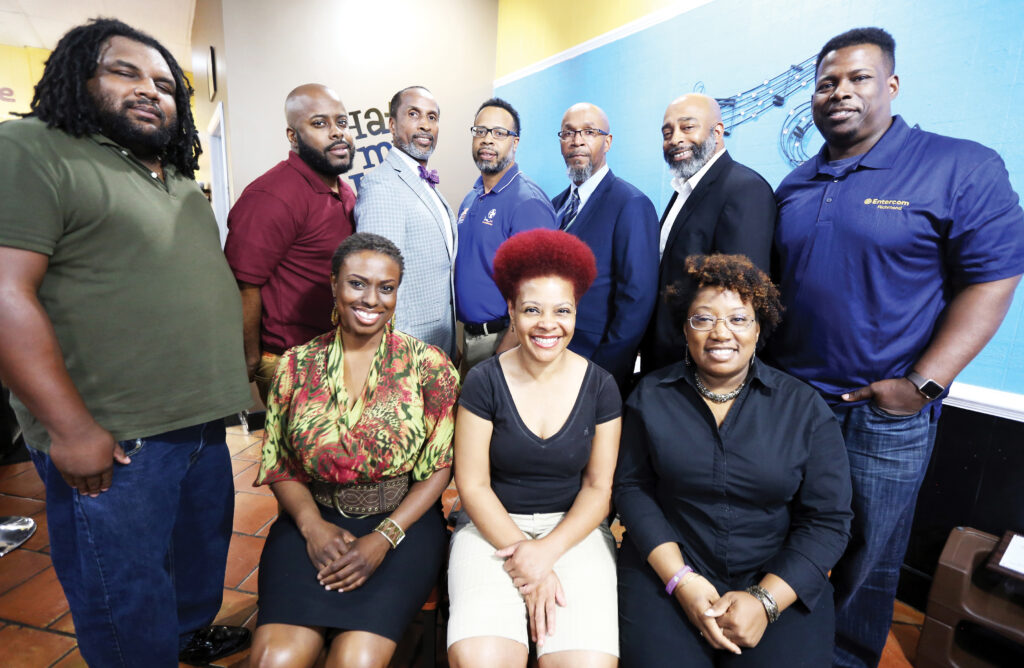
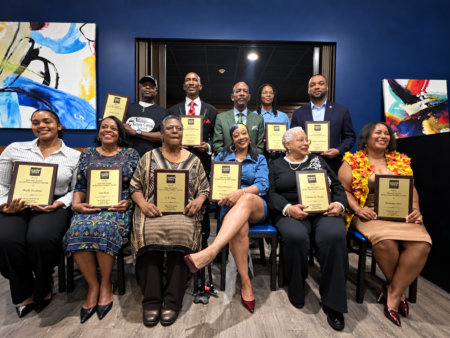
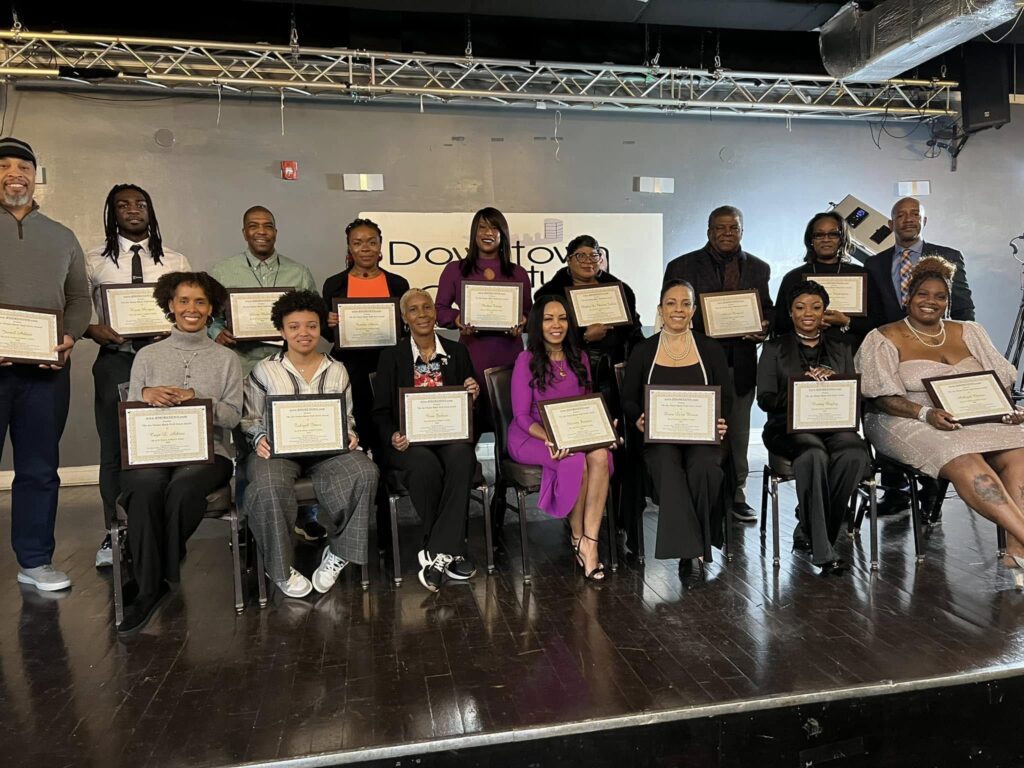
He is celebrating some of Richmond’s black entrepreneurs for the first time after celebrating other “Black Wall Streets” in various cities, including New York, Baltimore, Washington, D.C., and Atlanta, before stopping in Richmond to honor ten people. They are from top left: Jamil Jasey, a musician, James Pope, a poet, Donald Gee, a personal injury attorney, Craig Watson, co-founder of “Lyric Ave.,” a poetry-based variety show and a special projects coordinator for the Boys and Girls Club of Metro Richmond, Darryl Jones, a fashion photographer, producer, writer and director, Darrick Hall, an accountant and owner of DLH Tax and bookkeeping Services and DJ Mike Street, Program Director for WBTJ 106.5 The Beat/Big 98.5. Front row from left: Janelle Harris, a motivational speaker and author, Jaynell Pittman-Shaw, Maple Bourbon restaurant owner, and Tishawna Dortch Pritchett, a licensed professional cosmetologist and a board-certified cosmetology instructor.
Regina H. Boone/Richmond Free Press
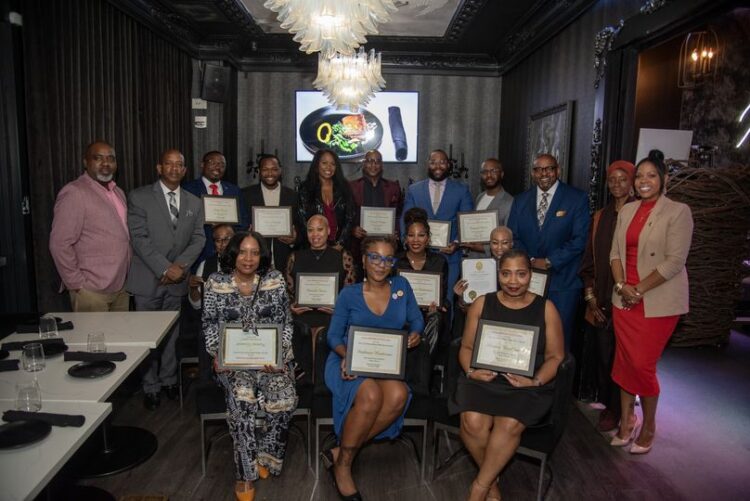
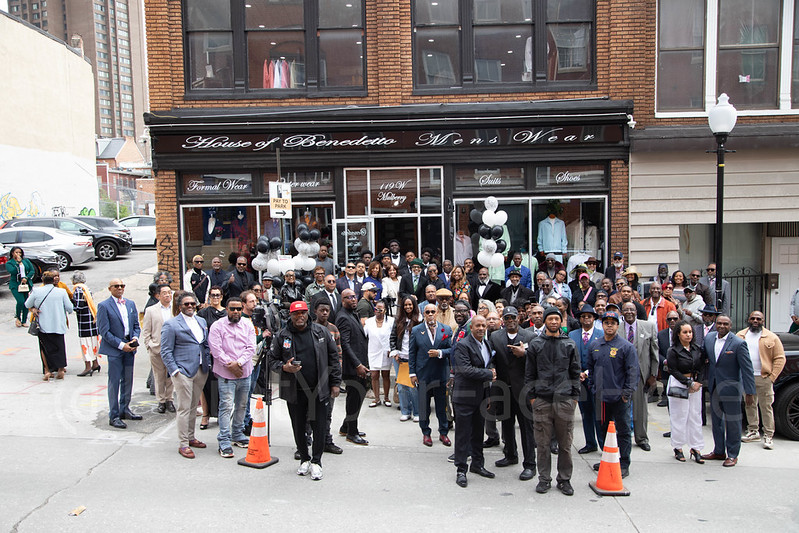


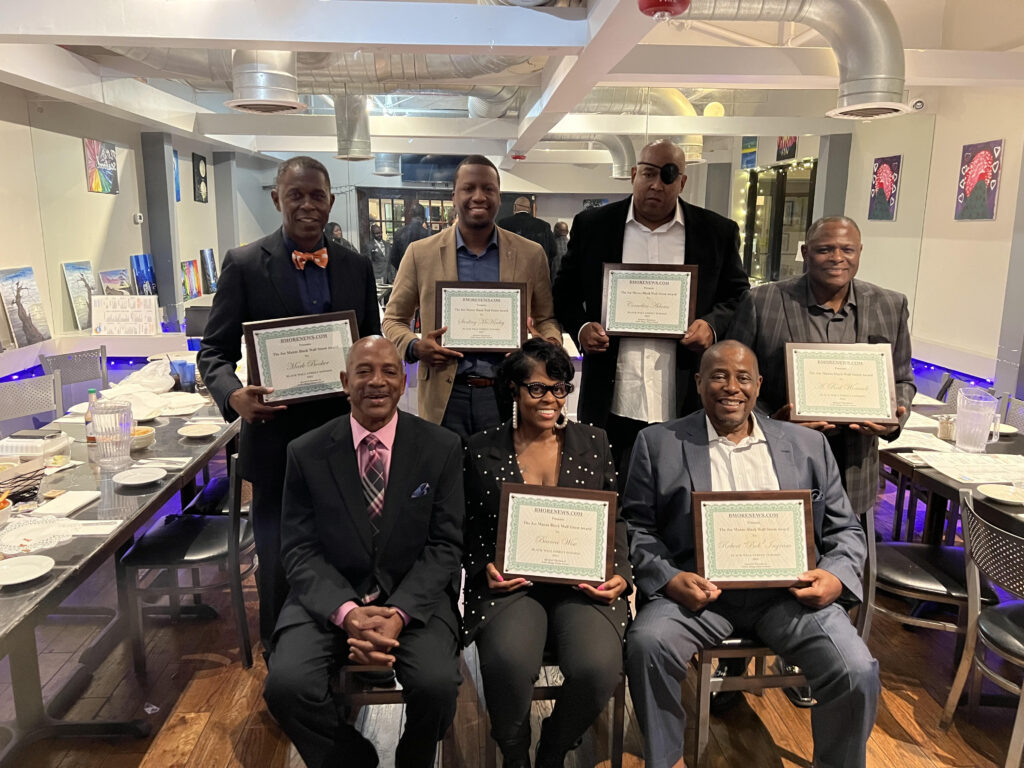
Sitting: Doni Glover, Bianca Wise, & Robert “Bob” Ingram.