


After decades of broken promises and outside control, residents call for transparency, oversight, and ownership of their future
(BALTIMORE – April 17, 2026) – When you depend on other people to do for you what you can—and should—do for yourself, you will eventually find yourself in the position of a beggar sitting on a bag of gold.
That is not theory. That is the lived reality of far too many Black communities in America—including Sandtown-Winchester.
For decades, Baltimore has been saturated with nonprofits, grant funding, and initiatives—billions of dollars flowing through the city in the name of helping Black communities. And yet, we are forced to ask a simple question:
Where did the money go?
Because if all that investment truly worked, Sandtown-Winchester would look very different today.
Instead, what we have seen—over and over again—is a cycle of outside control. Programs come. Leaders come. Promises are made. Money is spent. And then, just as quickly, they leave. And the community is left to deal with the aftermath.
That is not empowerment. That is dependency.
And dependency has consequences.
I have seen this dynamic not only here in Baltimore, but abroad—in places like Tanzania—where communities rich in resources are conditioned to rely on outside actors rather than build their own systems. Over time, that dependence becomes a trap. It delays development. It weakens institutions. It strips communities of control over their own destiny.
Baltimore is no different.
We have allowed too many outsiders—armed with funding, titles, and good intentions—to take the wheel in our communities. And when the results fall short, there is too often a lack of clear accountability.
That must change.
Let me say this plainly.
I raised concerns.
I raised concerns—privately and directly—that something did not sit right. What I observed was a pattern that felt, at times, patronizing and misaligned with the needs and voice of the Sandtown-Winchester community. The posture, in my view, reflected a disconnect from the people most impacted.
And now, many of those same concerns are being raised more broadly.
Community members have expressed concerns about financial practices and organizational decision-making, including questions about compensation and overall stewardship. There have also been concerns shared regarding whether basic obligations were being met during certain periods. These concerns, whether ultimately substantiated or not, go to the heart of trust between leadership and community.
And here’s the part that should trouble all of us.
Respected institutions—organizations with resources, influence, and a stated commitment to Black communities—appeared, at times, to side against residents raising concerns. I won’t name them here. But I will say this: I brought concerns forward.
The response I received was that we needed to “learn to work together.”
But working together cannot mean ignoring red flags.
When members of this community expressed that leadership did not reflect or represent their interests, those perspectives were, in my view, dismissed too quickly. That is what happens when people who do not deeply understand a community are placed in positions to make decisions about that community.
And too often, there is an assumption that they know better.
That is the real concern.
Because from where I sit, the people of Sandtown-Winchester saw this coming.
And felt unheard.
Which brings us to the present moment.
The following letter, submitted by members of the Sandtown-Winchester community, reflects concerns that deserve careful consideration. These statements represent the perspectives of community members and are shared here in the interest of transparency and public dialogue:
Dear Members of the Board of Directors and Executive Director,
We write to you as members of the Sandtown-Winchester community in Baltimore, in the spirit of transparency, accountability, and good faith.
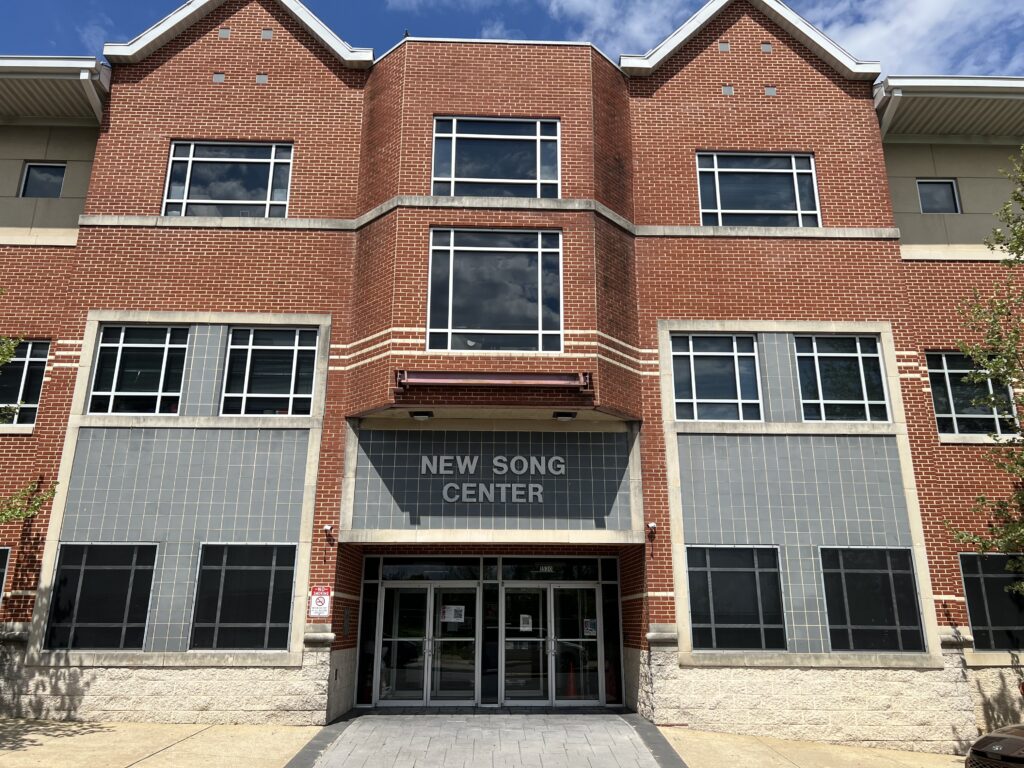
We have recently become aware of the hiring of Mr. Jayson Green in a leadership capacity within Baltimore Tool Bank. Given the importance of your organization’s mission and its impact on communities across the city, we feel a responsibility to share serious concerns based on his prior tenure as Executive Director of New Song Community Learning Center.
During his leadership at New Song, members of our community experienced what we believe to have been significant harm. Concerns raised at the time included a lack of transparency with stakeholders, including the community and the school system, regarding the organization’s operational status and financial health. Additionally, there were reports of financial mismanagement that ultimately contributed to the default on a loan with Fulton Bank, placing a critical community asset at risk.
These experiences had lasting consequences for Sandtown-Winchester residents, particularly families and youth who depended on the stability and integrity of that institution. The erosion of trust that followed has had ripple effects that are still felt today.
We share this information not out of malice, but out of a commitment to ensuring that organizations serving Baltimore communities are equipped with leadership that reflects the highest standards of accountability, transparency, and stewardship. We believe it is important that the Baltimore Tool Bank’s leadership is fully informed of past concerns so that appropriate due diligence, oversight, and safeguards can be considered.
We respectfully urge the Board to take these concerns seriously and to engage in further review, dialogue, and, if appropriate, community consultation. We are available to provide additional context or participate in a constructive conversation.
Thank you for your attention to this matter and for your continued service to Baltimore communities.
Sincerely, Concerned Members of the Sandtown-Winchester Community
That letter speaks for itself.
But let me be clear.
Sandtown-Winchester is not a testing ground. It is not a funding opportunity. It is not a stepping stone for leadership résumés.
It is a community.
And communities deserve transparency, accountability, and respect.
If you are going to lead in Baltimore—especially in historically Black neighborhoods—you must be prepared to operate in the light.
Because the era of blind trust is over.
At the same time, this moment calls for reflection within the community as well. We cannot continue to outsource our future and expect different results. Sustainable progress requires ownership—of institutions, of decision-making, and of long-term vision.
Until that happens, we remain vulnerable to decisions made outside of our control.
Sandtown-Winchester deserves more.
And moving forward, the expectation must be clear:
Transparency. Accountability. Ownership.
Nothing less.
___________________________________
RELATED ARTICLES