



(EAST GREENSBORO, N.C. – June 8, 2026) — North Carolina Agricultural and Technical State University has received approval to launch a Doctor of Philosophy (Ph.D.) program in bioengineering, becoming the first historically Black college or university (HBCU) in the nation to offer a standalone doctoral degree in the field.
The new program, housed within the university’s Department of Chemical, Biological and Bioengineering (CBBE) in the College of Engineering, represents a major step forward in N.C. A&T’s growing research enterprise and commitment to advanced STEM education.
The doctoral program builds upon the university’s pioneering undergraduate and master’s degree programs in bioengineering, established in 2010 and 2011, respectively — both the first standalone HBCU programs of their kind.
“This new Ph.D. program is a transformative step for the College of Engineering and for North Carolina A&T,” said Dr. Stephanie Luster-Teasley Pass, dean of the College of Engineering. “It expands opportunities for students to pursue advanced study at a leading HBCU while strengthening our capacity to develop researchers and innovators equipped to tackle critical challenges in human health and biotechnology.”
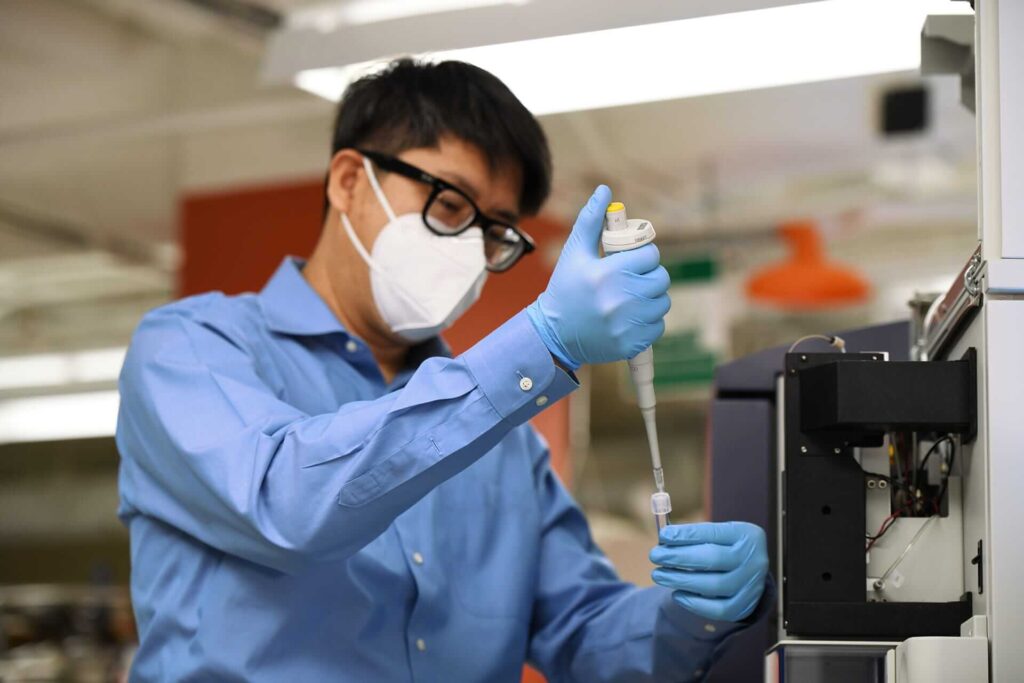
The program is supported by the university’s expanding research infrastructure, including the National Institutes of Health-funded Center for Neurovascular Engineering Research and adVanced Education (NERVE Center), led by Dr. Yeoheung Yun, professor and graduate program coordinator for bioengineering.
Designed to address growing workforce demands at the intersection of engineering, biology, and medicine, the doctoral program will focus on emerging areas such as cellular and tissue engineering, biomaterials, artificial intelligence, neurotechnology, neural engineering, regenerative medicine, and advanced medical technologies.
Two specialized concentrations will be offered:
- Neurotechnology and Neural Engineering
- Molecular, Cellular and Systems Engineering
“These concentrations align with some of the nation’s most important priorities in biomedical innovation and workforce development,” university officials said.
Dr. Jianzhong Lou, chair of the CBBE Department, said the approval reflects years of strategic investment in faculty, research capacity, and infrastructure.
“This approval represents years of sustained effort to build the academic, research and infrastructure foundation needed for a doctoral-level bioengineering program,” Lou said. “It addresses the growing demand for interdisciplinary expertise at the interface of engineering, biology and medicine.”
Graduates will be prepared for careers in academia, industry, government, and healthcare, including positions as faculty members, postdoctoral researchers, research scientists, and research-and-development leaders.
The new program also advances N.C. A&T’s long-term goal of earning Carnegie Research 1 (R1) classification, the highest designation for research universities in the United States. University officials say A&T already exceeds the criteria and is expected to receive R1 status in 2028, which would make it the first public HBCU to achieve the distinction.
Founded in 1891, North Carolina A&T is the nation’s largest HBCU and a nationally recognized leader in graduating African American students in engineering, agriculture, and other STEM disciplines.
Photo: Dr. Yeoheung Yun, professor and graduate program coordinator for bioengineering at North Carolina A&T, leads the NIH-funded Center for Neurovascular Engineering Research and adVanced Education (NERVE Center), a key component of the university’s expanding bioengineering research portfolio.