

(BALTIMORE – July 20, 2026)

Background
Baltimore is changing. The reduction in violent crime is primarily grassroots-driven and under-recognized.
The landscape and narrative around our community is literally like tectonic plates shifting beneath our feet. And the impact is seismic. The story has gone viral and praise is being showered upon several individuals in high places. My biggest problem with that is, the people most responsible for that seismic shift are rarely the ones you hear credited with these accomplishments.
In today’s political climate I want to reframe the conversation, not take a victory lap. Our reimagining of public safety must hinge on the people, not polished political narratives used for personal gain.
Baltimore City’s population is almost 600,000 people, with about 60% of our city being Black (almost 350,000 people) and over 30% of our people live below the poverty line in underfunded and overpoliced communities. In a majority Black city, poverty rates for Black residents here are twice as high as for white residents.
For the past 30 years we have consistently ranked in the top ten of the most dangerous cities in America to live in. As someone who was born here in the late 1980’s and grew up in the 90’s in the midst of the Crack Epidemic and the War on Drugs years, my generation saw a lot. We saw crooked cops that treated their badges like the gangs do their Shiesty ski masks or bandannas, as a license for lawlessness. We saw police abuse on some corners and near-daily shootings that erased friends, foes, and families from our neighborhoods on others.
When I was growing up it was common for us to have over 300 murders every year. Last year we had 133, the lowest number of homicides in the last 50 years. This year through the first six months of the year, we recorded 50 homicides, representing a 23.1% decrease from the same period last year, and the fewest killings recorded in the first half of a year in city history. These are lives lost and nothing to celebrate, even as the decline is a vast improvement. It’s still an accomplishment that many administrations over the last few decades have failed to accomplish through tough on crime policing policies to harsher sentences for Black and Brown people in the city where they make up the majority of our social and political capital. We still have a long way to go.
We have almost 20,000 vacant homes here in the city, mostly in poor Black communities. Our school system graduates only about 70% of its students. The odds have always been stacked against us, but despite the negative statistics, we are a resilient people in a resilient city, with a strong creative community of visionary leaders and brilliant minds. Our city is resilient and rising.
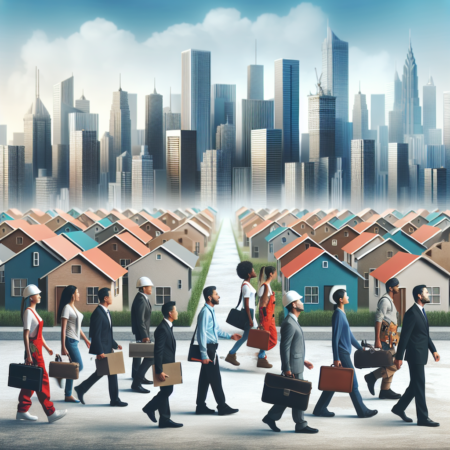
Despite our many adversities, Baltimore is now considered a city that is primed for new population growth. Outsiders have been moving here in droves for years. This current decline in violent crime, combined with the erecting of new houses, plus sizable investments in 21st century schools and Rec centers means that Baltimore is finally in a position where our population can start to steadily grow instead of decline as it has over previous decades. We are living through a historic and unprecedented re-writing of one of America’s most destructive community narratives, the lie that Black people in cities like Baltimore are inherently broken.
Current Climate:
-
Historic reduction in violent crime- more than any point in my lifetime, murders and overall crime rates have significantly decreased in Baltimore City. As of 2026, the city is experiencing its lowest levels of homicides in over 50 years, as well as reductions across most major crime categories compared to previous years. But there’s still so much work to do.
-
How far we still have to go- despite the drop in murders and violent crime, many people in our community still FEEL unsafe and unprotected. Many of the resources that our community needs in order to be healthy and sustainable are still missing. Many of our students are still underperforming in schools, and way too many of our young people are still being incarcerated rather than being employed. So much in our city still needs to change.

The Media Machine
One of the reasons that people still don’t feel safe in Baltimore despite our clear progress is because of individuals like David Smith.
David Smith is the Executive Chairman of Sinclair Broadcast Group. The telecommunications conglomerate is one of the largest television station operators in the United States. The company owns Fox 45 and The CW Baltimore, and has expanded to own or operate 178 TV stations and nearly 80 markets across the country, covering more than 40% of US households. They are responsible for many of the negative tropes & narratives that become national news and shape the perception of cities like ours throughout the country.
In 2024, Smith and Sinclair also purchased the Baltimore Sun newspaper, and since his acquisition, the newspaper has pivoted from balanced journalism to focusing most heavily on sensationalized local crime stories and adopted a much more conservative, right wing posture in its editorials and op-ed articles. David Smith told Donald Trump back in 2016 that his company was “here to deliver your message”. And since his purchase of the Baltimore Sun, he has proven to be a man of his word in that regard.
It’s important to explain David Smith’s influence and his role in acquiring newspapers like the Baltimore Sun across the country. Smith is an embodiment of the insidiousness of Donald Trump’s impact because he has made himself a tool for the president to use to tear down the media landscape and build it back up in his own image.
Many in the Black community expected changes after the acquisition. The Baltimore Sun has always had its problems when it came to community commentary and false narratives about Black communities in particular. But it was still relatively balanced. Real journalists with solid morals and ethical standards still worked there and brought us important stories. Most of those journalists are gone now, and what this historic newspaper has now been reduced to is an embarrassment to journalism. They are nothing more than fear-mongering, provocateurs of sensationalized tropes and bigotry when it comes to covering the Black community.
But we need to also pay attention to who they are propping-up and what political agendas they are serving by doing so. Nobody expects objective journalism from the Baltimore Sun anymore, but during polarized political times such as this, it’s important that we pay attention to exactly how they are moving now.
How should we respond? We shouldn’t be doing interviews with that newspaper anymore. We shouldn’t be buying them or supporting them with our subscriptions. We shouldn’t be clicking on their online articles or engaging with their social media accounts in any way other than to condemn that institution of trash journalism for what they have become. As sad as it is for the field of journalism itself, we need to allow this newspaper to die a slow and painful death of irrelevance because of the decisions of its leader. They are now an enemy to progress because their coverage has contributed to harmful perceptions that undermine public trust and community-led solutions. 
Earlier this spring, the Maryland state legislature passed a bill that ended the practice of automatically charging kids as adults. In response, the usual suspects of right wing media outlets made their opposition very clear. From Fox 45 to the Baltimore Sun, local law-enforcement leaders, and prosecutors all opposed this decision. In reality, Maryland still ranks number two behind only Alabama in the number of kids that we charge as adults every year.
Now this law has yet to go into effect, but the same conservative media outlets are now actively cherrypicking stories about every notable Black youth arrest and blasting them out to the public in an effort to fearmonger people of Baltimore into believing the lie that we have an existential youth crime problem when in fact, the numbers of violent crime complaints and violence amongst youth are at historic lows. Youth violence exists, as it always has, but data does not support claims of a youth crime epidemic in Baltimore right now.
Because of the fact that we all have cell phones in our pocket with access to the Internet, we get every story about our youth that these media companies push across our social media feeds in real time. Back when many of us grew up, if violent incidents didn’t make the local nightly news, we didn’t hear about them. But now, you hear about everything. And when many outlets compete for clicks, sensational coverage spreads quickly.
David Smith and Sinclair media are exactly the devils that we’ve been saying they were this entire time.
There is no real Black representation at the Baltimore Sun or Fox 45 anymore with any real influence, certainly nobody willing to speak truth to power. They’re not even getting hired unless they are willing to parrot the talking points of racist, capitalist, conservative propaganda that would rather see Black communities mass incarcerated before being allowed the opportunity for true self-determination.
Even during this time of historic crime reduction, most of their articles and stories still focus on the problem of Black youth and crime in Black communities while vilifying the very same elected leaders who have introduced policies that have contributed to the violence reduction. They’re still trying to cling to whatever remnants or vestiges remain from the dark narratives of Baltimore’s yesterday.
Even social media influencers have jumped on the trend of focusing on Baltimore’s problems without acknowledging the work being done to address those problems as well as all of the positive characteristics that make the city so great. They do that because they know it will drive engagement, and that’s because there is a highly invested audience that so deeply desires for Baltimore to remain a punchline in their decades old political talking points that get recited each election cycle.
 Narratives Matter
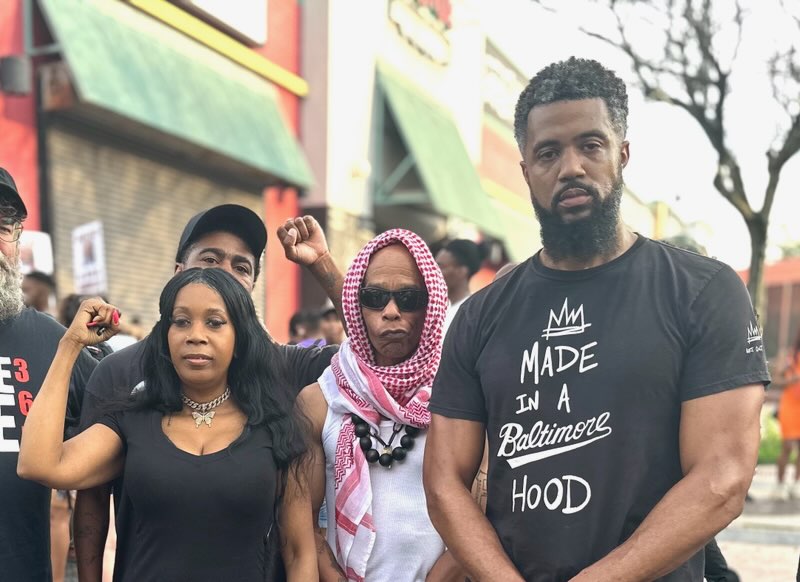
When the media does tell the story of this change in our city narrative they usually do so through the lens of our political leadership. They point to our Mayor and his new innovative policy of harm reduction. They talk about our Governor and his bold ideas. Some even give credit to our State’s Attorney’s office, and their high clearance rate (I’m not one of them).
But that’s all only part of the story. Change doesn’t happen through osmosis, especially change of this magnitude. It doesn’t simply fall from the sky in response to our many years of prayers and pain. It’s not created solely by political policy either, you can’t simply legislate your way to safer streets. If that was the case, then the goal would’ve been accomplished a long time ago. And public safety definitely isn’t created by the police.
By the time the police are called, a crime has already been committed. And we definitely don’t trust them to engage in the real preventative measures that stop crime from happening in the first place. Real change and the power it takes to create it resides where it always has, in the hearts and hands of the people.
Creating change in our community requires more than a good Mayor or better police officers. It requires leadership on so many levels and from many different individuals. It requires all people in our community leading by example to create the changes that we need together.
 In order to fight against the narratives that these media outlets are pushing, it’s important to create counter narratives to offset them. We need to be telling the stories of Black accomplishments, Black innovation, and Black collective action. We need to tell stories about Black love, joy, food, culture, and history that our enemies are trying to ignore or even erase. We create culture, we control cool. We must use that power intentionally to tell fuller stories.
That starts with you and me. How can you lead at your age and where you are at this moment? How can I be more accountable to my community? We start by leading in our hearts, then by leading in our homes, then we lead in our classrooms and workplaces, and that prepares us to go out and start leading in the community.
What is Our Grassroots Leadership?
Leadership is the process of guiding and influencing individuals or groups toward a shared vision or a common goal. It involves skills like communication, motivation, decision-making, and collaboration, to achieve better results than we as individuals could accomplish alone. Leadership is love in practice, and the best leaders practice a Love ethos that exemplifies the combined forces of care, respect, knowledge, and responsibility.
Effective leaders possess qualities like vision, integrity, self-awareness, critical thinking skills, and resilience, inspiring others to act, solving problems, and when they reach their full potential they create communal safety, success, and positive change for the people in their care.
But we need to see more examples of loving leadership by people who care about everyone in our community, especially those that reside on the margins. The leaders I write about in our next segment are great examples of that love ethos and communal care put to practice through their actions in our city every single day. 
The Real Faces of Change in Baltimore:
Below is a list of 10 individuals and five grassroots organizations that I feel are the bedrock of our city’s transformation in public safety. This list is just a small snapshot of the vast landscape of Baltimore Grassroots organizing. I’ve spent time and put in work with every single individual & organization on this list, I’ve seen their collective impact firsthand, and from my vantage point they are the individuals and organizations that need to be given the funding, resources and opportunity to expand their visions to serve more individuals in the city which will lead to even more transformative reductions in violent crime.
When you look at the history of Baltimore, we’ve always invested in policing and punitive punishment. And that response has never made us more safe. In actuality, it was our social and political response to that era of poor policies and bad policing that led to a shift in how we address public safety. It was Black political agitation on the ground between the uprising in 2015 and the widespread protests in 2020 that pressured our policy makers into investing more in community responses to violent crime. We forced the federal government, the state government and the local government to prioritize grassroots resources being directed to our most problematic areas, specifically our community based violence prevention organizations.
Many of these organizations are made up of individuals that were themselves, formerly incarcerated gang members and people that were involved in negative aspects of the streets. But rather than throwing them away, we have finally started investing in them and mobilizing them as credible messengers and violence interrupters in our most violent neighborhoods, and they have had a great deal of success along with a fair share of adversity and political opposition that they’ve had to overcome in the process. But there is no doubt that they have been effective. In some areas we’ve seen as much as a 50% reduction and violent crime since they started patrolling the streets. In other spaces, we have celebrated over a year without a fatal incident. That progress cannot be ignored.
Get to know some of the real faces of change in Baltimore city:
Errikah Bridgeford– an activist who founded the Baltimore cease-fire movement. She worked to get Maryland’s death penalty law repealed in 2013, and organizes quarterly 72 hour Baltimore cease-fire weekends. She started the Baltimore cease-fire movement in 2017 in hopes of reducing violence. She visited sites where community members had been killed and blessed them as sacred spaces, conducting the rituals among community members and praying for peace upon our neighborhoods. She did this consistently for months and people from across the city started to get involved. What she ended up doing was starting a moment that grew into a movement. Her Baltimore Cease-fire weekends are now celebrations of communal love and Black joy. She now serves as the executive director of the Baltimore community mediation center and is able to train and deploy licensed mental health practitioners as violence disruptors across the city.
Captain Andrew Muhammad– Captain Andrew is the executive Director and founder of The We Our Us movement and the founder of Baltimore Brothers, a male mentorship program that does profound work with young black boys in Baltimore city. Captain Andrew is on the front lines of our most violent communities every single day through his work with the Nation of Islam(NOI), We Our Us, Baltimore Brothers, and so many other capacities that he serves in. He works with youth and adults alike in our communities. He has a strong program in the prison system, helping to reform the minds of incarcerated brothers as they make their transition back to society. He helps Black folks get housing, food, mental health services, and so many other resources every day. But one of his greatest superpowers is that of a violence disruptor. He’s a trusted and consistent presence in the neighborhoods where violent crime happens most. He does community patrols daily with the NOI and We Our Us brothers, there’s not a hood in Baltimore city that he hasn’t had a presence in. He’s the epitome of boots on the ground. He has relationships with many of the young kids on the block. They trust him to provide a safe space for reconciliation in order to avoid triggers getting pulled. He’s a true Baltimore hero.
Lisa Molock– Lisa is the chief executive director at Let’s Thrive Baltimore. She works with gun violence survivors in Baltimore city and is also a youth activation specialist, building youth in leadership teams here in the city. She grew up one of five children and ran away from home at 12 years old. She turned her adversity into her testimony by turning down an opportunity to make six figures to start Let’s Thrive Baltimore, where she serves youth on the margins every day here in Baltimore city. The kids in her program move in unison wherever they go like a mobile village. To some she is a mentor, to some a big sister, to some she is mother, but to all of them she is love. Her ability to connect and relate to those impacted by neighborhood violence is unmatched.
Chairman Elijah Miles– Chairman Elijah is a grassroots community leader, and the chairman of the Tendea family, a violence and youth development organization based in Baltimore, Maryland. Born and raised in East Baltimore, he founded the organization to fight for neighborhood improvements, run after school safety patrols, community cleanups, and combat homelessness. His organization, the Tendea family operates under the philosophy “Our Hood is our Job and Our People is our Purpose.” The organization takes a grassroots approach to community organizing where they focus on community engagement instead of leaving the city. They have a Tendea servant leaders program for local teens which offers paid summer learning internships and mentorship. They also host regular rallies for peace and host community conversations to address neighborhood violence.
Terry “Uncle T” Williams– Founder of Challenge 2 Change, in East Baltimore based nonprofit organization that mentors at-risk youth and helps them avoid violence. Uncle T started serving in 2017 following the tragic loss of his son to gun violence. He turned his pain into purpose by starting his mentorship program to honor his memory by saving the lives of young men just like him. His program focuses on boys and young men, typically between the ages of seven and 17, as well as young adults. He opened the C2C center, which houses a computer lab, dance studio, conflict resolution space, and a gun prevention program. He uses mentorship, summer camps, and afterschool programs to teach financial literacy and provide a safe haven away from the streets for the young men and women that utilize his center and his programming. Since getting to know him over a decade ago, I’ve seen him transform the lives of countless young men that society was hell bent on throwing away. I’ve seen him embrace young men that were on the edge of crashing out and changed their heart posture with his relentless compassion. I’ve seen him break through walls a mile high to reach youth that didn’t know how to receive love from a Black man. Because they had been let down, hurt, violated or abused so many times before finally meeting a man that showed them love, consistently, and without expectation or conditions. There’s not a gangster, pastor, or politician that doesn’t treat him with respect on every corner or corner office that he enters because his reputation precedes him. This man has taken guns out of the hands of killers and walked them kicking and screaming down the path of redemption. Every hood needs an Uncle T.
Torrey Smith– Torrey is a former NFL player who played for the Baltimore Ravens, San Francisco 49ers, Philadelphia Eagles, and Carolina Panthers. He’s also a two-time Super Bowl champion. We met while playing as opponents in the league, but we connected off of the field as Black men that love the city of Baltimore and have a passion for serving our youth. In 2020 we came together and reopened the Hilton Rec Center in West Baltimore, the building had sat vacant for over 15 years before we were able to get it back up and running in partnership with Baltimore Rec and parks. Torrey was instrumental in setting up free summer and winter camps, and I oversaw after school programs and many of our community based initiatives. We served hundreds of young Black kids from West Baltimore neighborhoods between 2020 and 2023 when we were blessed to be able to break ground on a $27 million expansion of that rec center thanks to a historic public private partnership between the Baltimore Ravens, Under Armour, the Boys and Girls Club, and other private donors. After reopening the center at the beginning of the school year we have just completed the first full school year of free programming for west Baltimore youth since the expansion. Torrey is also now a youth football coach and the founder of the Level82 brand where he has coached, mentored, and supported hundreds of youth, giving them athletic opportunities and the chance to get recruited by top colleges. But he’s an even better mentor and molder of young men. He supports so many local organizations and causes from behind the scenes that his impact will forever be felt here in the city. I’m proud to call him my brother.
Brittany Young– Brittany is a retired engineer, educator, professor, and Baltimore native. She programmed nuclear power plants, developed medical devices, and planned satellite exploration, but found the most satisfaction in her roles in education, problem-solving and service to her community. After the incarceration of her minor brother being charged as an adult, she decided to create solutions to funnel young talent to something productive, which resulted in her creating Baltimore B-360. B-360 is an organization that utilizes dirtbike culture to end the cycle of poverty, disrupt the prison pipeline, and build bridges in our communities. Through STEM education, policy advocacy, community engagement, workforce pipeline, and events, the organization is changing the perception of both engineers and dirtbike riders by using a Baltimore culture staple to introduce Black youth to the world of engineering..
Dayvon Love– Dayvon is a Baltimore based political organizer and The Director of Public Policy for Leaders of a Beautiful Struggle (LBS), a grassroots think tank that advances the public policy interest of Black people. LBS has also led legislative and advocacy efforts regarding criminal justice reform, liberatory approaches to youth development, and reparations. They have organized and mobilized voters in important districts behind candidates with solid platforms. Dayvon is also an author and public intellectual. Dayvon is a treasure here in Baltimore.
Big Fred– comedian Big Fred (Fred Watkins Jr.) is a prolific Baltimore born and bred stand-up comic, community activist, and founder of the BIG Laughs Company and Lil’ Laughs Corporation, an anti-bullying program that uses bullying to build youth confidence and serve as a tool for violence disruption through redirection. He makes his programming available to youth in the community as well as through the school system. In addition to his antibullying work he also supports grassroots initiatives and uses his comedy to rewrite narratives about the Black community.
Tawanda Jones– The sister of Tyrone West, an unarmed Black man who died in an encounter with Police back in 2013. An infamous audit report from the Chief Medical Examiner found that West’s death should have been ruled a homicide. Tawanda has since emerged as a leading voice in the movement to end police terror. As more people learned her story, she gained support from across the city in her war for accountability against the police department. She has held over 100 consecutive West Wednesday demonstrations demanding justice for the victims of police brutality. She also helped to increase local awareness of police violence, helping to set the stage for a community response of collective action following the death of Freddie Gray.
We Our Us– an interfaith organization of men from different places and backgrounds in Baltimore, who focus on consistent and collective action to strategically assist people, especially boys and young men, and obtaining resources that help guide them to productive pathways and move their goals forward from a unified energy. They step into conflict to help calm down situations and open space for conversation, and work towards reconciliation before harm is done.
Safe Streets– Safe Streets was established in 2007 as an evidence based, public health program to reduce gun violence in Baltimore. The program is modeled after the Chicago-based Cure Violence program, which employs outreach professionals to mediate brewing conflicts that could result in gun violence. Safe Streets workers, focus on community outreach, public education, conflict mediation, and violence interruption within a specific geographic area. Safe Streets workers and violence interrupters put themselves in front of firearms every day to de-escalate potential situations and mediate the conflicts before they become violent. Their team members can establish relationships with people in the streets who are classified as high-risk and connect them to life-changing resources before they commit a crime or harm someone. Each summer, Safe Streets sites hold Safe Summer events to mobilize resources and support neighborhoods across Baltimore. These events are focused on addressing the root causes of violence, empowering communities, and promoting peace throughout the summer.
THE P.E.A.C.E. TEAM– The mission of THE P.E.A.C.E. TEAM is to liberate Baltimore city residents from poverty, crime, and violence through education, mediation, and community organizing. They do their violence intervention using credible messengers to resolve conflicts, intervene before violence occurs, and connect people to needed resources. Their model includes three primary components: communicating directly with leaders coordinating criminal activities in identified communities, daily messaging to young people at risk of involvement with violence, and implementation of community building events. Their primary goal is to decrease the number of shootings and murders in identified communities. Their thoughtful strategies of community engagement are key in identifying who the people committing crimes are, and addressing the root causes of them committing those crimes and connecting them to resources, jobs, and housing that eliminates their need to prey on the community.
I AM MENtality– Founded by Darren Rogers, I AM MENtality is one of Baltimore’s Premier Black male youth mentoring programs. They serve over 400 Black male youth ages eight through 18 throughout their leadership Academy with the focus areas being leadership & workforce development, financial literacy, and health & wellness. They are founded on a different belief system than most organizations. Before they teach a young man anything, they find out where he actually is, what he needs, and what is holding him back. They call it backwards mapping and it’s the reason many of the young people in their care experience real lasting change instead of just completing a module and moving on. This program has been instrumental in getting many Black and Brown boys mentored through high school and accepted into colleges across the country.
CLLCTIVLY– Founded by another Baltimore hero, Jamye Wooten, CLLCTIVLY is a Baltimore rooted ecosystem, cultivating collective imagination, mobilizing resources, and amplifying stories that shape liberated Black futures. Grounded in ancestral imagination, they strengthen Black-led organizations and community power by reducing fragmentation, deepening connection, and building shared futures, rooted in abundance, reciprocity, and self-determination. Their roots trace back to 2015, following the death of Freddie Gray, when a Baltimore united for change emerged from grassroots leadership to mobilize a community response. In the days after the uprising, a community skills bank activated, hundreds ready to serve, leading to rapid, people-powered action. These efforts revealed the need for trusted shared infrastructure, laying the foundation for CLLCTIVLY’s launch in 2019 to sustain Black-led collective action. They have a mission to amplify and sustain Black-led, social change organizations, they operate as a resource-sharing and narrative-shifting platform, rooted in Black genius and innovation. They also invest in community driven solutions advancing social change in Baltimore; since their inception they have supported more than 250 organizations, distributed over $7 million in direct funding, and mobilized resources to strengthen Black-led initiatives.
A lot of our leaders in our local street teams and violence interruption units have seeds of their consciousness that are deeply rooted in African psychology. The idea of not throwing our people away, but pulling them in and redirecting their energy to something positive is a tenant of African psychology. Restorative justice is also a key component of African psychology. We need all of these ideas to be embraced as we look to introduce so many of our incarcerated citizens back into society.
How We Treat Each Other Matters
Change starts with knowledge of self, self-love and self-reflection. In our hood, Saying “I love myself” as an act of protest. Radical self-love and community love is the ethos that has helped transform our city more than any political policy or policing strategy. Because if we can’t treat ourselves with love and grace how are we ever going to be able to give it to others? Right after ourselves, our communal leadership model starts with how we treat others.
Are we kind to each other? Are we decent to each other? Are we understanding and empathetic with each other? Do we really want what’s best for each other? Do we find loving & creative ways to challenge each other to be the best versions of ourselves that we can be ( the same way we find the most creative and original ways of joking with one another)? Do we know how to serve each other? And if not, how can we learn together?
Results of Re-Imagining
2026 Crime number as of July 1:
-
Homicides: Down nearly 23%.
-
Nonfatal Shootings: Down approximately 2.5%.
-
Carjackings: Down 43%.
-
Burglaries: Down 16%
-
Robberies: Down 13%.
-
Auto Thefts: Down 29%.
-
Aggravated Assaults: Down 11%
-
Number of fully renovated Rec centers: 8
The 50 homicides recorded as of early June 2026 represent the fewest homicides on record for that time of year since at least 1970.
New Policies
-
Group Violence Reduction Strategy (GVRS): A partnership between law enforcement, community groups, and prosecutors that focuses on the small network of individuals most likely to be involved in violence. It balances offers of social services and life coaching with accountability and prosecution for those who continue criminal activity.
-
Community Violence Intervention (CVI) Ecosystem: The city works with community violence interrupters (such as the “Safe Streets” program) who mediate potentially violent conflicts before they escalate.
-
Increased Clearance Rates and Prosecutions: The Baltimore Police Department’s homicide clearance rate has improved significantly, (60% up from 54% according to the Mayor’s office) and the State’s Attorney’s office has focused on the consistent prosecution of repeat violent offenders.
Cracks in the Foundation
Now our system of governance, policing, and community investment is far from perfect. I’ll be the first one to admit that. I’m also the first one to push our policy makers as far as possible to step-up to the plate to support these types of initiatives that address violence but also addressing the root causes of violence and building up the social safety net that we all depend on.
As an abolitionist, I don’t believe in our system of carceral punishment as it currently exists serving any purpose, other than feeding the prison industrial complex along with fueling the machine of American empire and imperialism. I believe in the restorative justice model of accountability within our communities. I believe in centering healing and reparation with those that have been harmed. So there is so much about our current system that I both condemn and disagree with.
But one thing that we cannot allow ourselves to do is to be blinded to all the progress that we have made in such a short period of time, not because of policing, we’ve been investing in that blindly for years with no sustained effect on public safety. This change is happening because of us, the people within our communities that are finally starting to buy into a re-imagining of our city and our communities for the better.
But that reimagining is never possible without investment. So we, the people, are still the ones holding the power, not just in our votes, but in the systems and the solutions that we are able to create ourselves. We need to use the results of investing in alternatives to policing to get our policymakers to redirect more funding from the city budget into community based solutions. We also need to place more value in the support that we are able to pour into one another as we work towards creating those solutions together.
Creating the Future
If people simply attribute this reduction in crime to the Mayor’s policies or the State Attorney’s proficiency, we’ve missed the point entirely. That way of thinking takes us back to the dark draconian days of maintaining the broken status quo. It also takes the pressure and accountability off of us as individuals within the community to contribute every day towards our political, economic, and social solutions. And most importantly, it renders years of work by many of us on the front lines pointless if we can’t get our people to buy into this social experiment of reimagining our community together.
Progress is never linear. We had to pressure our Mayor into making many of these investments in both policy and practice. We have to push our State’s Attorney daily to prevent him from taking us back to the old days of bad policies and worse policing practices. It’s our job to hold our policy makers accountable to the future that we want for ourselves and for our children. They work for us. And if we relinquish that responsibility, things won’t continue to get better.
But that doesn’t have to be our story. We can continue to rewrite history, not by depending on a broken system of government to be our saviors, but to take the power back for ourselves by really getting invested in creating the future through how we live our lives today. We can be more intentional about how we treat each other and who we give our votes, our support, and our dollars to.
We can reject the false media narratives about our community in place of crafting our own counter-narratives that tell our stories our own way. We can support citizen journalism in our community like the Baltimore Beat, BMORENews, and other individual news outlets, and content creators that value our communities the same way we do.

The days of putting individual leaders or organizations on a pedestal as our saviors are over. The president and his gang of right wing cronies have weaponized the federal government against anything and anyone that is openly and defiantly seeking to uplift Black people and Black communities. We need all of our people on code and deeply engaged in this war for our collective survival.
Not everybody’s role is going to be as an activist, a politician, or organizer. But we should all be informed about what’s happening, understand how it affects us, and be actively engaged in creating or supporting solutions that will address these problems going forward. We are living through a time that requires us to adopt a more radical social and political imagination to create the sustainable solutions that we need to address the biggest problems. After reading about all these amazing individuals and organizations that are doing the important work, I hope you are inspired to volunteer, donate, support, or join in the important work yourselves. They all can use your help, it takes a village.
We can all be pressuring our policy makers to expand support and funding for the individuals and organizations that I’ve highlighted in this piece. But we also should have a stronger presence at city council and PTA meetings, community association meetings, townhalls, forums. Wherever we have a chance to contribute to making these systems better and more accountable to us, we should be.
In order to create real change, you need three things working together. You need your artists, creatives, and visionary thinkers who can imagine society in a way that it hasn’t yet been before, you need your academics, intellectuals, organizers and strategists who can figure out the process of how we go from where we are to where we want to be. Then you need your warriors and fearless soldiers that are brave and courageous enough to go out into the world and make it so. We don’t have to do it all, but all of us have a role to play.