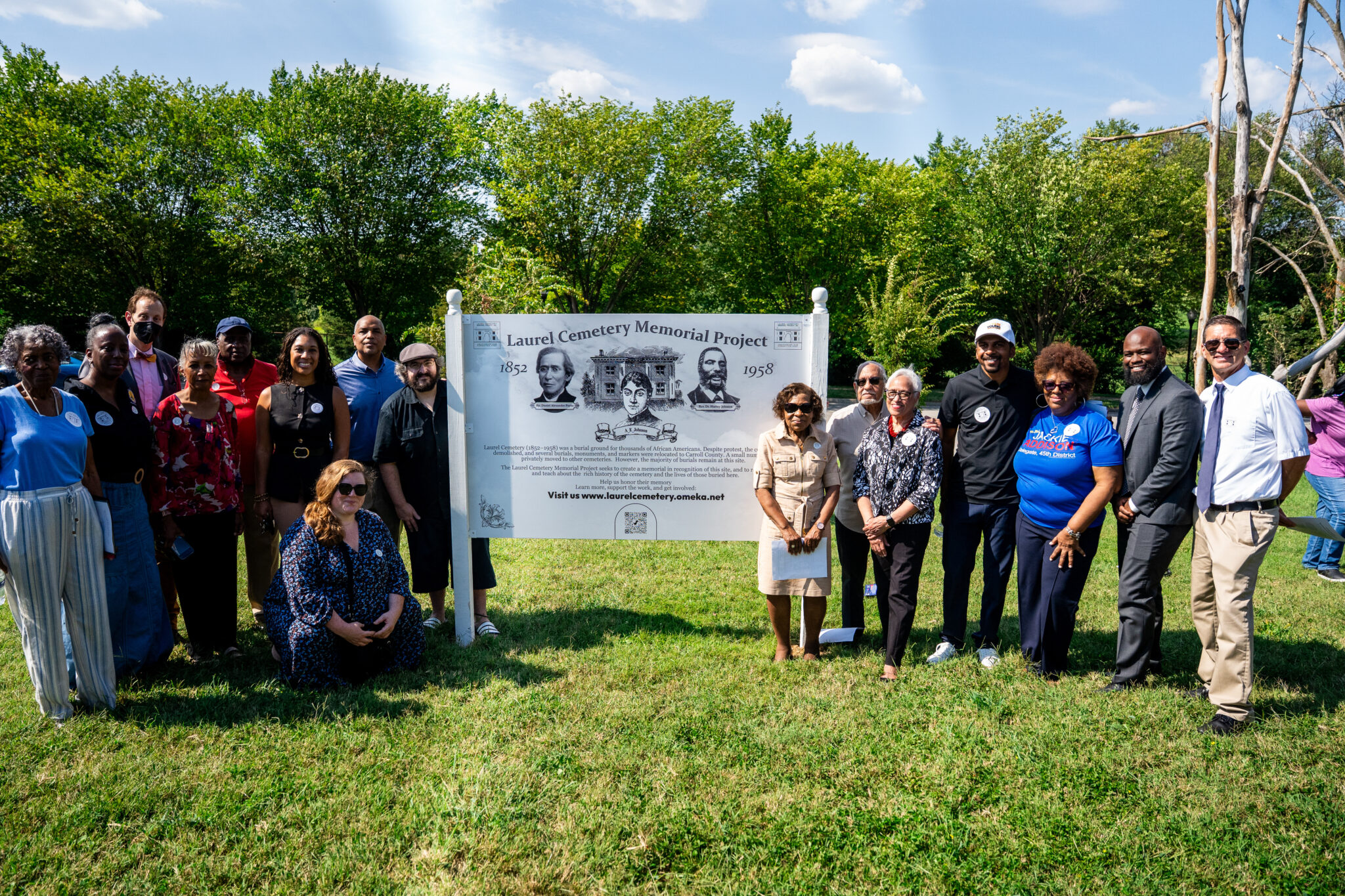





(ANNAPOLIS, MD – August 7, 2026) – I voted to place the Maryland redistricting amendment (House Bill 2100) before the people of Maryland not because we were drawing congressional district maps or deciding who wins or loses an election. We voted to allow the people of Maryland to answer a constitutional question because, in a democracy, there is no higher authority than the people themselves.
As Chair of the Legislative Black Caucus of Maryland, I have consistently said that our Caucus supports clarifying the constitutional framework surrounding congressional redistricting and resolving the ambiguity created by the Battaglia decision. We also recognize that the principles governing elections to the Maryland General Assembly are not necessarily identical to those governing representation in the United States Congress.
Much has been said about maps, politics, and future elections. But the amendment is not a congressional map. It does not draw a single district or move a single voter. It simply asks Maryland voters whether they agree that our Constitution should clearly distinguish between the standards governing legislative districts and those governing congressional districts.
That distinction matters.
Following the Battaglia decision, uncertainty emerged over whether provisions of the Maryland Constitution written specifically for General Assembly districts should also apply to congressional districts. Regardless of where someone stands on that ruling, uncertainty in constitutional law serves no one—not voters, legislators, or the courts. Our responsibility is to provide clarity, and that is exactly what this constitutional amendment seeks to do.
This amendment does not redraw congressional districts. It does not conflict with the United States Constitution, the Voting Rights Act, or any federal protections that govern redistricting. Those safeguards remain fully in place. What this amendment does is clarify what the Maryland Constitution does and does not say.