



(BALTIMORE – May 8, 2026) – Baltimore has heard this before—new leadership, new plans, new promises. The language changes. Too often, the outcomes do not.
For too many of our children, school still means reading below grade level, struggling in math, and feeling disconnected from a system that should be opening doors. Despite years of investment and effort, that reality has not changed enough.
Now, with the appointment of Dr. Jermaine Dawson, Baltimore has another opportunity. But this moment must be different.
Baltimore does not need another strategic plan. It needs a clear public commitment to what will change—and how we will know.
Call it a manifesto.
Not a glossy document filled with aspirational language, but a straightforward set of expectations backed by action, accountability, and measurable results. Something families, educators, and taxpayers can point to and say: this is what success looks like.
Because the truth is, the system has struggled to produce consistent progress. Literacy rates remain low. Math outcomes continue to lag. Attendance remains uneven. Teachers continue to cycle in and out of classrooms.
These are not isolated failures. They reflect deeper structural problems in how the system operates.
That is not about blame. It is about honesty.
As an educator and system leader with more than three decades of experience across urban school systems—from Baltimore and Washington, D.C., to Chester, Philadelphia, and Wichita—I have seen what real progress looks like. I have also seen what happens when systems stall.
The difference is not vision statements. It is execution.
Baltimore’s students do not have time for another slow rollout. They need urgency, clarity, and a system willing to confront hard truths about performance.
To his credit, Dr. Dawson has already touched on something important: return on investment.
In a recent public comment, he put it plainly—if you put a dollar in, you should expect more back, not less. Not seventy-five cents. More.
That principle should guide every major decision moving forward.
Baltimore has invested heavily in its school system, including in its leadership. That investment should produce results. Not eventually. Not in theory. In practice.
Understanding the numbers matters—not simply to track performance, but to drive decision-making. Data should tell us where students are improving, where they are not, and what must change. If the numbers are not moving, then neither is the system.
So what would a real reset look like?
Start with transparency. Families and educators should be able to see clearly how schools are performing—not just citywide averages, but school-by-school realities.
Next comes accountability. Everyone in the system should be aligned around measurable goals: reading growth, math progress, attendance, and student engagement.
Then there is instruction. What works in one building should not remain isolated in one building. Effective practices must be scaled across the district.
Student support must also become foundational, not supplemental. Mental health services and behavioral supports cannot remain secondary priorities in a city where many children carry trauma into the classroom every day.
And none of this works without authentic community engagement. Families, educators, students, and neighborhoods must feel connected to the process—not simply informed after decisions are made.
Finally, there must be a timeline. What should improve in six months? One year? Two years? The public deserves clarity about what progress should look like and when it should happen.
Leadership now is not about managing the system. It is about changing it.
Baltimore already has the talent, the resources, and the urgency.
What it cannot afford is more time.
Because Baltimore cannot wait.
I write this not simply as an observer, but as an educator and leader who has spent a career inside systems like this one—and who knows they can improve when we insist that they do.
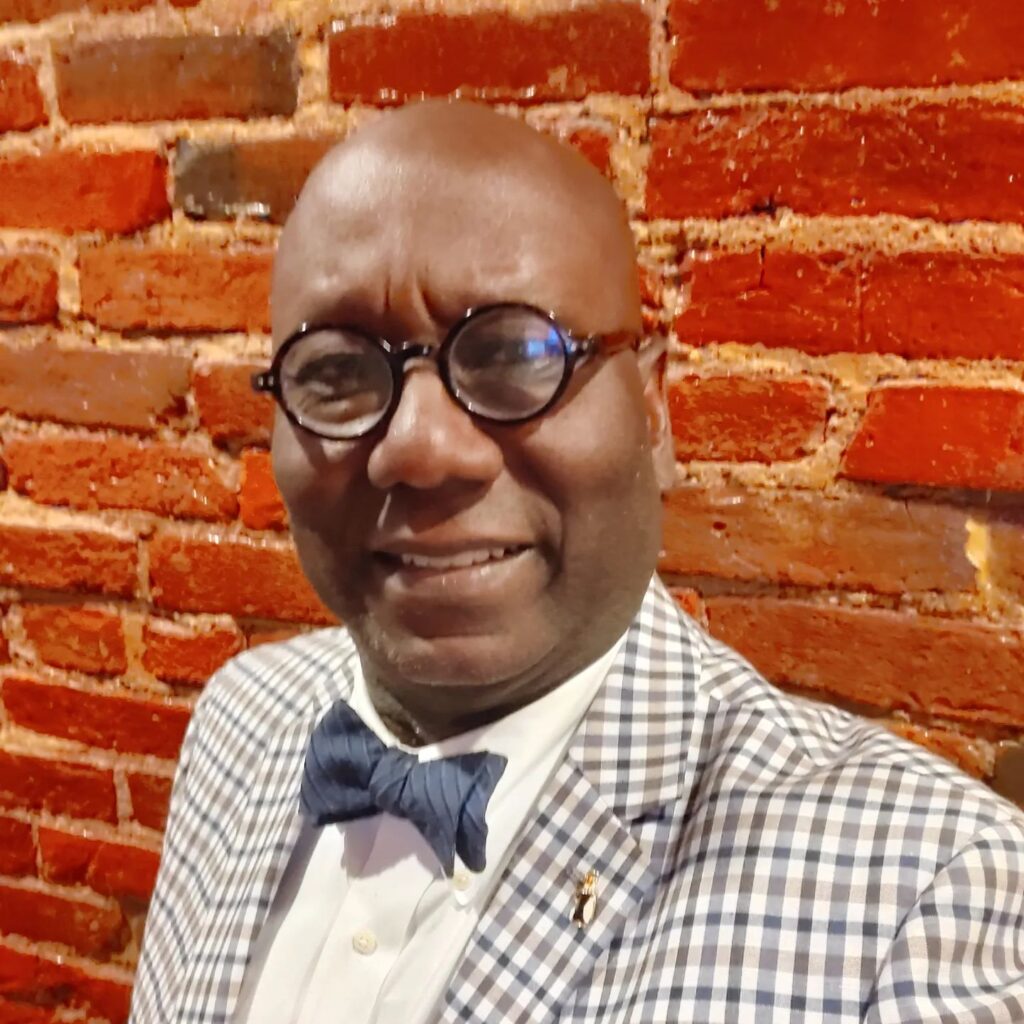
Dr. Kevin W. Parson is an urban education leader with more than three decades of experience across Baltimore, Washington, D.C., and other major school systems. He serves as Director of Student Support and writes on education policy, accountability, and urban school reform.