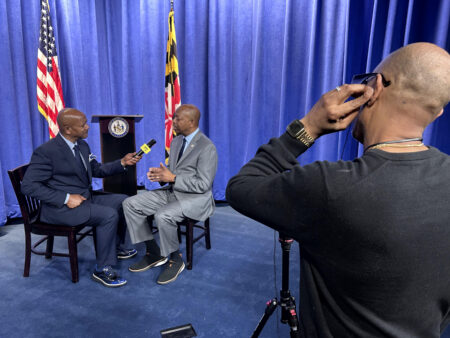

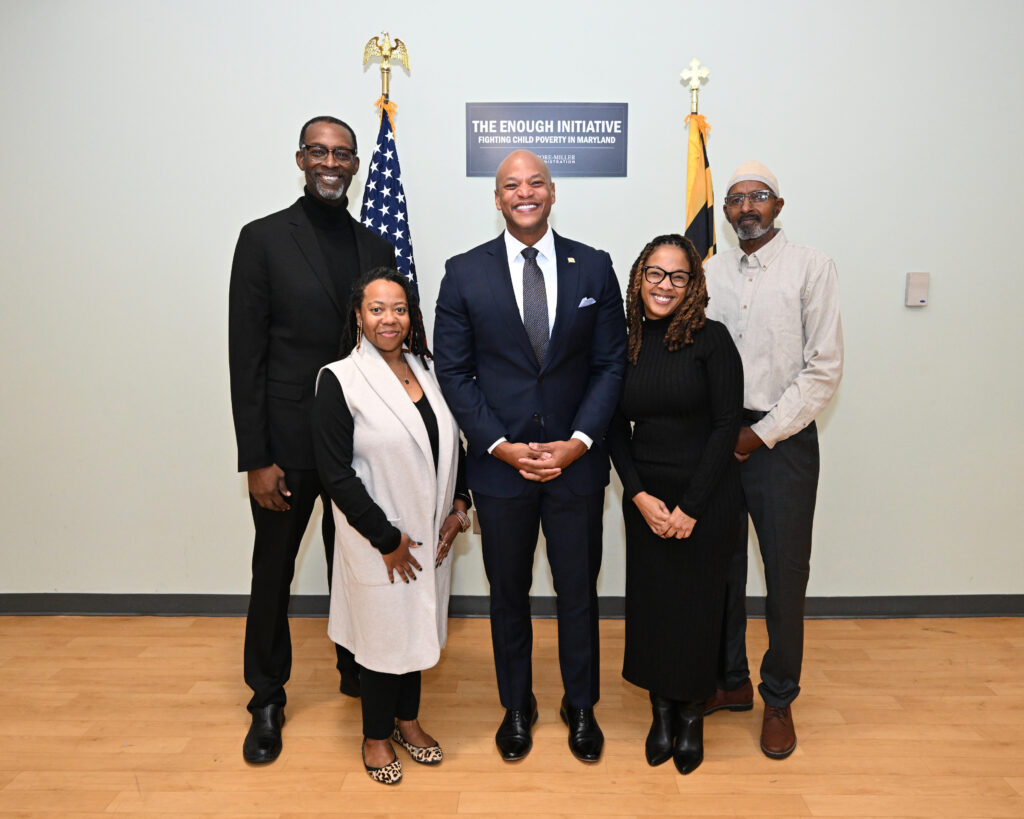
(BALTIMORE – December 12, 2025) – Governor Wes Moore just announced more than $19 million for Year Two of the ENOUGH Initiative, and I want to say plainly what this means: real resources are finally flowing to communities that have been systematically starved of investment for generations.
I’ve seen this work up close in Sandtown-Winchester and Harlem Park. This isn’t another pilot program or demonstration project that evaporates after a photo op. ENOUGH has brought 550+ partners together, served more than 12,000 Marylanders, and generated over $20 million in additional resources on top of the initial $13 million investment. That’s a 3:1 return because communities know how to leverage resources when they’re actually given the chance to lead.
Let me be clear about what makes this different: ENOUGH puts decision-making power in the hands of people who live in these neighborhoods. The Elev8 Baltimore Sandtown-Winchester Youth Council isn’t waiting for permission to analyze their community’s needs – they’re already doing sophisticated policy work that would put some think tanks to shame. These young leaders understand that abandoned buildings, underfunded schools, and limited economic pathways aren’t community deficits – they’re the result of structural policy choices that can be changed with different structural policy choices.
Alexandria Warrick Adams gets this. She understands the nuances from the streets to the suits, from City Hall to Annapolis. And she’s navigating this successfully at a time when Washington is telling communities of color and children in poverty “you’re on your own.” While the federal government pulls back, Maryland is stepping up.
Here’s what the Youth Council is proposing: youth-led environmental stewardship, expanded literacy initiatives, trauma-informed mentorship, hands-on academic and career pathways, and a Youth Voice and Vision Fund to support youth-designed projects. These aren’t abstract concepts – they’re actionable strategies rooted in deep knowledge of what Sandtown-Winchester needs and what Sandtown-Winchester already has.
That’s the part people keep missing. Sandtown-Winchester has significant social capital – strong intergenerational networks, cultural pride, young people with sophisticated understanding of their neighborhood’s assets and challenges. The problem has never been community capacity. The problem has been whether systems would get out of the way and resource community-led solutions instead of imposing top-down programs designed by people who don’t live there.
ENOUGH is proof of concept. When you trust communities to lead, when you provide sustained resources instead of one-time grants, when you build cross-sector partnerships that include residents as decision-makers and not just “stakeholders to be engaged,” transformation happens.
This is about more than poverty reduction, though that alone would be worth celebrating. This is about power – who has it, who exercises it, who benefits from it. For too long, communities like Sandtown-Winchester have been studied, analyzed, and planned for by people who leave at 5pm. ENOUGH flips that script.
Governor Moore said “Maryland’s decade is written by our communities, not simply for them.” That’s the standard. Hold him to it. Hold all of us to it.
The Youth Council brief demonstrates that young people in Sandtown-Winchester are already contributing valuable expertise and leadership to community transformation. Supporting their proposals isn’t charity – it’s smart investment in people who know their community better than any consultant ever will.
ENOUGH is just the beginning. These young leaders are showing us what’s possible when we stop talking about communities and start listening to them. When we stop doing things for people and start resourcing them to do things for themselves.
That’s not just good policy. That’s respect. That’s self-determination. That’s what BMORENews has been documenting for 23 years – communities defining themselves, leading themselves, building the future on their own terms.
More of this. Less talk, more resources, more power in community hands.
ENOUGH.