
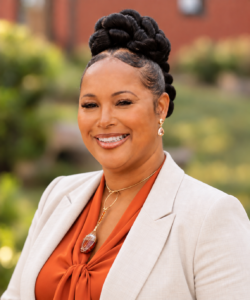


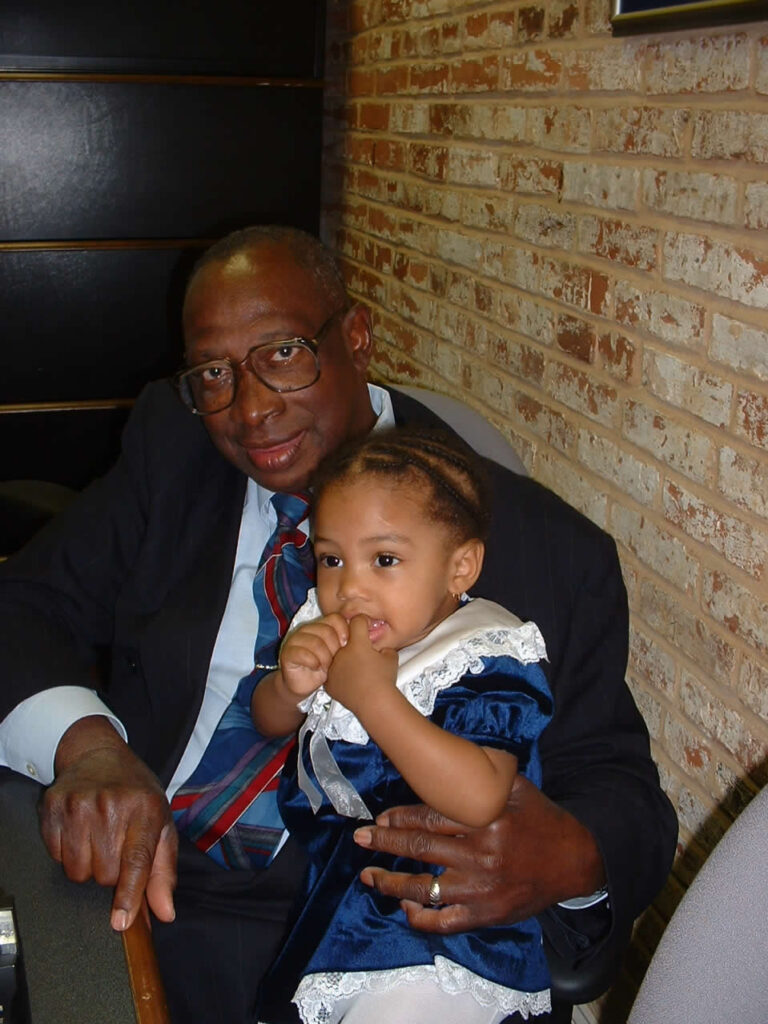
(BALTIMORE – June 21, 2026) – My father, Donald Edward Glover—known to everyone as “Doc Glover”—was a highly skilled mortician and funeral director. He owned Glover’s Funeral Chapel, first located at 1701–1703 Patterson Park Avenue. That was the first place I called home. Later, we moved to 712–714 East North Avenue, between Boone and Homewood, where I lived until about 1974, before returning to my mother’s home at 1526 Moreland Avenue in West Baltimore.
Doc Glover was a tough man, but he loved his family deeply. He went to church every Sunday—not what some would call a “holy roller,” but a principled man who stood on business. He believed a man’s word was his bond. He believed in fairness: if someone paid you ten dollars an hour, you gave them ten dollars’ worth of work; if they paid a hundred, you gave a hundred.

When I was seven years old, I asked him a question I’ve never forgotten. We were standing in the alley behind the funeral home on North Avenue. I said, “Daddy, do you hate white people?” He told me, “I don’t hate anybody. I hate what some people do, but I don’t hate anybody.” Now, more than fifty years later, I understand the weight of that answer. If he had said otherwise, it could have shaped me in a very different—and damaging—way. Hate is poison, and when you carry it, it gets on you. I thank God my father was grounded, principled, and guided by something higher.
He believed in education and made learning fun. I remember in seventh grade at Lemmel, we made a deal: if I made the honor roll, I’d get a CB radio. I made it—and I got that CB. He also taught me entrepreneurship early, putting me on one of the largest Afro newspaper routes in West Baltimore. I sold papers from Moreland Avenue to Edmondson and Warwick, then re-upped and went down Calhoun and Lafayette, even selling on buses at Penn North back when you could hop on and ride a few stops. That was real training.
And he stayed on me, even when I left home. My first semester at Morehouse, I forgot his birthday—September 20. That man called me up and read me the riot act. I tried to explain where I was, what I had going on. He cut me off: “I don’t care where you are. Don’t you ever forget my birthday.” That was Doc Glover—family first, no excuses, no lapses in respect.

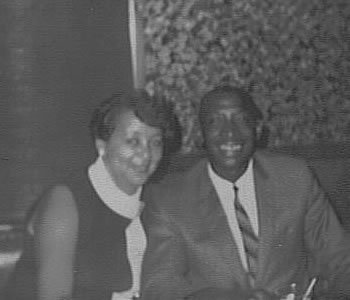
My upbringing was well-rounded. I spent time at the Druid Hill YMCA, went to Camp Oswego, and camped at Patapsco State Park. I was in the Boy Scouts. My father always said travel was the best education, and because of him, I saw Canada, Florida, and New York City at a young age. My mother took me to Brooklyn. My parents made sure I had exposure, opportunity, and perspective.
This Father’s Day, I reflect with gratitude. I had a father present in my life every day, and I know many who didn’t. Friends like Irvin Nore, Gerald Quarles, and Joey Brown—we often talk about how fortunate we were to grow up under strong fathers. Men like Mr. Joseph Brown Sr. and Mr. Vernon Bailey—funeral directors, businessmen, community pillars—helped sustain Black Baltimore. They created jobs, supported families, and anchored the community.
People talk about Tulsa’s Black Wall Street, and rightfully so. But I can say with pride that I was raised in Baltimore’s version of Black Wall Street—and my father was part of that legacy.
He also knew how to have fun. I remember one time at the zoo, near the pygmy hippo exhibit, he pretended to disappear just to see my reaction. I panicked—and then he popped back up, laughing. That was him. He used to say, “We may not have a lot of money, but we sure do have a lot of fun.” At the same time, he reminded me, “I was raised too well to be poor,” meaning we came from a family that works. Everybody worked—no exceptions.
He encouraged reading and would give me Rudyard Kipling’s poem “If—” in birthday cards. One line stayed with him—and with me: being able to “walk with kings and not lose the common touch.” Another line I carry is about pushing your heart, nerve, and sinew to serve your turn long after they’re gone. Those words meant something in our household, even as we understood the contradictions of the man who wrote them.
My father celebrated achievement. I saw him give young people $100 when they graduated from college—his way of reinforcing that education mattered. He was doing that long before I was born, according to my older siblings.
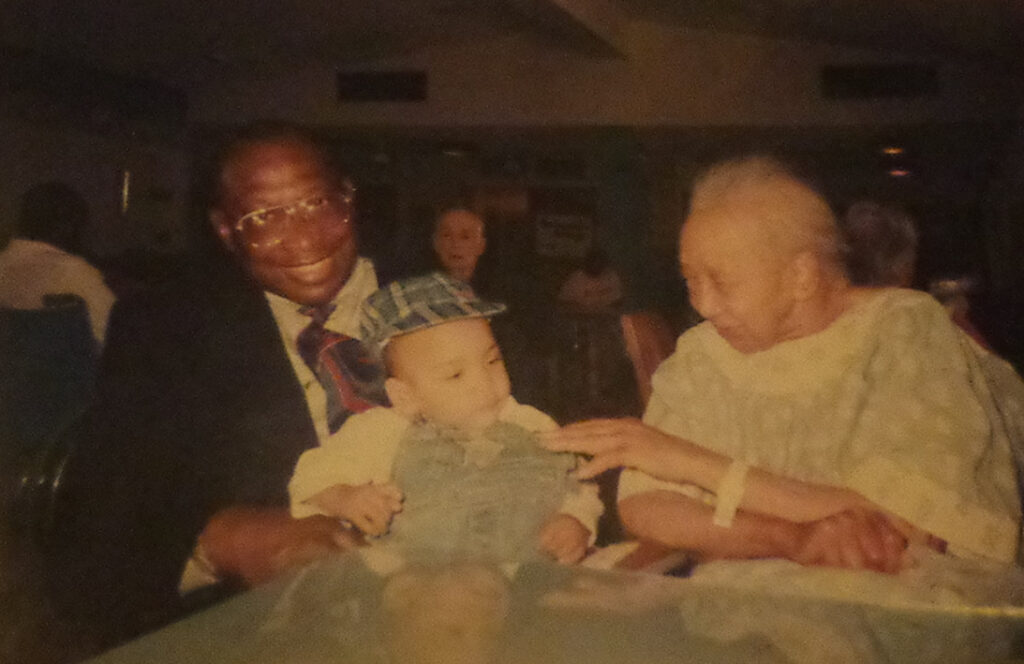
So today, I say thank you. Thank you, Dad, for the principles, the lessons, the discipline, and the love. May God rest your soul, and I hope you’re proud of the work I’m doing. I know you’re watching over me. By the way, you got your 4th great grand on May the 20th and “Overcoat” still misses you! 🙂