


(BALTIMORE – August 17, 2026) — Baltimore City’s June 23rd primary election is over; the ballots have been counted, and there is a clear winner… VOTER SUPPRESSION.

Only 18.9 percent of eligible Baltimore City voters showed up. That’s not a typo, and it’s not a fluke. I know this to be true because after working early voting polls from 7 am to 8 pm for a week, I can attest that the average voter was over 45 years old. I did not see many young voters or voters my age.
That means a lot of people either voted by mail or did not vote at all! This is the lowest turnout this city has produced in almost 20 years. You have to go back to the 2010 midterm cycle to find a primary this quiet. Statewide, Maryland’s turnout was 24 percent. In Baltimore County, it was 27 percent.
Cecil County was the only jurisdiction in Maryland that did worse than we did. Let that sink in: on a night when the residents of Baltimore City had the chance to fight back against our current leadership in the White House, decide who runs our schools, our courts, our neighborhoods’ safety, and our tax dollars, 4 out of every 5 eligible voters didn’t cast a ballot.
This isn’t new. Other than a few primary election cycles when a hotly contested state’s attorney race pulled people to the polls, turnout among eligible Baltimore City voters has fallen nearly every single election since 2000. We didn’t stumble into this. We were walked into it, one low-turnout election at a time, by a system that has quietly convinced people their vote in a primary doesn’t matter.
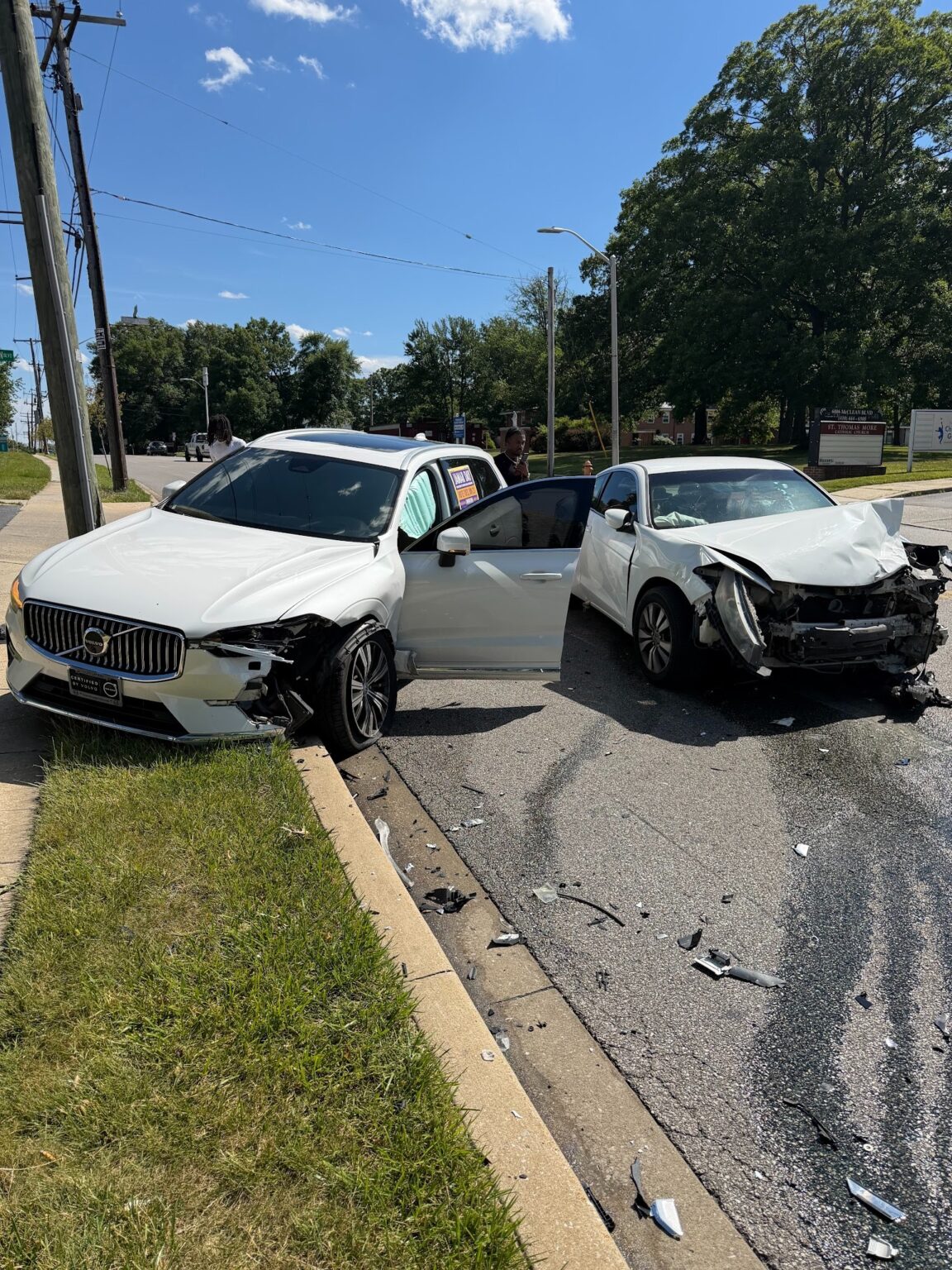
On Saturday, June 20th, during the heat of my campaign, and three days before the primary, I was involved in a horrible car accident on McClean Blvd. A young driver in a Honda coupe, with Virginia temporary tags and no insurance, caused me to total my car. That’s a whole other story in itself, LOL. While I am safe and healed today, that was not the case at the scene. I was in excruciating pain and had a bruise the size of a cantaloupe on my left leg. When responding firefighters arrived, I was glad to see them, but that soon would turn into anger.
Still in full campaign mode, with signs taped to the windows of my damaged vehicle and literature strewn everywhere inside, I used the opportunity to possibly earn a vote. While talking to the Black male first responders from BPD about my campaign, the first thing one of them said was, “I don’t vote. That s*** don’t change nothing in Baltimore.”
Taken aback, I tried to explain how politics affect everyday life, including his employment and benefits. He was not moved and doubled down on his argument that voting in Baltimore City is futile. He said, “They’re gonna do what they want anyway.”
I spent a few more sentences trying to sway him just to vote in the primary before his partner said, “You sound like one of those people who are trying to keep us from voting.” He was 100 percent right. Baltimoreans have been so suppressed, and certain neighborhoods have been so overlooked, that they feel all hope is gone, and either do not vote or just keep voting for the same people without cause or proof of improvements to their daily lives.
The part nobody wants to say out loud: in a city like ours, the primary is the election! Baltimore is not a swing city. We are not deciding between two parties with a real shot in November. The outcome of nearly every race that touches your daily life — who represents you in Annapolis, who’s in charge of the courthouse — is essentially decided in June’s primary, months before most people start paying attention.
The general election in November is a formality dressed up as a choice. As a candidate for the Baltimore City Board of School Commissioners, I know my race will definitely heat up, as this non-partisan seat went from seven candidates to four after the primary, and only two will go on to join the Board.
Low turnout doesn’t happen by accident in a city like Baltimore. It happens because generation after generation of voters have been fed the idea that the outcome is already decided, that the machine picks the winner before you ever walk into the booth, and that showing up won’t change anything, so you might as well save yourself the trip. That story serves somebody. It is almost never the person telling it to you.
I was born in this city. My grandparents bought a home in Northwood because Baltimore was supposed to be a place where a Black family could build something that lasted. My grandmother and aunts were educators, and I was also a Baltimore City educator. Teaching history and government in Baltimore City and DC public schools, I stood in front of teenagers year after year, trying to convince them that their voices counted in a system that, frankly, doesn’t always seem to want to hear from them.
I know exactly how deep the cynicism runs, and I know it is intentional. People don’t disengage from politics because they don’t care. They disengage because they’ve watched the same names, the same machines, and the same outcomes recycle themselves election after election, and they’ve made a reasonable, rational judgment that the status quo will win no matter what they do.
But here’s what an 18.9 percent turnout actually means, if you flip it around: the people who did vote in June didn’t decide this city’s direction. A small, predictable slice of Baltimore decided it for the rest of us. That is not democracy functioning as designed. That is voter suppression, kept alive by whoever already has the infrastructure, the name recognition, and the incentive to keep things exactly as they are. Low turnout isn’t neutral. It is the systematic result of campaigns that only target the same groups or communities they know will show up on election day.
I’m running for the Board of School Commissioners because I don’t think “nothing changing” is good enough for a school system that has closed buildings in our neighborhoods and left them vacant for decades, that has too often made decisions about our children without asking the people raising them, and that needs real accountability and real community voice — not just when we get a new Schools CEO, but in every decision about funding, staffing, and school closures. But none of that platform means anything if the people it’s supposed to serve don’t believe their vote is worth showing up for. It’s up to us as candidates and organizers to counter that argument and let them know that their no-vote may be louder than their actual vote.
So this article isn’t an appeal to vote for me. It’s an appeal to stop accepting the premise that your vote in a Baltimore City primary is worthless. It isn’t. It’s the whole ballgame. Every person who sat out this primary handed their piece of the decision to somebody else, and in a one-party city, that somebody else is usually the person or institution most comfortable with things staying exactly as they are.
Baltimore deserves better than a democracy that runs on a 1-in-5 turnout. We deserve a city where people show up in June because they understand that June is where the real decisions get made. That starts with candidates being honest about what’s broken and what it will actually take to fix it. It also starts with voters refusing to accept that their vote will not count.
That changes when we decide it does.
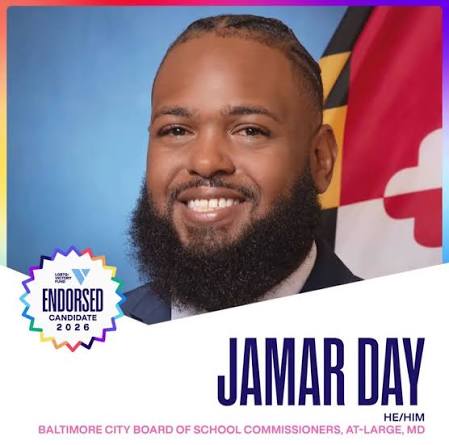
Jamar Day is a 3rd-generation Baltimore City resident and City Schools educator in his family, a former Baltimore City and DC public school teacher and dean of students, and a 2026 candidate for the Baltimore City Board of School Commissioners.