


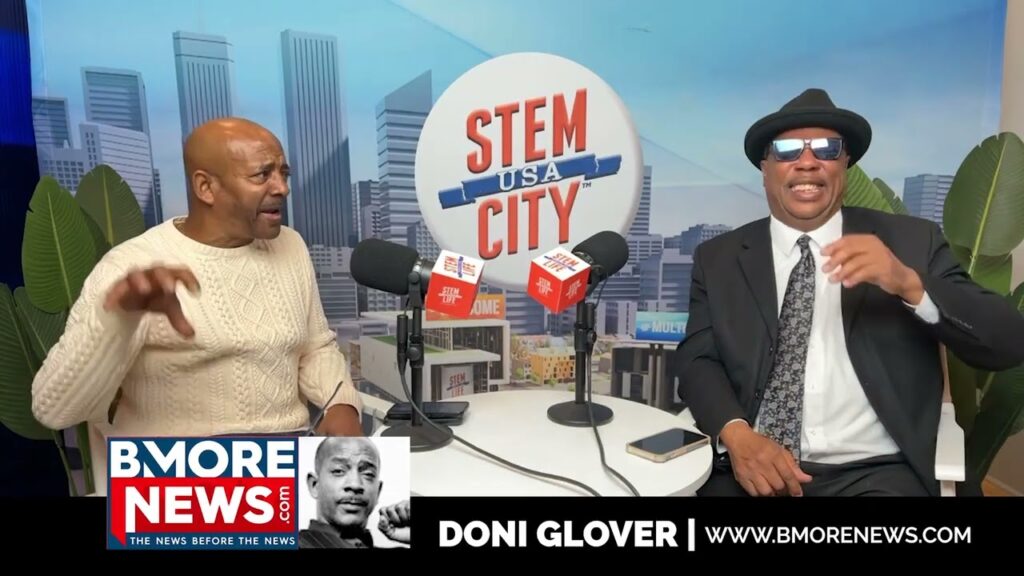
After years of studying stand-up, media strategy, and the grind behind the laughs, Doni Glover breaks down what separates real comedians from casual entertainers—and why discipline, systems, and business acumen matter just as much as being funny.
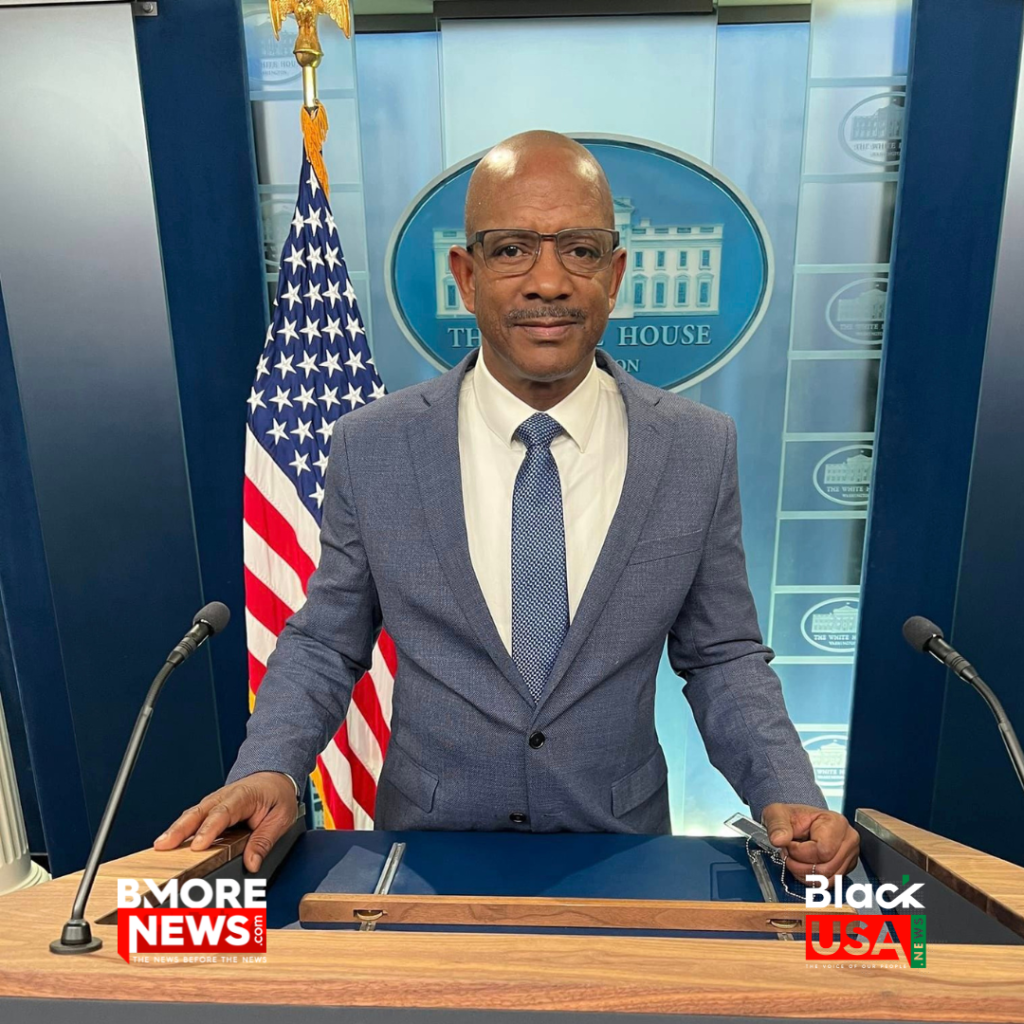
(BALTIMORE – April 1, 2026) — While I have my comedic moments on the podcast and TV show, I am not a comedian.
And that’s intentional.
I watch comedy regularly—not casually, but deliberately. I study timing, delivery, audience engagement, and how comedians build their brands across platforms. And the more I watch, the more I understand: this is not just entertainment—it’s a business.
Which is exactly why I refuse to call myself a comedian.
To me, a comedian is someone who has put in years studying and mastering the craft. I have far too much respect for the profession to casually claim that title. Doing so, in my view, is disrespectful.
Get on stage and try five minutes engaging a live crowd. I dare you.
Yes, there are naturals. But even they must understand the assignment. And the assignment—if you plan to last—isn’t just about making people laugh. It’s about understanding the business of comedy.
For over 20 years, Baltimore comic Rickey “The Real Deal” Shackleford has been a staple on my platforms. More than a guest, he’s a friend. And one thing we consistently discuss is the business—from soup to nuts. I share with him. He shares with me. Iron sharpens iron.
And yes—I was probably the proudest day of our friendship when Rickey finally gave up that flip phone and got an iPhone.
But that moment speaks to something bigger: adaptation. Because in today’s game, if you’re not evolving, you’re disappearing.
Today, Rickey is creating videos, showing up on social media, and expanding his reach. That’s the business.
Take Godfrey. He has mastered the art of short-form video with his “Leave Black People Alone” series. It’s funny—but more importantly, it’s intentional. He exposes the illogical thinking behind racism in a way that resonates and educates. That’s strategy. That’s understanding your audience. He has a cool 1.7 million followers on Facebook.
Then there’s Ryan Davis, currently touring city to city. That grind is no joke. The travel alone is demanding—physically and mentally. But that’s the business. And the audience reflects it—he has 2.7 million followers on Facebook. Industry estimates suggest his performance fee ranges between $7,500 and $15,000.
And here’s the part people miss: the stage is only half the job. The other half is building a machine that keeps your name moving even when you’re off stage. That’s where Ryan stands out. His digital presence reflects a system—and that’s why the views come.
At the top of the financial mountain sits Kevin Hart. The Philadelphia native is worth an estimated $450 million. That doesn’t happen without mastering both the stage and the boardroom. And the key? He’s still funny. That’s rare.
On the other side of the spectrum is Katt Williams—the “Undisputed Champ of Underground Comedy.” Katt understands the business, but he also understands freedom. His voice, unfiltered and unapologetic, serves a purpose. In many ways, that freedom is just as valuable as financial success.
And then there’s Dyon “Mojo” Brooks. One of the best I’ve seen at engaging a live audience. His social media presence is tight—clean clips, consistent content, strong team execution. If you want to study someone operating at a high level, study Mojo. Mr. “I know you f*n lying!” has built a following of 3.2 million on Facebook and 8.4 million across platforms.
The common thread? Discipline. Strategy. Consistency. Love for the craft.
Comedy is not a hobby—it’s a business.
And anybody not willing to put in that level of work might as well pack it up.
Because the more I watch… the more I respect it.
And the more I respect it… the clearer it becomes:
This is a profession earned—not claimed.