


(BALTIMORE – February 19, 2026) – Baltimore is a basketball town. From neighborhood courts to college hardwood, this city understands the rhythm of the game. So when the Central Intercollegiate Athletic Association returns for the 2026 Food Lion CIAA Men’s and Women’s Basketball Tournament, February 24 through March 1 at CFG Bank Arena, it’s more than a sporting event.
It’s strategy.
It’s circulation of capital.
It’s culture meeting commerce — and winning.
A $100 Million Partnership
Since the tournament officially relocated to Baltimore in 2021 — with games beginning in 2022, the CIAA Tournament has generated more than $100 million in cumulative economic impact for the city.
In 2025 alone:
-
$27.4 million in total economic impact
-
$19.8 million in direct spending
-
$2.4 million in state and local tax revenue
-
1,487 jobs supported
That is not incidental revenue. That is institutional infrastructure.
Each year, approximately 100,000 alumni, students, and fans travel to Baltimore to celebrate HBCU culture. Hotels fill. Restaurants surge. Retail sees a spike during what is traditionally a slow winter period. And in June 2025, officials confirmed the tournament will remain in Baltimore through 2029.
This is no short-term experiment. This is a long-term civic alignment.
Built for Black Business
You know where I stand on this.
For over two decades, through BMORENews and the Joe Manns Black Wall Street Awards, we’ve championed economic ecosystems that uplift Black entrepreneurs. The CIAA Tournament doesn’t just generate revenue — it directs opportunity.
In 2024:
-
118 minority-owned businesses directly participated
-
Over $1.4 million in direct economic benefit flowed to those businesses
-
Spectators spent millions across food, lodging, and retail sectors
The Baltimore Sports Tourism Development Council has intentionally ensured that minority-owned businesses are part of the economic equation.
And in 2026, that footprint expands:
-
CIAA Fan Fest Vendor Village at the Baltimore Convention Center
-
Power Plant Live vendor activations
-
A citywide Black-Owned Restaurant Tour
-
The CIAA Money Moves Financial Summit
-
The CIAA Tech Summit
This isn’t accidental. It’s economic architecture.
Scholarships and Generational Return
The impact doesn’t stop at spending.
In 2024, the City of Baltimore, the State of Maryland, and Visit Baltimore collectively contributed $1.5 million to the CIAA General Scholarship Fund supporting students at 13 HBCUs.
That is reinvestment.
That is sustainability.
That is what legacy looks like when it is properly stewarded.

Baltimore and the CIAA: A Natural Fit

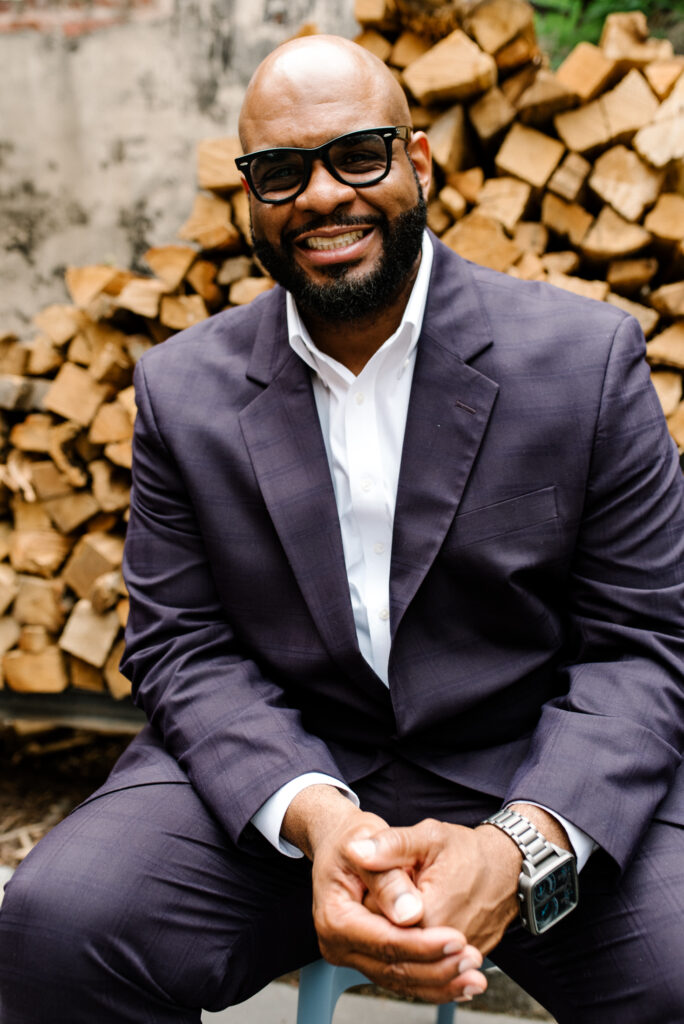
For Kireem Swinton, who helps guide Baltimore’s tourism and sports development strategy, the alignment is obvious.
Before the tournament arrived in Baltimore in 2022, Charlotte hosted it for 15 years. But Swinton believes the conference’s mission aligns deeply with Baltimore’s identity.
“We truly feel like Baltimore aligns with what CIAA is all about — Black excellence and the achievement of these HBCUs,” he said.
For Swinton, the most powerful aspect isn’t just economic data. It’s visibility.
Growing up in Baltimore, he says there was never a moment where young people could simultaneously see Black executives, Black entrepreneurs, Black athletes, and Black institutions operating at scale in one space.
The CIAA Tournament creates that moment.
Part family reunion.
Part economic summit.
Part inspiration engine.
And as Swinton notes, Baltimore needs the CIAA just as much as the CIAA needs Baltimore.
Five years in — with a commitment through 2029 — the partnership feels foundational.
Leadership That Delivers
Behind the CIAA’s growth and stability is Commissioner Jacqie McWilliams Parker.

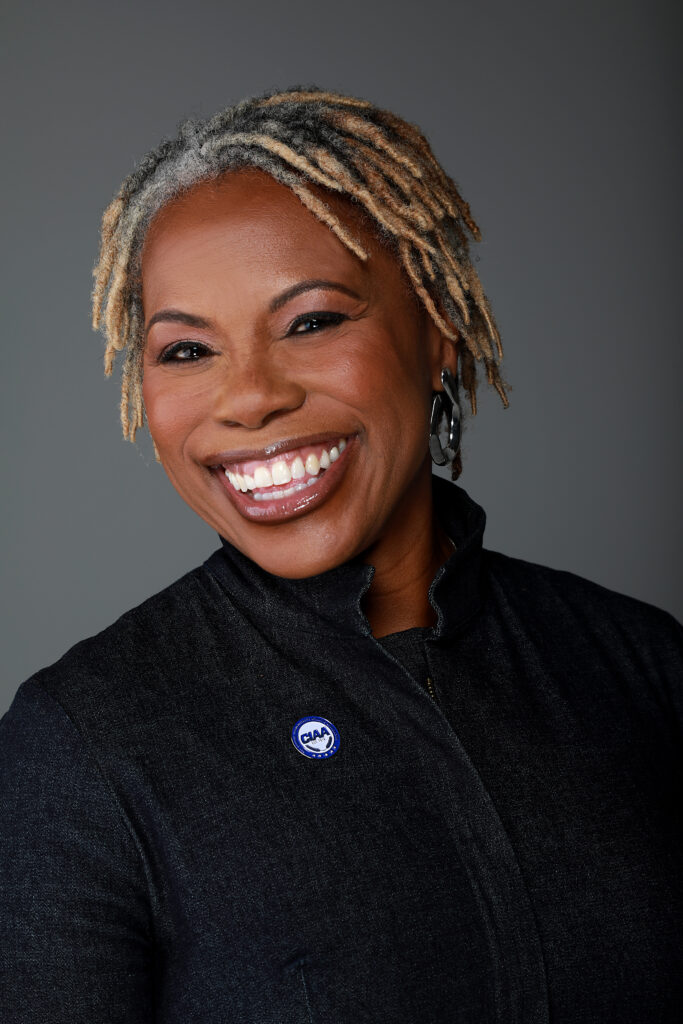
Central Intercollegiate Athletic Association (CIAA®)
Few leaders combine warmth, precision, and decisive execution the way she does.
Professional. Direct. Steady.
Under her leadership, the CIAA has strengthened its economic partnerships, expanded women’s basketball visibility, and built durable host-city relationships. The Baltimore–CIAA partnership is intentional, strategic, and mutually beneficial.
It reflects resilience, leadership, culture, and community — values the conference consistently reinforces.
And it works.